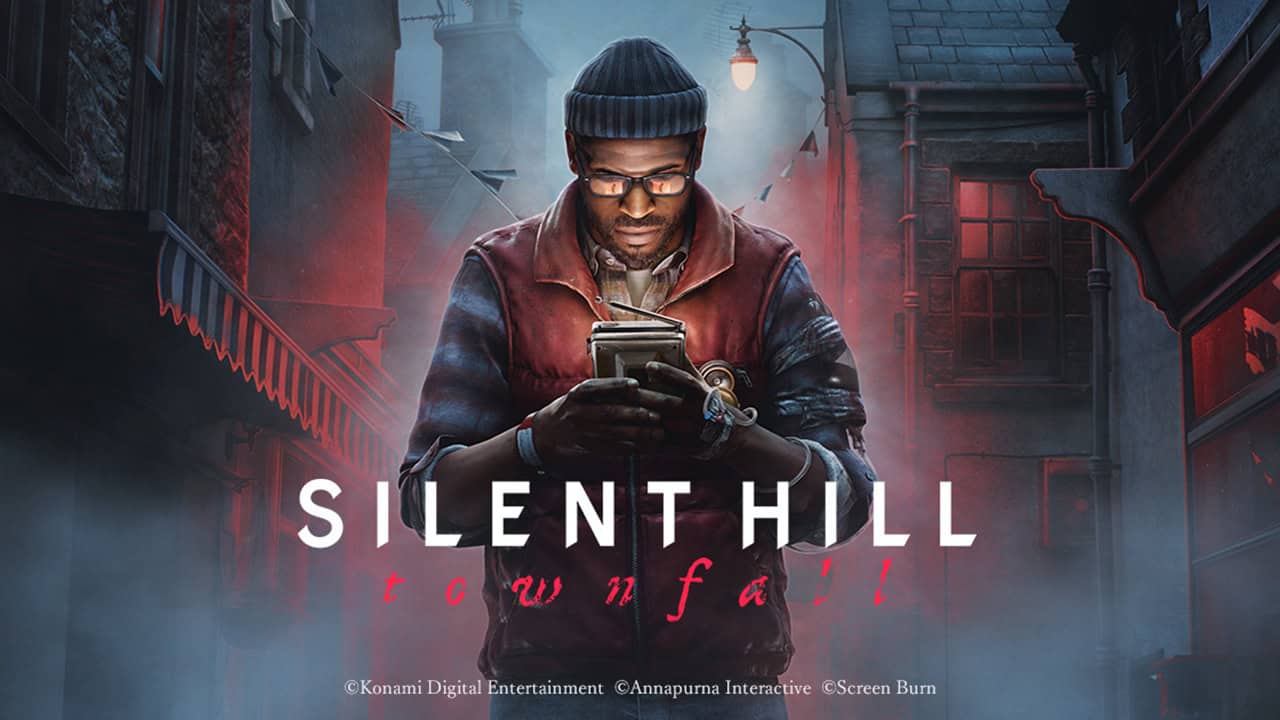
Last year, the Silent Hill franchise was taken in a new direction with Silent Hill f. Diverting from the titular American tourist town, Silent Hill f focused more on melee action combat than the traditional survival horror experience the series is known for, set in a rural Japanese village and following a teenage girl as she is forced to give up her freedom in an arranged marriage. Even the Otherworld looked different, swapping out the industrial apocalyptic look for a nightmarish shrine.
Silent Hill: Townfall continues this trend, set in a fictional Scottish fishing village called St. Amelia in 1996. Once again, the traditional survival horror look of Silent Hill is swapped out for a more modern first-person experience, reminiscent of Alien: Isolation with its focus on stealth over combat, with even a motion tracker to boot.
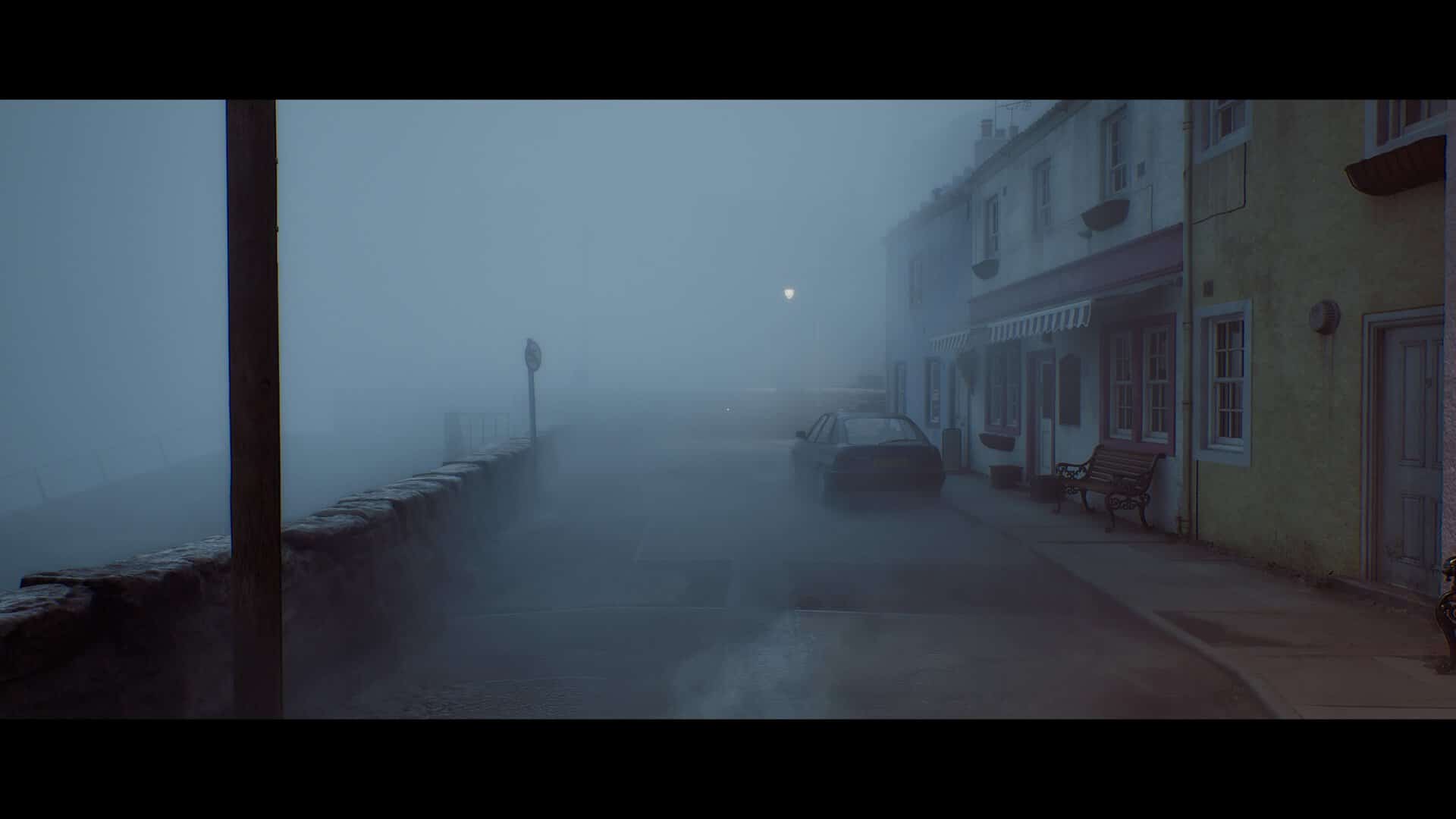
We play as Simon, an American who washes up on the shores of St. Amelia with no recollection of why he is there. As we explore the desolate seaside town, we discover that a tragic event has occurred here, and now the town is abandoned and filled with monsters. While exploring, Simon picks up a CRTV, which will act as our motion sensor, but also assists the story as it can tune into frequencies that show specific characters or various NPCs that used to live in the town — drip-feeding tiny details over what occurred in the town and where Simon needs to go next. Two of the main people featured on these frequencies are Zoe and Richard. Zoe is an English nurse who works in the town, and the first frequency you receive from her is her call for Simon to return to her — so that’s our first lead. Meanwhile, Richard, another American, seems to know Simon professionally and urges him to finish something they’ve started — but Simon can’t remember what that is.
Developed by Screen Burn, a Scottish developer, Townfall features so many fun details that made this town immediately recognisable as being in the UK when I watched its first trailer reveal. From the newsagents, which was the first giveaway to me in the trailer, to even the Guide Dogs collection box, it was great to see the UK being represented in a game outside of London. There’s even a section where we need to top up an electric metre to get the power back on in a house.
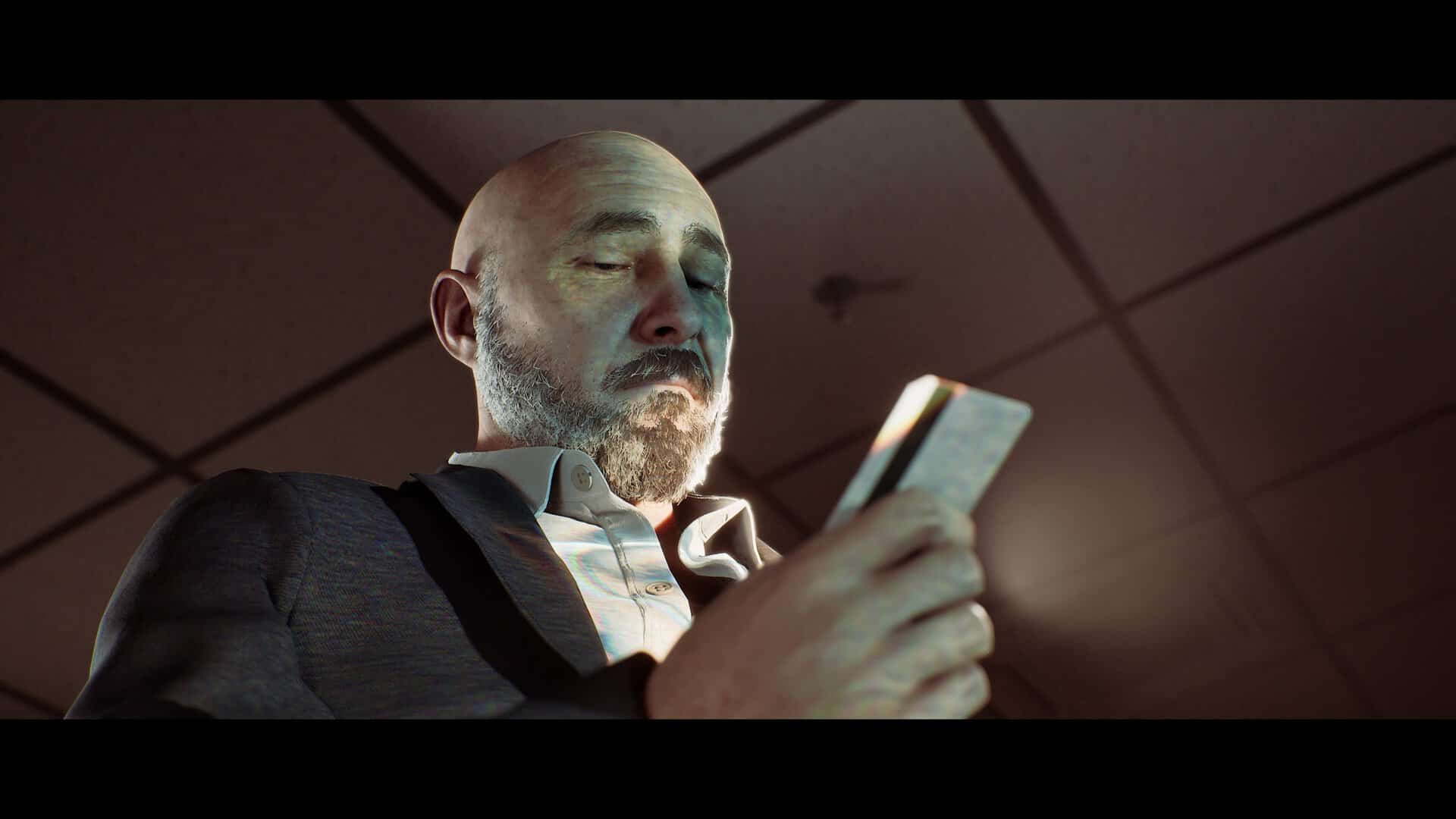
Unfortunately, there’s a reason why I said “UK” quite a few times there and not specifically Scotland. It wasn’t until around five hours into my playthrough that I heard the first Scottish accent in the game. If it wasn’t for the fact that we have been literally told St. Amelia is in Scotland, I could have easily assumed this location was in England or Wales until over halfway through the game, where a lot of the CRTV frequencies do have Scottish voice actors. While it’s understandable that Simon and Richard are not Scottish, as it ties into the game’s core story subject of gentrification, there is no reason why Zoe couldn’t be Scottish since she lives and works in the town, and is also another victim of the event that has happened there. It confuses me greatly that Screen Burn has gone to the lengths of even having a paper prescription bag look identical to the actual NHS ones, but then the game completely takes you out of that immersion by not having Scottish people actually represented in the main cast. It’s even sadder that this has occurred when you can compare Townfall to the recently released Still Wakes the Deep, another horror game set in Scotland, which so perfectly captures Scottish accents and dialect.
The story itself is kept very vague until close to the end. While this wouldn’t usually be a problem if a lot of detail is kept in the environment, I just felt like this wasn’t the case with Townfall. There are some notes, emails, and voicemails that you can pick up to give tidbits on what’s going on, but I found these to be very minimal. But what was frustrating the most was that the progression of the story relied heavily on the other two main characters not being clear to Simon about what’s going on for no good reason — a writing trope that I cannot stand. Zoe will constantly tell you that she doesn’t know what’s going on, or she can’t tell Simon what’s happened. She is seemingly aware that Simon has amnesia and also, as we learn later, does actually have an idea of what’s going on. She’s completely reluctant to explain to him what happened in the town and why they’re seemingly in this purgatory, something she actually could have told him during their first encounter but doesn’t, for no reason other than not giving too much of the story away from the get-go.
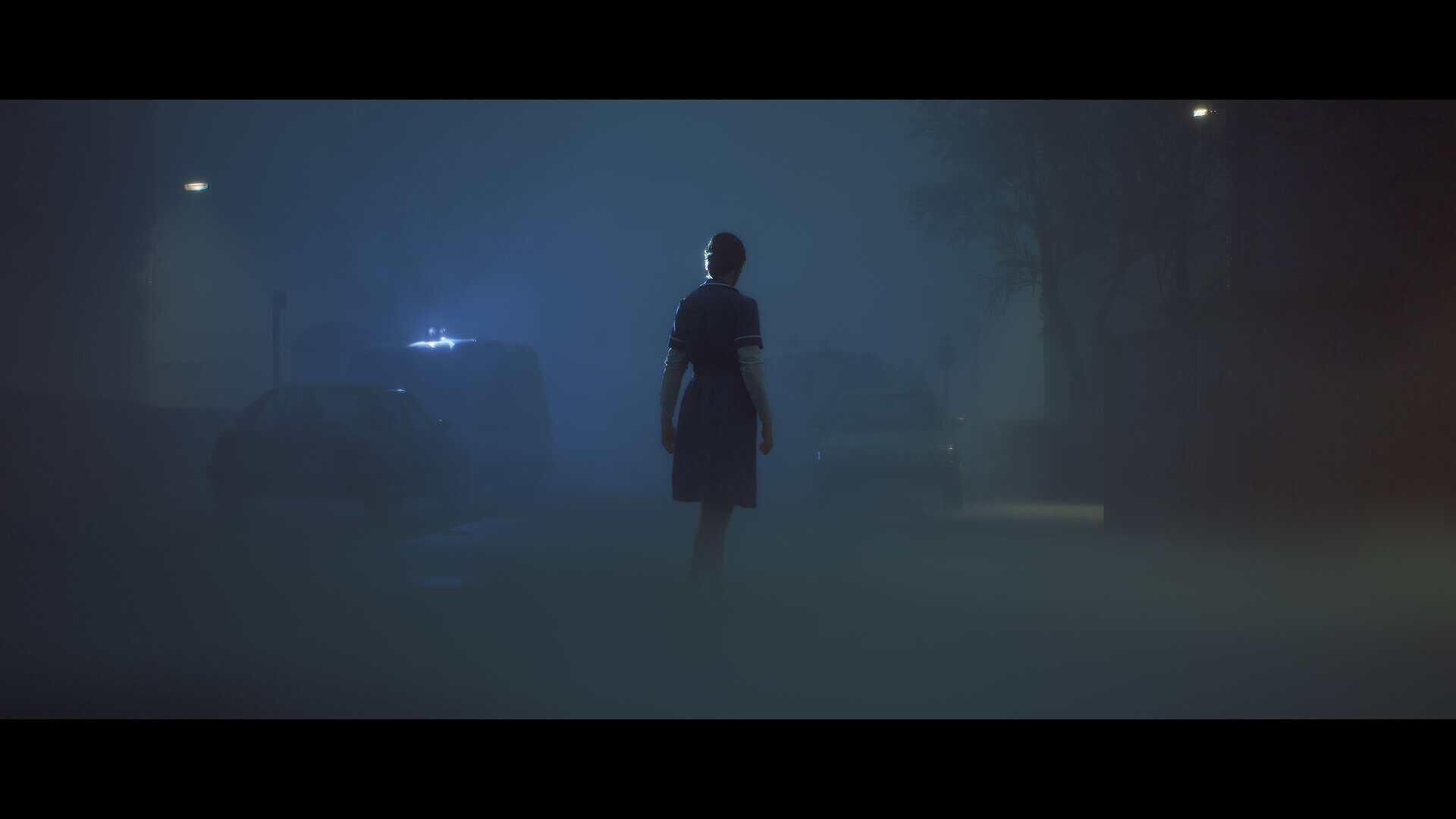
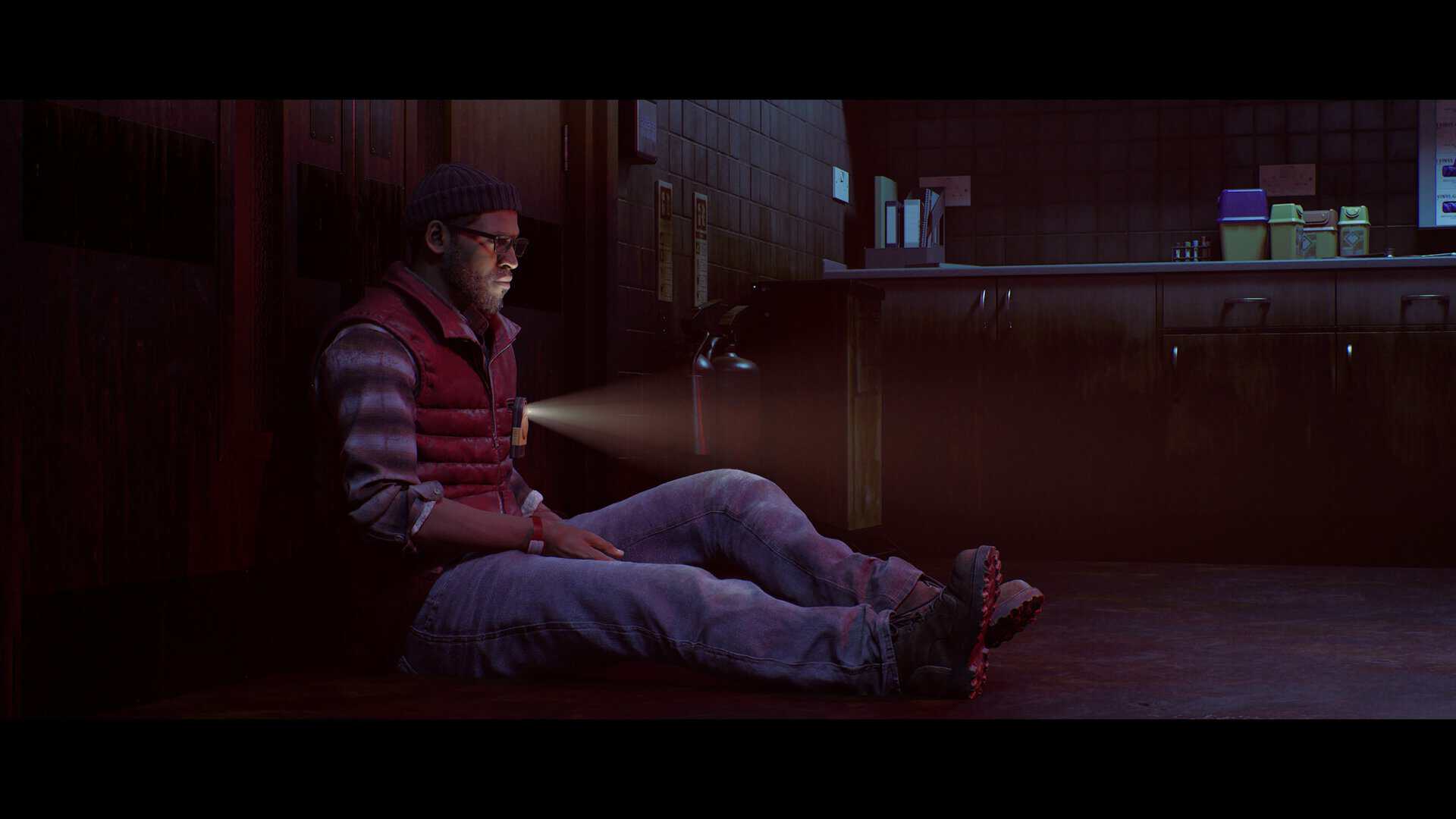
Having a trio main cast was an interesting decision that worked well for Townfall’s story’s reveal. It kept me guessing what part these people had in the event, and whether they had genuinely done something wrong or were feeling guilty for something they had unwillingly played a part in. Zoe and Richard’s segments were more interesting than Simon’s, and I also found them to be more compelling characters too. Unfortunately, Simon felt a bit dry in comparison, and his lack of reaction to literally anything going on didn’t help either. While Zoe and Richard seem accustomed to what has happened, this is all new to Simon, but his reaction to seeing these monsters and the information that was being revealed to him just wasn’t very… reactive.
The story does come neatly together towards the end, and the ending reveal did touch me somewhat. I was heartbroken for this town and its people, but didn’t feel so much for our trio regardless of their role in the disaster. Similar to previous games in the series, there are three different endings depending on how you’ve played the game.
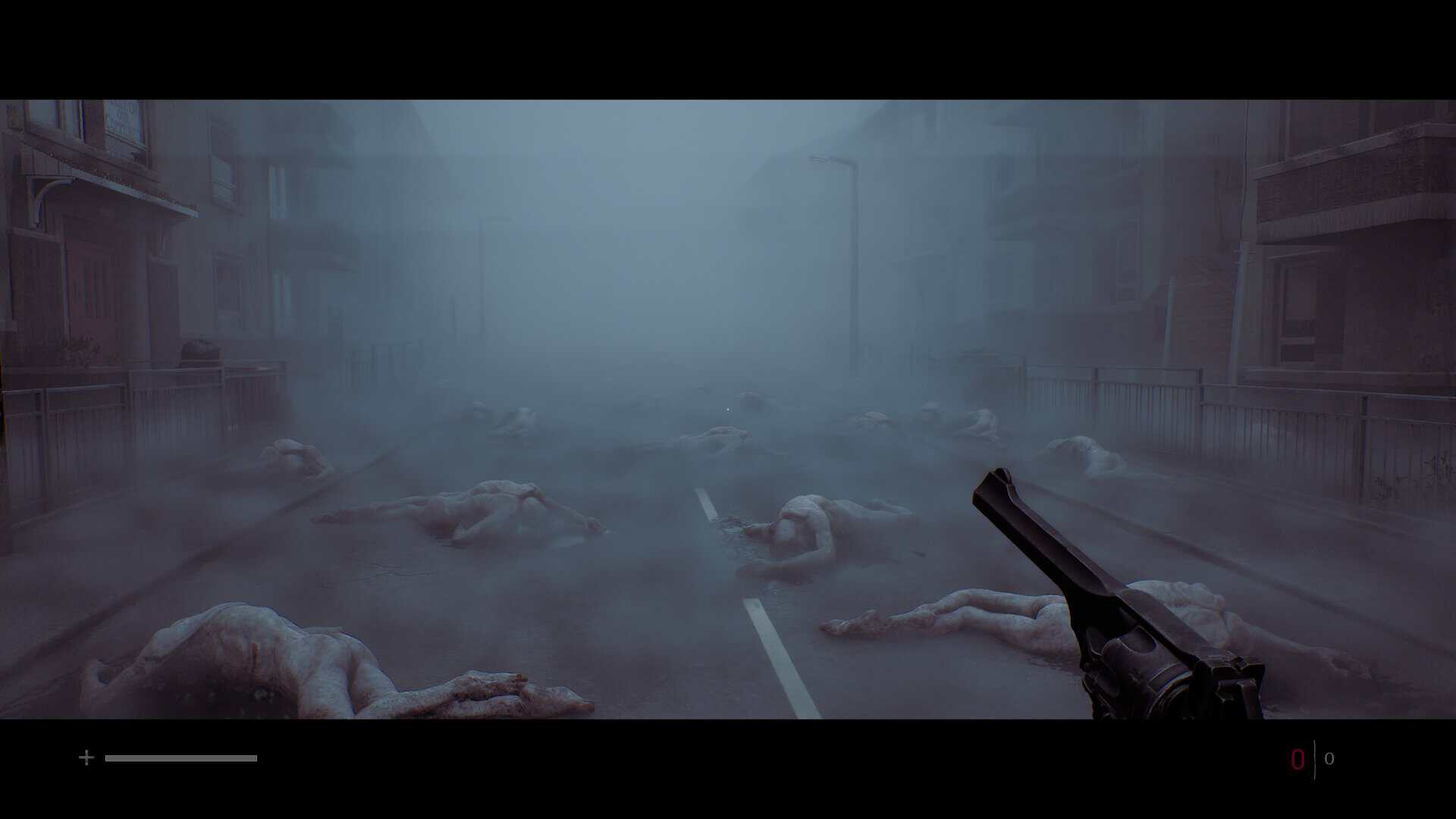
As mentioned previously, Townfall has a stronger focus on stealth. You don’t pick up a gun for a while, so you have to rely on melee combat. Whatever weapon you pick up will degrade over time, so your best bet is to sneak past enemies and save your weapon for when you really need it. You can lock doors behind you, which was a very nice addition, which I’ve not seen in previous horror games. It gave me peace of mind when exploring the inside of a building, because enemies will wander in if there’s no lock on the door. It also means if you’re running away from an enemy, you can lock doors behind you as you run to safety, which somehow made it more nerve-wracking as I hurriedly fumbled with the lock.
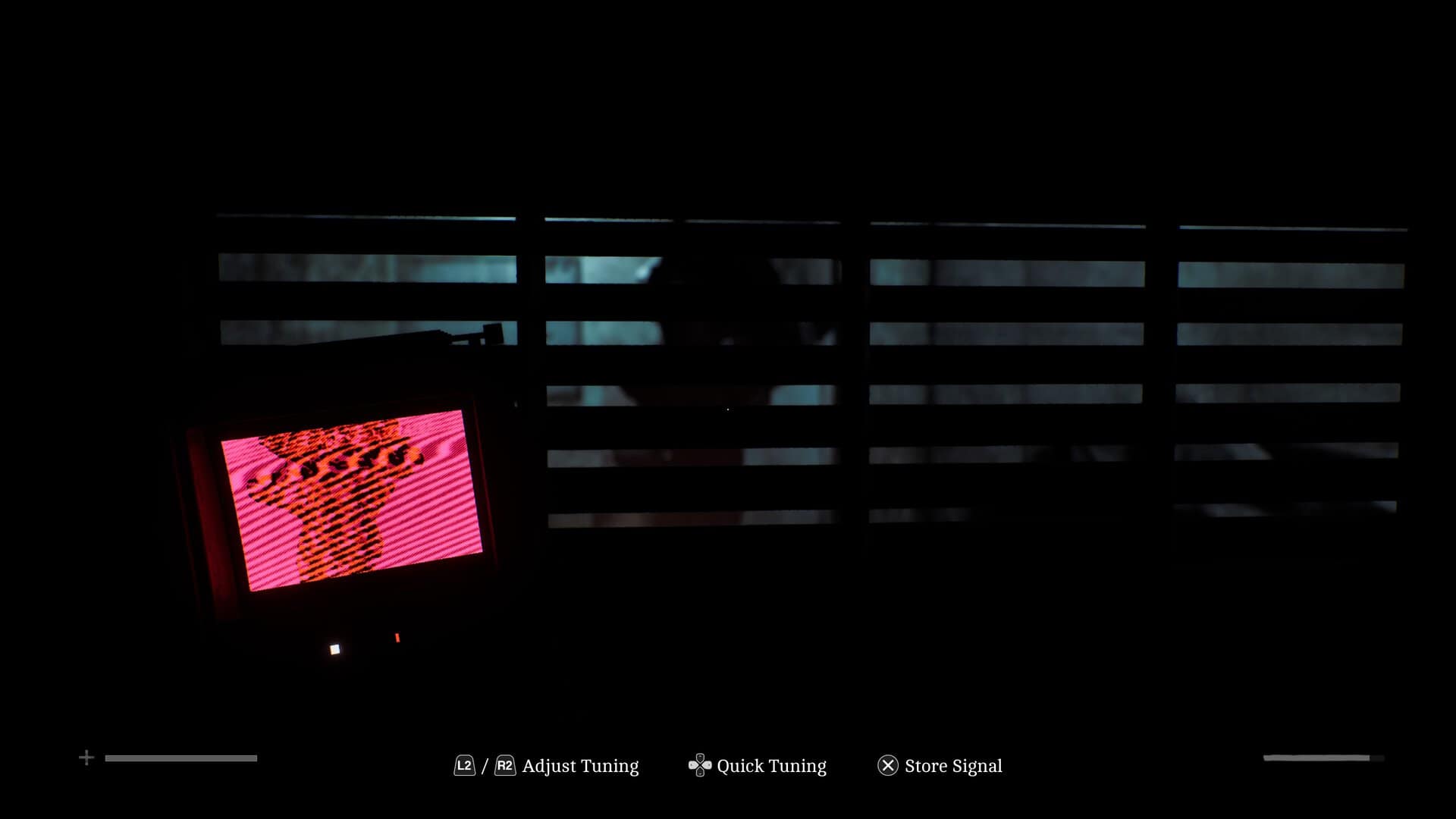
Stealth is assisted by the CRTV, which… honestly wasn’t much of a help. Unlike the motion sensor in Alien: Isolation, the CRTV will simply highlight enemies’ silhouettes through the walls. How big they are shown on the CRTV will give you an idea of how close they are, but they could be within the same building or outside — it’s quite hard to tell, actually. I only ended up using it on a few occasions to determine what direction an enemy I was avoiding was at least facing in so that I could sneak by if they were on the same street or corridor as me. Other than that, I just did stealth the old-fashioned way, with my eyes and ears.
A lot of the enemies are well designed, especially the Sorrowful. This is an enemy type that looks like a hospital patient, covered in scars, with a heart surgery wound on their chest and IV lines hanging out of it, which they use to whip you from a distance. The most disturbing thing about them is the choking noise they make, as though their breathing is being assisted by machinery. But this also makes them easy to detect and find cover when you do so.
There’s one recurring boss enemy type called The Weight, which has designated stealth sections until right at the end when it becomes a real boss fight. Initially, The Weight would kill you instantly if it caught you during these stealth sections, but this has since been patched so it instead catches you in a quick time event, and will just deal some damage if you pass it. If you fail, then it’s still instant death. I wouldn’t usually applaud this level of toning down difficulty in a game, but these stealth sections were incredibly boring. The enemy AI isn’t very good, and I found The Weight’s visual design to be really uninspired, but the biggest problem I had with these sections is how aesthetically dull they are.
Like Silent Hill f, Townfall makes a change to the Otherworld design. This time, the Otherworld is shown as a labyrinth of concrete corridors and thick pipes. It’s dark, with the majority of the lighting being red. While this does link somewhat to the story, it’s also very dull to work our way through, with very little variation to this environment besides one instance where some of the rooms represent an infirmary to show the aftermath of the incident. While Townfall has other faults, I think its biggest one is how boring these sections are. Because if there’s one thing a horror game should never be, it’s boring.
While I was initially excited to play a Silent Hill game not only set in the UK, but with gameplay inspired by one of my favourite horror games of all time, Alien Isolation, I ultimately came away very disappointed with Silent Hill: Townfall. While similar to Silent Hill f, I appreciate that Townfall brings its own unique visual identity to the series; its Otherworld sections quickly became a slog. The Otherworld should be an intense, nightmarish experience that forces the protagonist to confront their deepest, darkest demons, while the Fog World should offer a brief respite in comparison. Unfortunately, I never felt that contrast here, and the dull level and visual design made these sections easily my least favourite parts of the game. The story does hit some high notes towards the end, but too much is held back for far too long, resulting in a poorly paced narrative that struggled to hold my interest throughout the middle act. The three-POV approach to the storytelling was an interesting way to explore different perspectives on the same story, but it also highlighted how Simon, the lead, was by far the weakest of the trio.
Jess reviewed Silent Hill: Townfall on PlayStation 5 with her own bought copy. This review is based on the version of the game available at the time of writing, and our score will not be changed.
- Score
- 6/10 DECENT - GAMEOBSERVER CAUTIOUSLY RECOMMENDS
- Summary
-
Jess says: While Silent Hill: Townfall brings it own unique visual identity to the series, its Otherworld sections quickly became a slog with their dull level and visual design. The story does hit some high notes towards the end, but overall the narrative is poorly paced and struggled to hold my interest throughout the middle act.
- More
- GameObserver's Review Policy

 ObserverCrew Picks
 bserver
 bserver