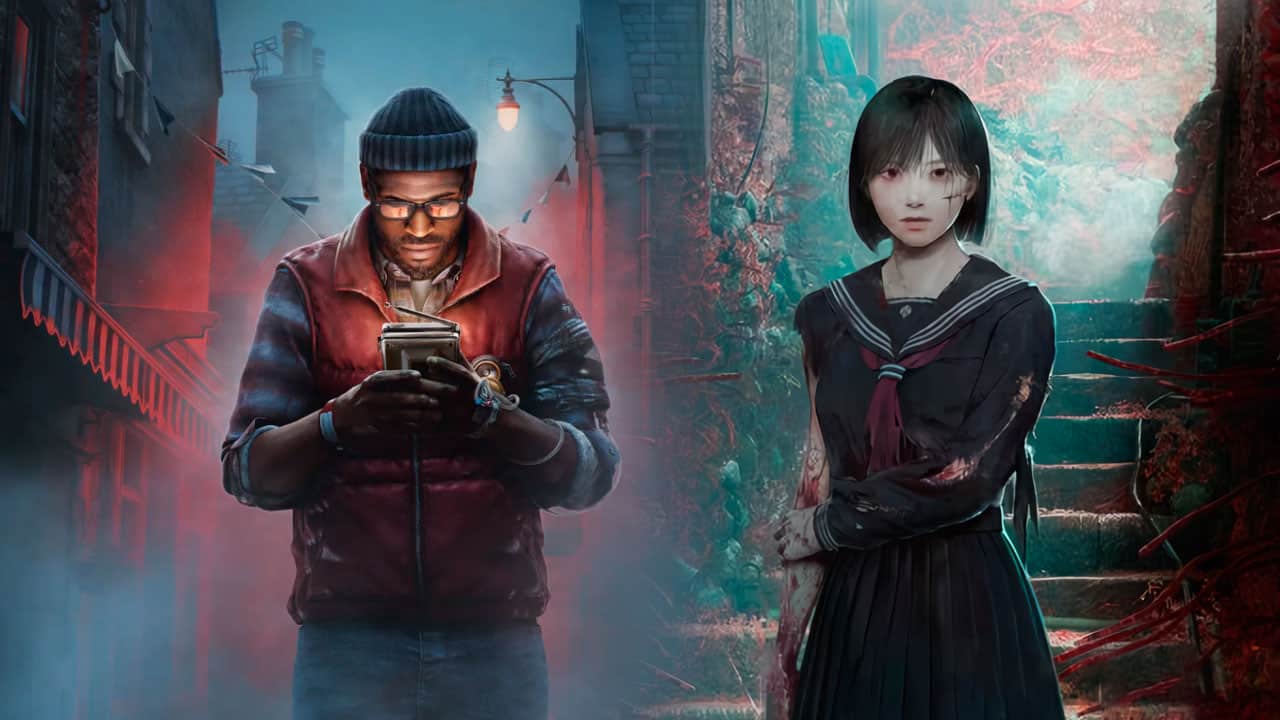
Fans might still be feeling the void left behind by Team Silent, but Konami isn’t trying to regroup the old band with new members. Instead, it has handed Silent Hill to a number of developers so far, like Bloober Team, NeoBards, and Screen Burn, each with their own take on the series. During an interview with Famitsu in Issue 1965, series producer Motoi Okamoto said giving each studio room to cook is important to Silent Hill‘s future.
Discussing Konami’s relatively recent relationship with Annapurna Interactive and Screen Burn, he explained that working together with various studios doesn’t cut everyone’s workload in half. “Our initial estimate was that, even without having to control everything, we could distribute the workload by collaborating while developing [Silent Hill: Townfall] alongside other titles,” explained Okamoto. “In reality, we were too naive, and the development time ended up being much longer than planned.”
He continued that Annapurna used to act as the middleman between two parties. But at the ‘climax’ of the development process, Konami eventually found the urgent need to communicate directly with Screen Burn. Still, that doesn’t mean Okamoto wanted to breathe down its neck and sand away the studio’s take on Silent Hill, especially when it only has ‘around 30 people’ and cannot simply produce a mass amount of content. He added that the Screen Burn team has an ‘extremely strong attention’ to detail, and at one point had to be told to stop working so they could ship the game. “As we were about to release the game, there was another version update, and we had to scold them, ‘Just how many patches are you planning to make?’ (laughs).”
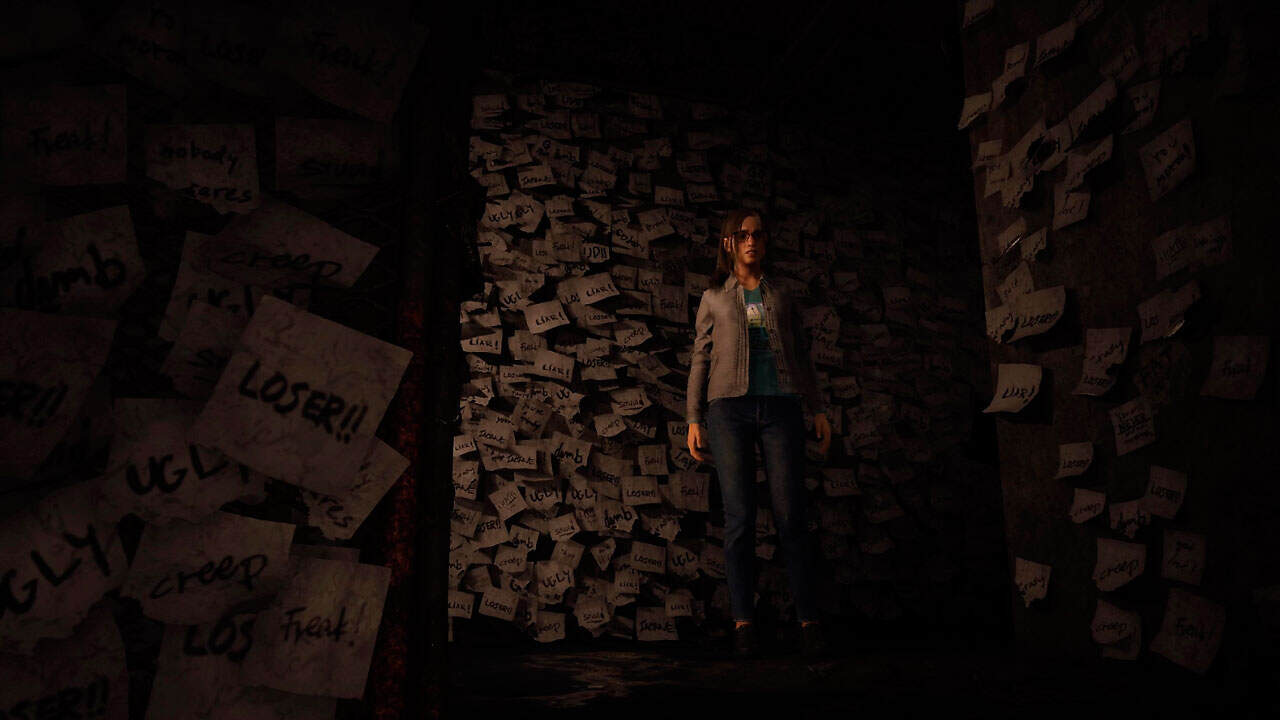
That obsessive attention to detail is also why Okamoto believes studios like Screen Burn need room to cook. “It’s not good for us to speak up too much or get too involved in every little thing. It’s crucial to allow the work to ‘mature’ within their team,” he stressed. “I think it’s not right to micromanage partners who come from different lands, ideas, and languages.”
He then argued that even communication itself can become counterproductive. When meetings occur too often, he thinks that discussions can become so frequent that ideas end up growing too rigid. “When that happens, we risk crushing or blurring the artistic identity and distinctive characteristic that the studio is supposed to bring out,” pointed out Okamoto.
There is one non-negotiable factor, however — the games have to be ‘psychological horror.’ Beyond that, though, Okamoto is pretty flexible on the genres and even how stressful each game should be. What matters more is that each team has its own idea of what it wants to do with the idea of Silent Hill. “You couldn’t bring out that kind of appeal with a team that simply waits for instructions from us,” Okamoto noted. And the Castlevania publisher isn’t done handing over the keys to the eerie, foggy town just yet. It plans to keep working with different developers, with Okamoto saying he wants to hear studios saying, “We want to make Silent Hill, too.”
Silent Hill: Townfall was released on September 24, 2026, for PS5 and PC via Steam, with favorable reviews from critics. Follow the latest gaming news and interviews on GameObserver.



 ObserverCrew Picks
 bserver
 bserver