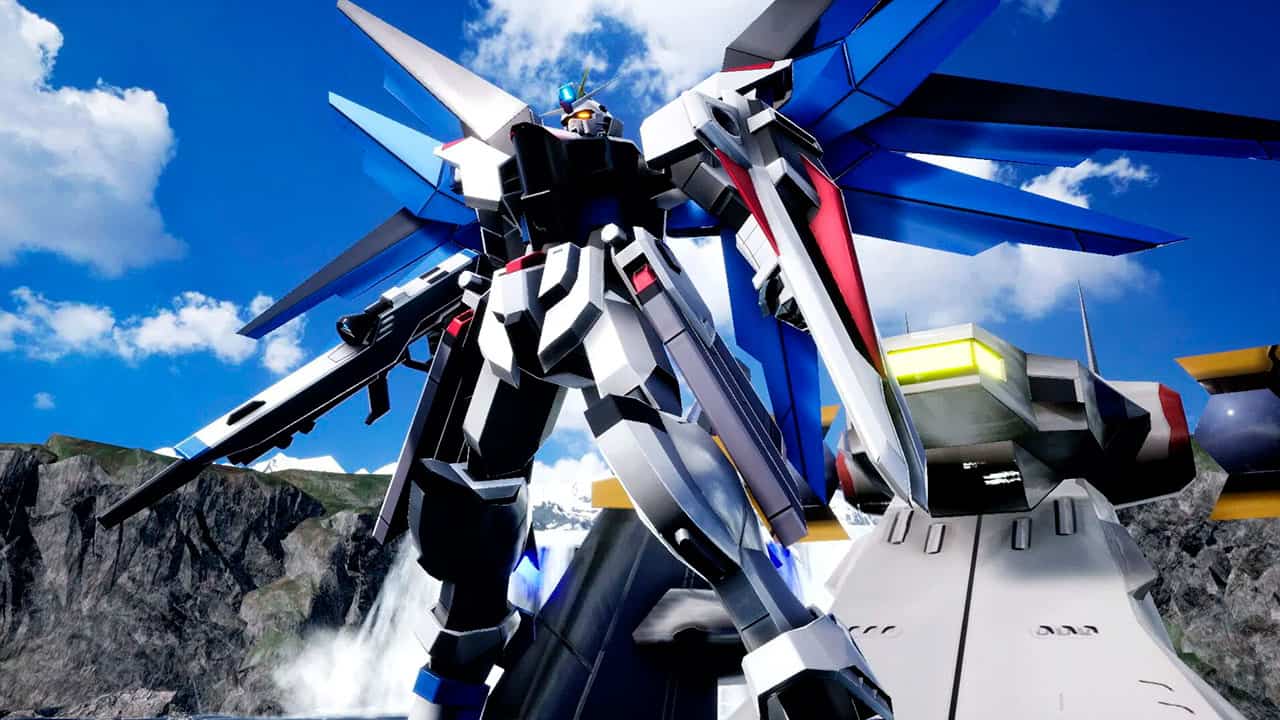
Today, anime and games have become somewhat inseparable; if the series is popular enough, then a game adaptation should follow suit. That’s especially true for something as big as Gundam, where Bandai Namco keeps pumping out new ones whether for its consoles, smartphones, or arcades. Nevertheless, according to Mobile Suit Gundam SEED and Gear Fighter Dendoh director Mitsuo Fukuda, games were considered an ‘enemy’ by anime creators during the early 2000s. Speaking in the Super Robot Wars 35th anniversary segment of Famitsu issue 1961, Fukuda recalled, “Whether it’s for Gear Fighter Dendoh or Mobile Suit Gundam SEED, the ‘potential enemy’ when we were making anime was actually games, you know.”
It sounds rather peculiar, considering these days anime and multimedia merchandising projects like game adaptations go hand in hand. Apparently, though, even decades ago, media creators have been dealing with what now we often call the attention economy. “What I mean is, children back then often fought over a single TV screen. Since the amount of time to occupy a TV is limited, if someone started playing a game, the others wouldn’t be able to watch anime. Because of that, the ones that became our rivals weren’t other shows, but game consoles (NES, SNES, and others),” explained Fukuda. “It’s an era when, unless we can push aside games, no one’s going to watch anime.”
Interestingly, rather than brushing it off or admitting defeat, he said this rivalry prompted anime directors to research the ‘fun’ and ‘tempo’ of video games. One of the ways they do that is by making sure the audience won’t get bored by offering varied background environments. “The locations that appear in games, they feel fresh because they change every time, right? We kept that in mind for Gundam SEED; we set up a wide variety of situations so they wouldn’t always fight in the same locations,” added Fukuda. “‘Ugh, this place again?’ If the audience thought of that, they won’t feel excited anymore.”
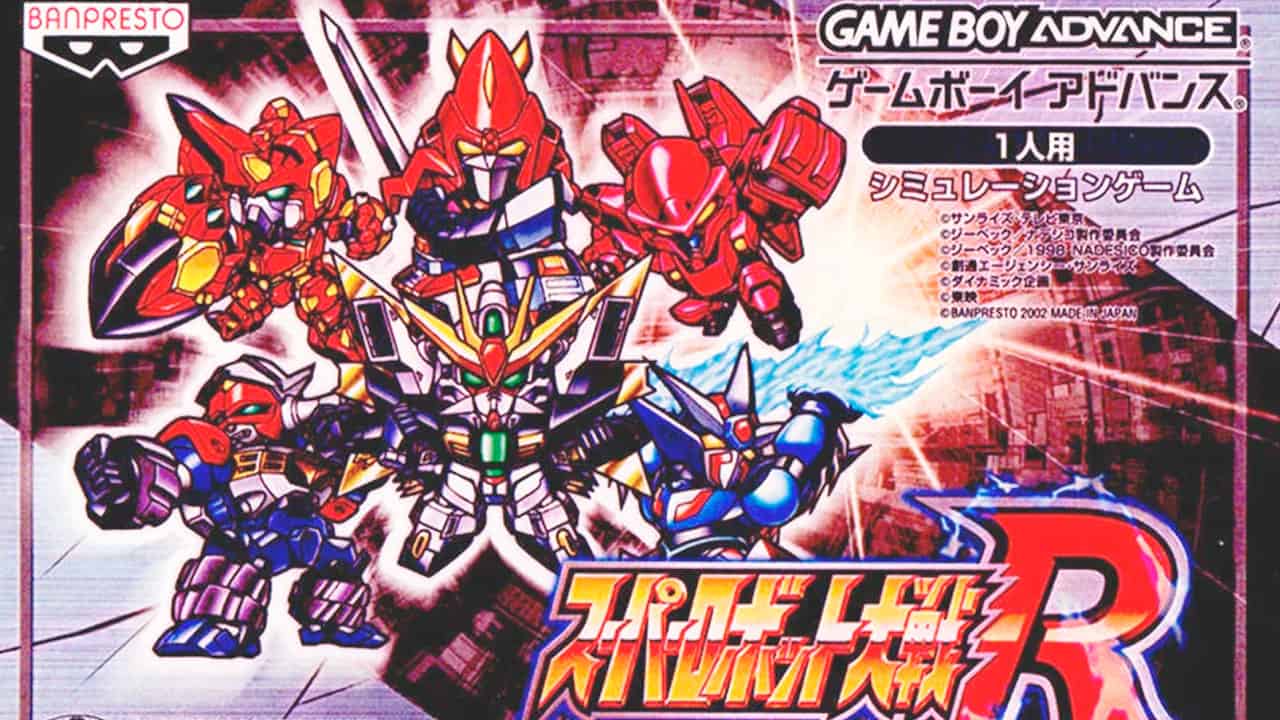
When Famitsu suggested that Fukuda had taken the ‘best aspects’ of gaming and applied them to anime, he offered a more competitive mindset towards this ordeal. “No, rather than incorporating them, ‘I’m going to make video games stop selling,’ is what I thought while creating [anime],” Fukuda recalled with a laugh. Ironically, it doesn’t take long for the director to warm up to his perceived rival media. Fukuda admitted candidly that the original sales of Gear Fighter Dendoh were ‘by no means good’ despite his confidence in the anime project itself. Once he learned Banpresto wanted it added for Super Robot Wars R two years after its first broadcast, though, he hoped the collaboration could give the series another chance in the spotlight.
“Well, if you’re not appearing in Super Robot Wars, the attention you get will be completely different. It’s like a dream for a robot anime series, I think. I personally found it to be such a massive brand,” said Fukuda while praising how Banpresto and the developers were able to pull off a huge amount of crossovers even 35 years ago.
Since then, Fukuda sees Super Robot Wars as more than just a game series or a platform for mecha anime to promote their content. But as something essential to Japan’s beloved subculture of anime. “The existence of Super Robot Wars is distinctively Japanese, and the ‘axis’ of Japanese robot anime culture. […] If Super Robot Wars is to disappear, I don’t think it’s an exaggeration that Japanese robot anime culture itself would come to an end,” he argued. Definitely quite a turnaround for a director who once viewed games as something that anime needs to take care of.
According to market estimates, the gaming market is now roughly 7.5 times the size of anime in 2024. Video games might’ve killed the anime stars, so to speak. But as new fans keep being introduced through the long-running crossover series, it still ended up helping keep the robot anime that Fukuda and other directors fought for alive in the process. For more news and interviews, keep an eye on GameObserver.


 ObserverCrew Picks
 bserver
 bserver