As layoffs continue across the games industry, conversations about the role of major publishers and their treatment of their employees are popping up to address the problematic structural issues within the companies. Ubisoft just announced this week that they laid off 166 employees across their Montreal and Québec studios, while Rockstar Games’ employees are voting on union recognition amid concerns about their job security following the launch of GTA VI. Against this context, BioWare officially closed its doors yesterday, 31 years after its founding and almost a month after the announcement of its closure.
As I discussed in my opinion piece, EA and BioWare were never a perfect fit. It was an awkward relationship that lasted almost two decades, with EA’s leadership never fully understanding BioWare as a studio. In a new interview with YouTuber Pembridge, former BioWare Executive Producer Mark Darrah reflects on his experience working in BioWare during EA’s acquisition in 2007 and how BioWare’s time under EA was characterized by a lack of resources, feeling like an afterthought, and the studio’s failure to adapt to EA.
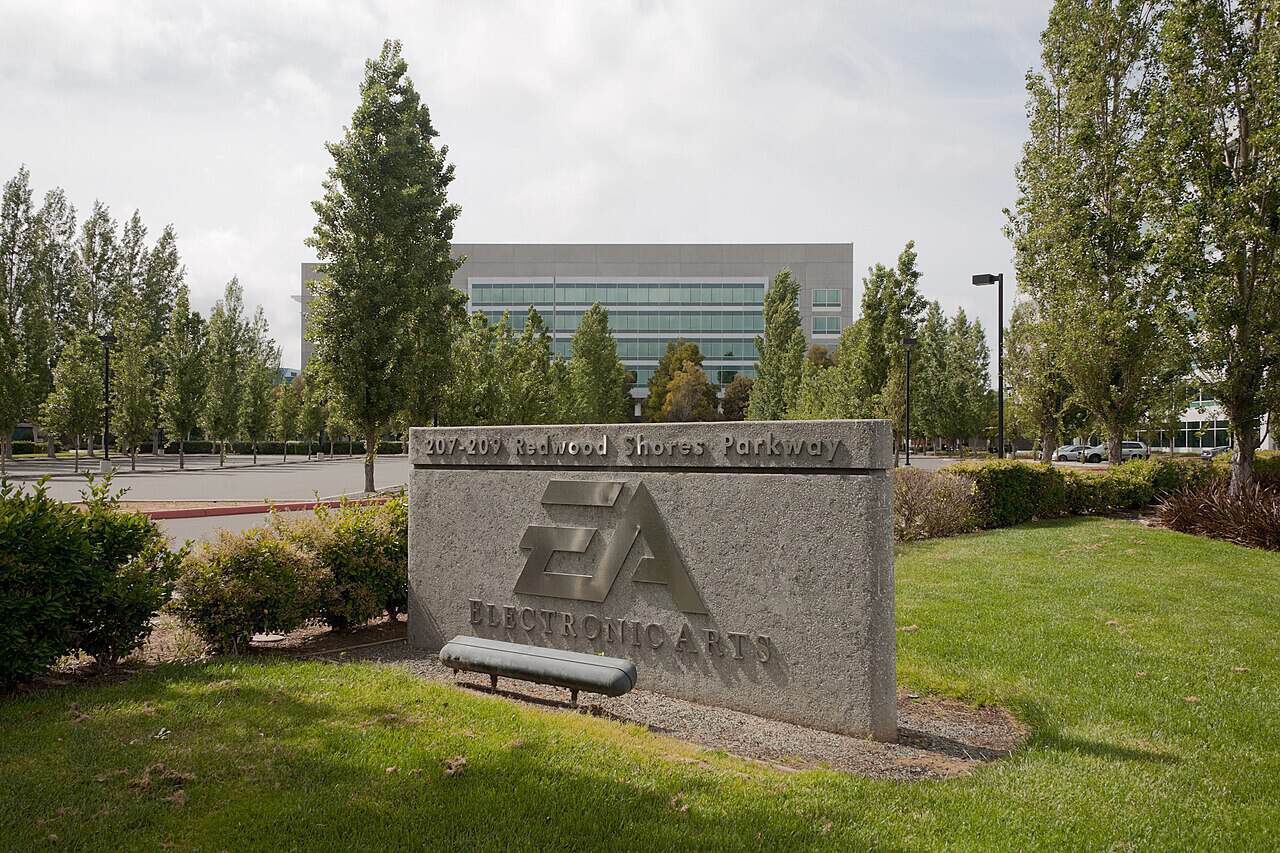
“They really wanted Star Wars: Knights of the Old Republic and Battlefront, and they were getting BioWare Edmonton as part of the deal,” claims Darrah. “For me, and for many people at Edmonton, it felt like EA was buying Knights of the Old Republic and Pandemic, with BioWare Edmonton coming along as a side effect.” It is no surprise that EA would be interested in the Star Wars IP; it is one of the most commercially successful franchises of all time, and it had already produced successful video games, namely Knights of the Old Republic and Battlefront. For EA, this acquisition was an opportunity to expand its portfolio of established franchises and capitalize on its successful IP. “EA always wanted live service,” Darrah explains. “In the days before Destiny, what was seen as a successful live service model was the MMO, so EA wanted an MMO.” Darrah later claims EA’s investment in SWTOR was lacking.
Within twelve months of the acquisition, EA closed Pandemic Studios, while BioWare Edmonton went on to produce some of the most iconic and recognizable franchises such as Dragon Age and Mass Effect. Despite EA’s main interest being Star Wars, SWTOR’s repeated delays would create constant financial pressure for the studio. According to Darrah, the MMO would eventually become profitable, but not at the expense of other projects.

“Dragon Age 2 exists because The Old Republic was slipping. EA put a shotgun behind BioWare’s head and said, “fix this,” Darrah recalls. BioWare was tasked with providing a solution to the revenue gap, and as a result, had to come up with the next Dragon Age game in record time. Dragon Age 2 was developed in around sixteen months, an extremely tight timeline, forcing developers to prioritize certain aspects of the game to meet EA’s deadline. The lack of resources will become a constant struggle that the Edmonton studio will deal with until its closure.
“Under EA, there was never an abundance of resources,” Darrah mentions, which may come as a surprise to many. EA is one of the wealthiest gaming publishers, with its CEO Andrew Wilson earning over $30 million in 2025. “If someone was getting resources, it was at the expense of somebody else.” This is seen from inside BioWare, with Darrah sharing the difficulty the Dragon Age team faced in securing resources, which the Mass Effect team would have access to. The development of both Anthem and Dragon Age: The Veilguard are also used as examples. The Dragon Age game was in development for around a decade, as much of the senior leadership, including Darrah himself, had to be pulled into Anthem’s development due to the struggle to meet deadlines.
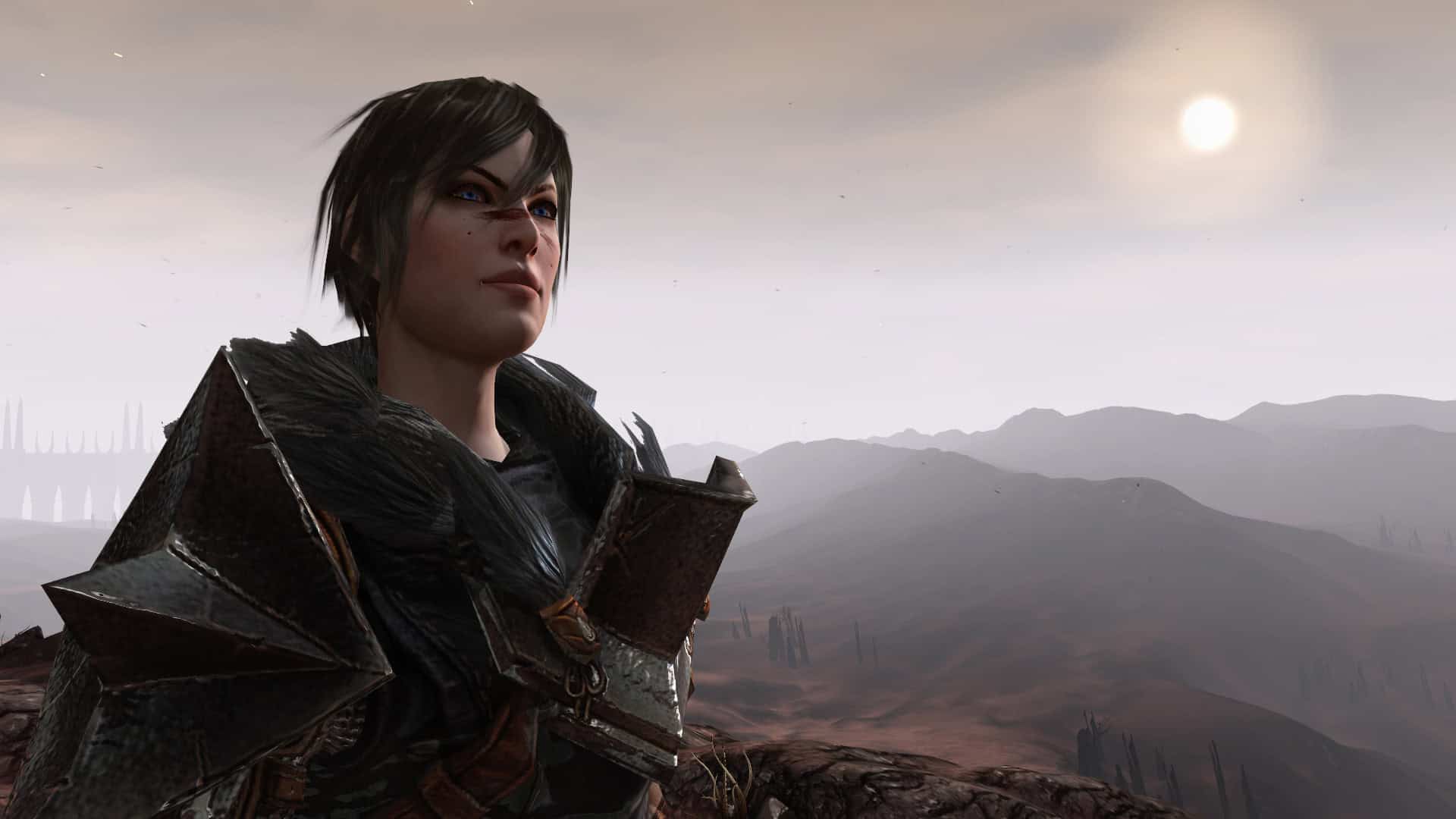
According to Darrah, the relationship between the two companies ultimately never worked. Despite BioWare’s successful launches, the studio always struggled to secure resources to operate within EA. “BioWare never learned how to live inside of EA,” Darrah claims. Rather than having the financial backing one might expect from a studio owned by one of the industry’s largest publishers, BioWare was operating within an environment where resources were limited, and success did not necessarily guarantee further investment.
BioWare’s closure follows years of troubled development, including another round of layoffs in 2024 after the launch of Dragon Age: The Veilguard. There were approximately 50 employees remaining in BioWare, who have now been laid off after the announcement of the cancellation of the next Mass Effect game. The studio’s closure comes as a result of EA’s multi-billion-dollar buyout with Saudi Arabia’s Public Investment Fund, Silver Lake, and Affinity Partners, which has left the company with $18 billion in debt. Earlier this month, Jason Schreier reported that EA’s decision was due to them favoring a Battlefront game, a result of their internal restructuring.





 ObserverCrew Picks
 bserver
 bserver