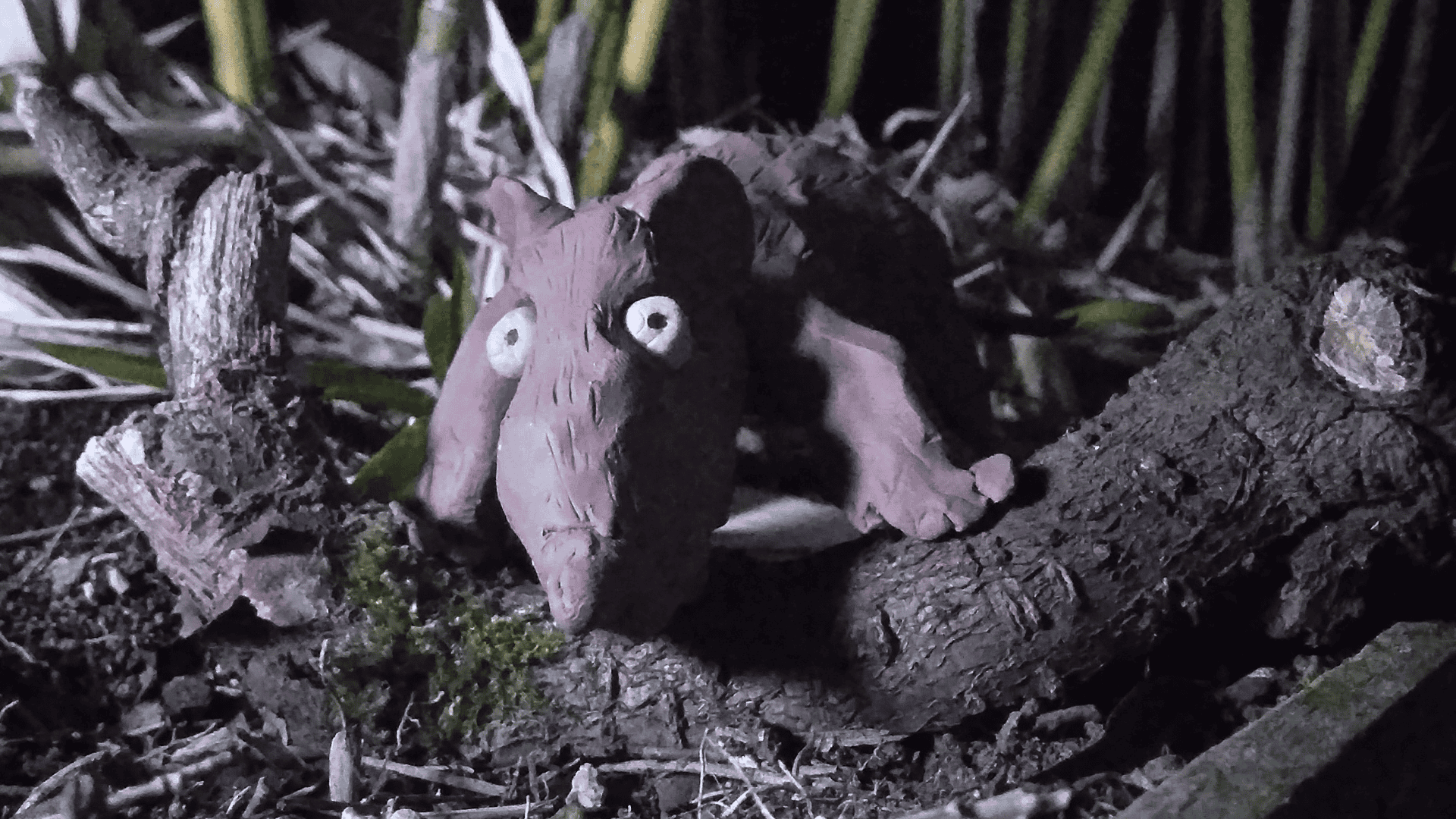
Released on the 27th of October, Girl & Scarecrow is one of the most unique indie games to hit the market this year. We here at GameObserver gave it a 9/10 rating, arguing that the touching story and remarkable stop-motion animation made it a must-play. Well, we were even more pleased when we got the chance to sit down and chat to its creator and developer Joe Renwick, and find out just how this kooky game came to be.
Renwick himself hails from New Zealand (which pours much into his writing, more on that later), and is a young indie developer with four games already under his belt, such as Sunken Ships and Stones of Flesh. Being the sole writer, director, animator and editor of a video game of such intricate nature, we were more than curious to ask how it all managed to come together.
Inspiration and the Creative Process
GameObserver: Where did the inspiration for Girl & Scarecrow come from?
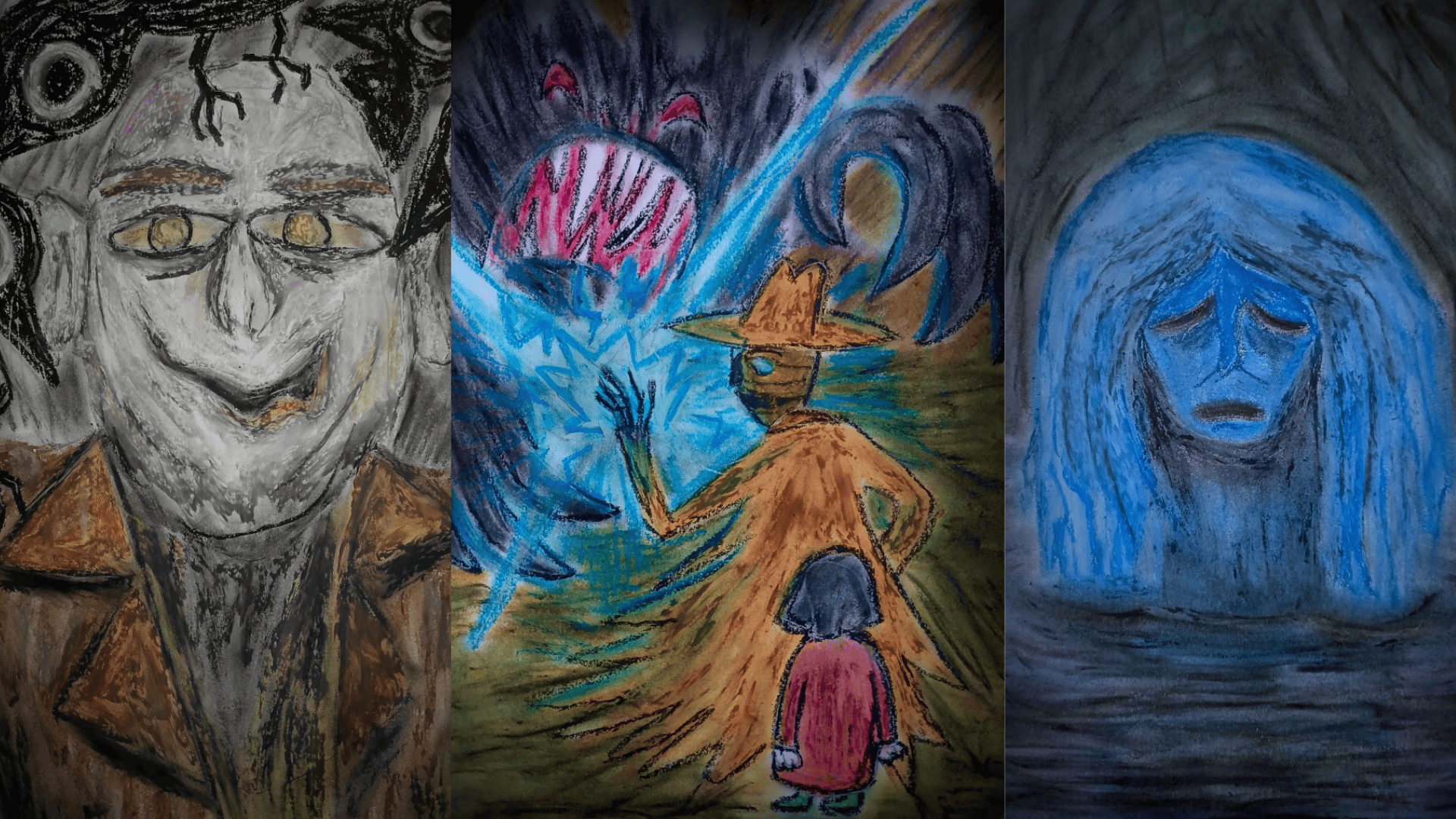
Joe Renwick: I’m a sucker for aloof protector characters. It started out with a doodle… of a little girl discovering she was being guarded from otherworldly monsters every night by a gruff scarecrow content to quietly protect her from afar. The exact specifics of the image didn’t quite make it into the game, as it made the girl too passive a protagonist, and it wasn’t as strong a story catalyst, but the feelings of parental sacrifice/protection associated with it definitely informed the rest of the game.
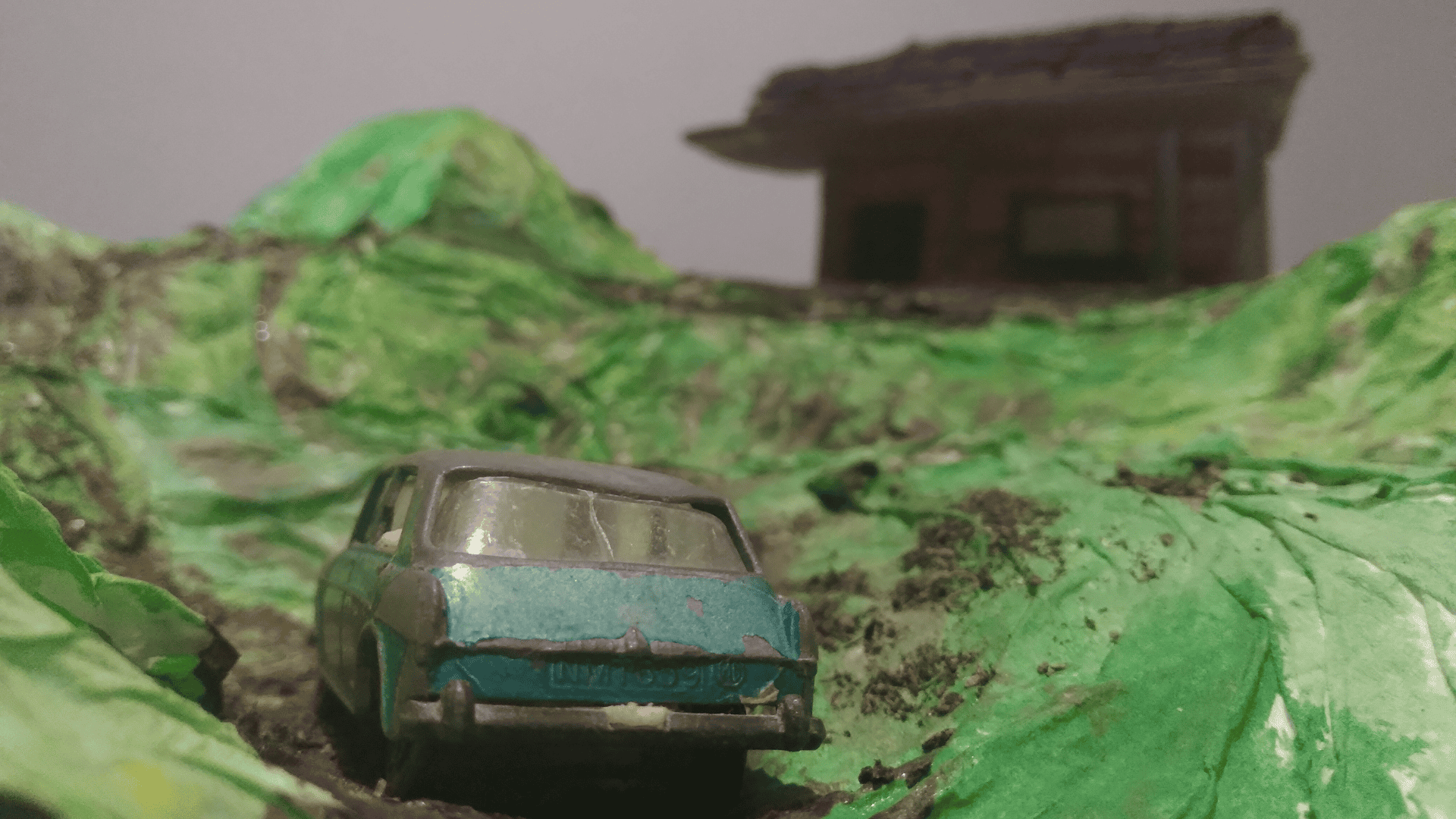
Renwick: I was also very inspired by the Studio Ghibli film trope of the child moving out into the countryside where secret magic beings and ancient hidden worlds reveal themselves, and wanted to put a New Zealand spin on it, given that country and bush is so deeply entwined in the kiwi identity. NZ as a country is fairly young, and due to our isolation from the rest of the world, our bush is quite prehistoric and (mostly) somewhat untouched (as of yet), and thanks to the severe lack of mammals before settlers arrived and introduced them, our native birds basically ruled the place (hence the fat flightless kiwi and giant moa, for example). The sudden introduction of human settlers, and with them pests like rats and dogs, to a prehistoric bird world unequipped to deal with them served as the inspiration for the re-emerging ancient avian empire in the game.
Also, scarecrows are for scaring off birds. That was a contributing factor.
GameObserver: What did the process look like? Where did the character creation/script/animation come into play along the way?
Renwick: I first wrote Girl & Scarecrow last year as an assessment for my screenwriting class at uni, where I got a lot of great feedback from my tutor and NZ writer/director Matthew Saville, which helped shape the story and my own sense of how good narratives work. From there, I adapted that feature film story structure into a more branching VN style, as I always intended to do. Having a young child as the protagonist works great for a VN for a number of reasons: the player can be as rebellious as they like and it still fits the narrative, the player has a character who can railroad them when needed (the caregiver), and young children are generally learning about the world which makes them a great audience surrogate.
Stop-Motion Animation and Character
GameObserver: Why do you make video games out of clay? What does it give opportunity for that pixels don’t?
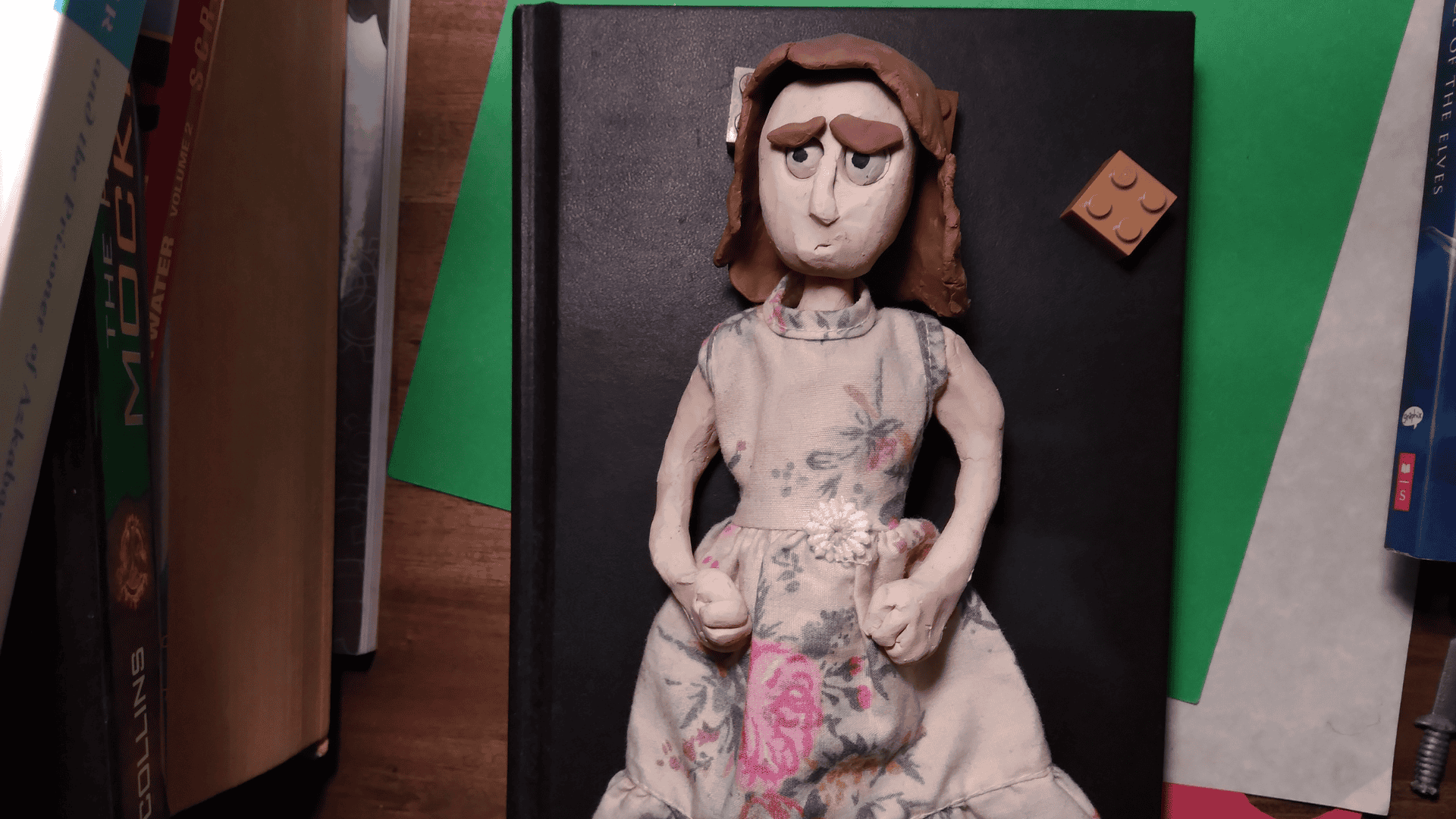
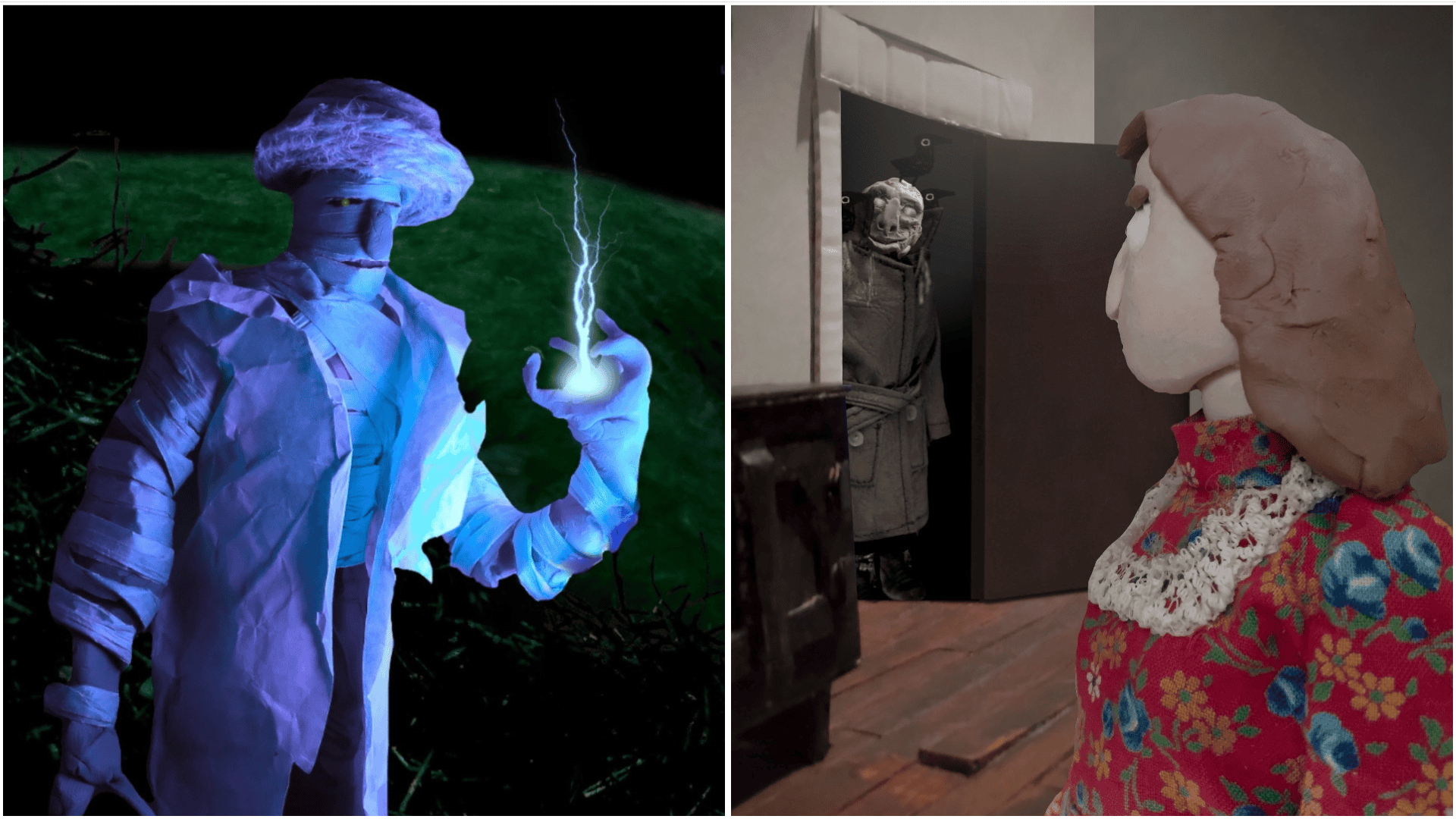
Renwick: I love stop-motion. It’s all about the texture for me, seeing the fabric, the grass, the wood, all the fingerprints and recycled scraps. Especially with all the AI stuff on steam at the moment, I think human imperfection is needed more than ever. It’s good for the soul.
As for the game side of it, the game that made me realize I too could make games (and with clay) was the gorgeous claymation treasure that is the first Hylics game. It inspired me to make my first game Sunken Ships, and every so often I come back just to look at it for five seconds and suddenly feel creatively energised again. A lot of clay-mation games are like that (especially Jack King-Spooner’s work); you just have to look at them and you’ll be unafraid to create, unabashedly.
GameObserver: What is your favourite character in the game and why?
Renwick: Probably the Stinky Corpse-Man. So ancient that he’s basically from another world, he’s very alien to the modern(ish) human world, and because of that there’s a naivety and pathetic-ness to him that I find endearing. And like all good antagonists, he mirrors the protagonist, in that he also acts like a child. Just like our real-life tyrants!
Recommendations and the Future
GameObserver: Would you recommend the RenPy engine for indie video game developers?
Renwick: Heck yes. Anyone who loves narrative and spends all their time thinking about it like I do should give it a go. Personally, I think the visual novel genre as a whole is right on the precipice of a golden age thanks to gems like Z.A.T.O., Mesmalie, and of course the genre-evolving pioneers behind Slay the Princess and Scarlet Hollow, Black Tabby Games.

GameObserver: Is there anything you’ve learnt from the process which you plan to improve on for future projects?
Renwick: I’ve learned a lot about how story structure works in the three-act feature-film hero’s-journey style, but also how story structure can slightly differ sometimes in games. For instance, I’ve come to understand that a more blank protagonist in a game is sometimes good, actually! Giving the player more of a vague mould of a character, to shape as they see fit through their choices, helps put them more in the story and get invested. Is your Elise a rebellious wild-child, angry at the world for the disappearance of her father? Or is your Elise a dutiful soldier-in-the-making, obedient in the hope of one day rejoining her father? Sometimes you have to learn to let the player in on the writing.
Ruby Barry conducted this interview on behalf of GameObserver via text. Check out Girl & Scarecrow on Steam here and follow GameObserver for more gaming news.
 ObserverCrew Picks
 bserver
 bserver