The best puzzle games utilize environmental design and subtle signposts to guide and teach players how they should be interacting with the world. They reward creative thinking, deductive logic, and ultimately, design a system that’s satisfying and enjoyable to solve. They establish a connection and build intrigue with every new puzzle that motivates the player to keep digging for the next clue, while avoiding too much guidance. The game design is a puzzle in itself—a puzzle that Rivage, developed by Exlino Studios, gets close to solving, but not close enough to make it an easy recommendation.
Rivage is an immersive first-person puzzle adventure that puts the player in control of Miranda, a doctor in charge of looking after a crew trapped inside the A.R.E.S. space station. The station orbits Vesta, an exoplanet that holds humanity’s last hope as a new habitable planet that the civilization aims to migrate to. The only problem is, the space station’s crew has gone missing, and Miranda has found herself stuck in a repeating time loop while the station struggles with its limited resources.
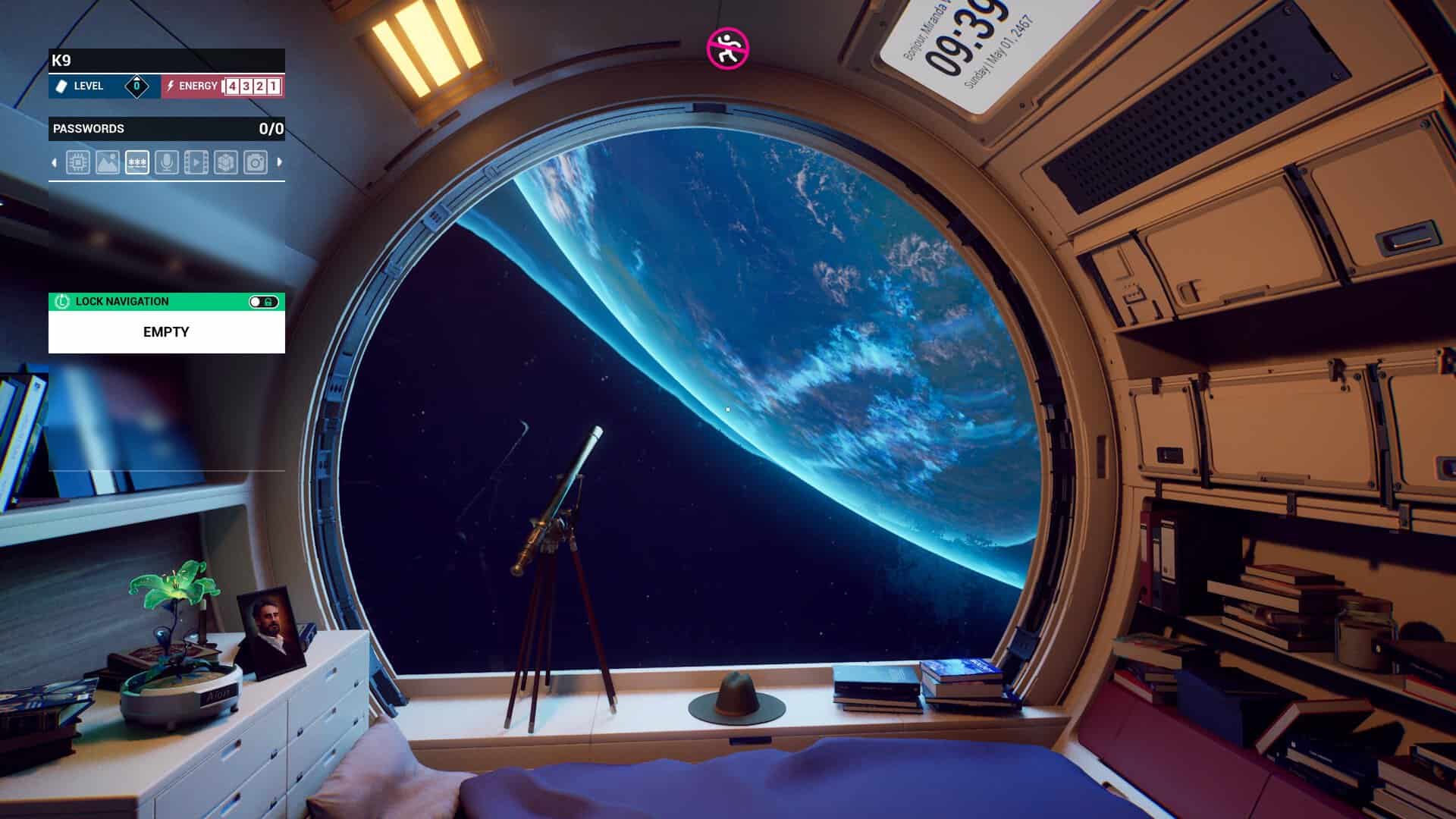
The premise establishes an initial goal and ruleset—the player must figure out what happened to the crew while managing the ship’s energy grid. This means that every door that Miranda opens costs a single use of energy, and the player must quickly learn how and when to open the right doors to progress to their ultimate goal. It’s a strategic limitation that helps create an intimate and thoughtful relationship with the player and the environment. Throughout my 15-hour playthrough, I started to learn the station’s layout by heart. I began to understand where I should start, and where I should ultimately go based on the circumstances the limitations created.
While Rivage is described as a puzzle game in nature, the initial experience feels more akin to a true investigation. Early on, the player will gain access to a manual transcript that will explain the crew’s K9 system. The K9 allows Miranda to keep a historical record of every recording, note, or image that she gathers during her search. In practice, this serves as the player’s main UI and allows them to reference key pieces of information as they progress through each room. This is by far the most important, and perhaps unique, mechanic of Rivage, as the player will need to take dozens of in-game screenshots to keep track of notes and passwords.
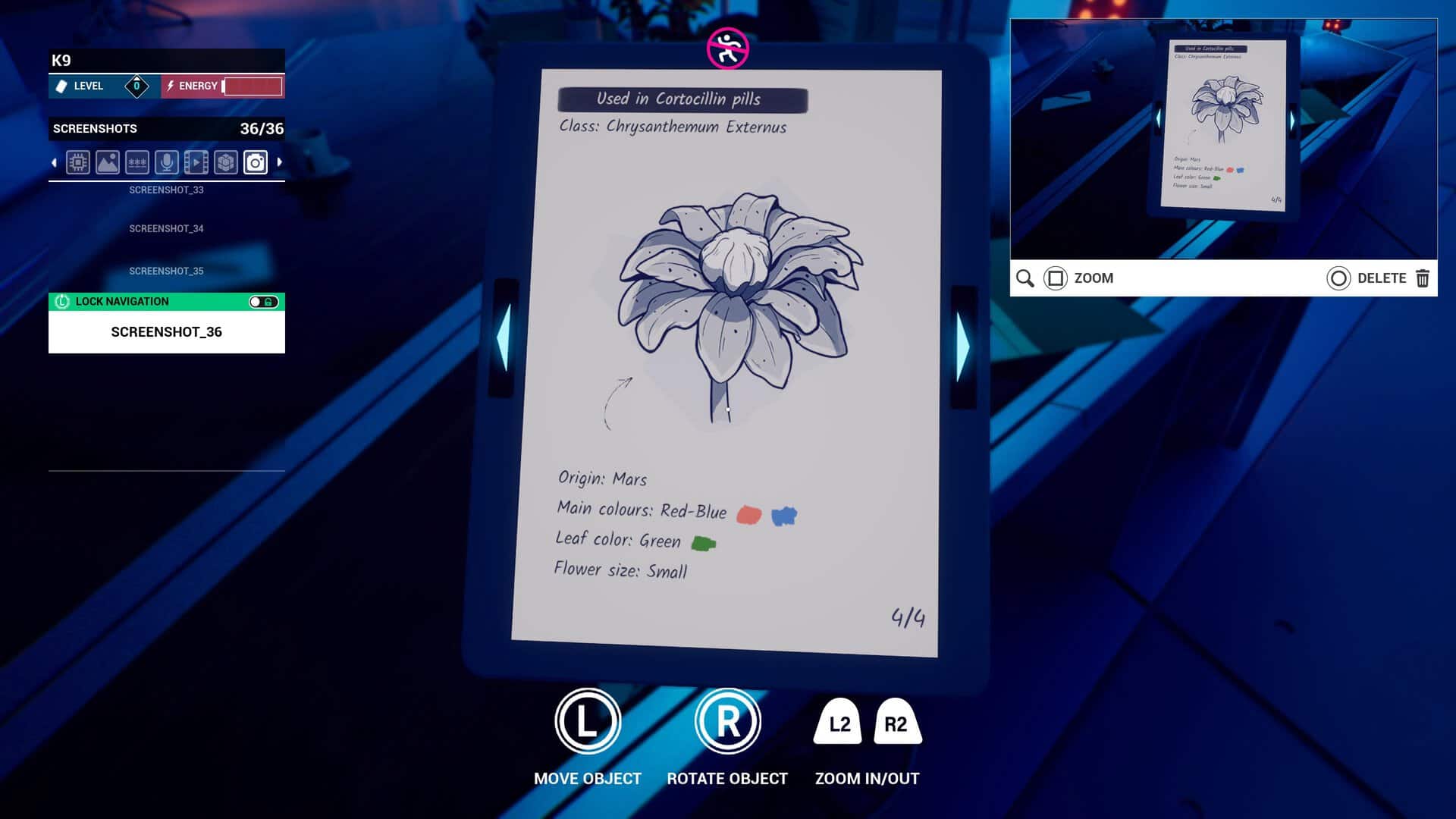
The K9 mechanic allows the player to operate as a true detective, which is pivotal to progression, as a majority of the puzzles in the first half of Rivage will be solved by paying attention to environmental cues and notes scattered around the isolated station. And that dozen can quickly turn into over a hundred, as the clues quickly expand in quantity and the puzzles become more obtuse.
Rivage is hard and does not hold the player’s hand at any point during the investigation. There are pros and cons to this. The positive is that Rivage respects the player’s intelligence. Finding the right combination to a locked vault or putting together the right chain of evidence in the initial hours feels truly rewarding. The downside is that without the right level of motivation, the growing abstract nature of the puzzles can slowly replace the joy with genuine frustration.
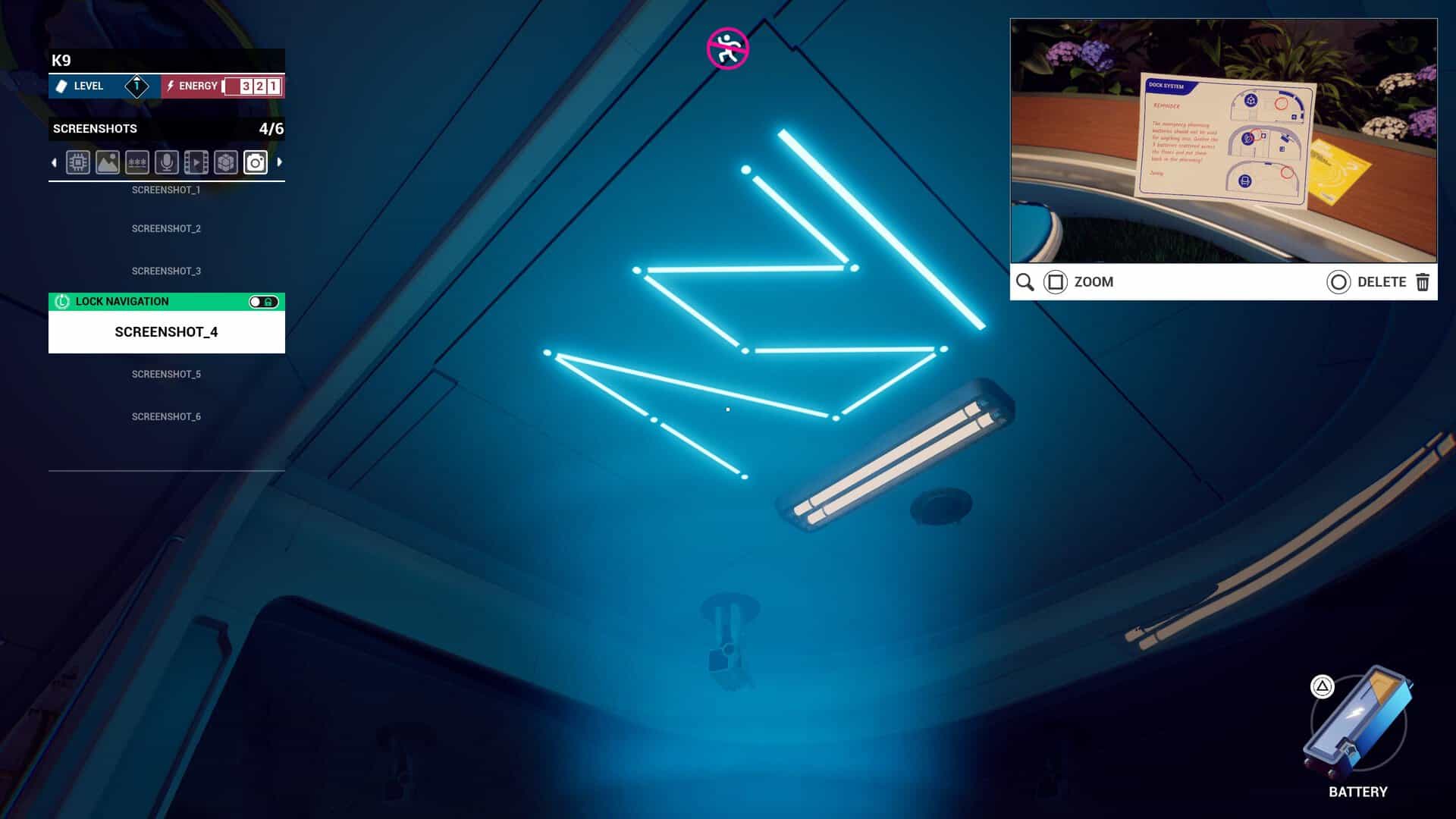
That frustration can be amplified as the puzzles in the ladder half of Rivage increase in difficulty, stray away from the core investigation component, and replace it with grueling sessions of trial and error. To give a clean example of this—I’ll stay vague enough to avoid any spoilers—an initial puzzle in Rivage would require the player to carefully read messages between the crew, learn about the personal habits and stakes, take note of a specific keyword that might reference an obscure item in a previous room, and require the player to carefully manage the station’s power usage and time loop mechanic to make it back to that room and successfully gather the important item. The puzzle would then create a thread, a thread that, with careful deduction, would lead to another important clue.
In comparison, a puzzle later in Rivage gave me nine gears that had to align in six specific patterns as they turned clockwise in one of the station’s mechanisms. This requires the player to use limited logic to reduce the number of variables, and then play a game of trial and error. The only true way to solve this puzzle was to spend a good amount of time trying all the different variables. There were no threads for me to pull on, no past knowledge for me to utilize, just pure patience to sit down and find the right combination. This approach isn’t inherently wrong, but Rivage heavily relies on this type of puzzle towards its midway point, and with its surrounding aspects lacking, this turns the thoughtful investigation into a ruthless math equation. It’s an adjustment in game design that broke my initial appreciation of the limited power grid. It’s an adjustment that led me to dread approaching a new puzzle and most certainly provides too much friction for a casual audience.
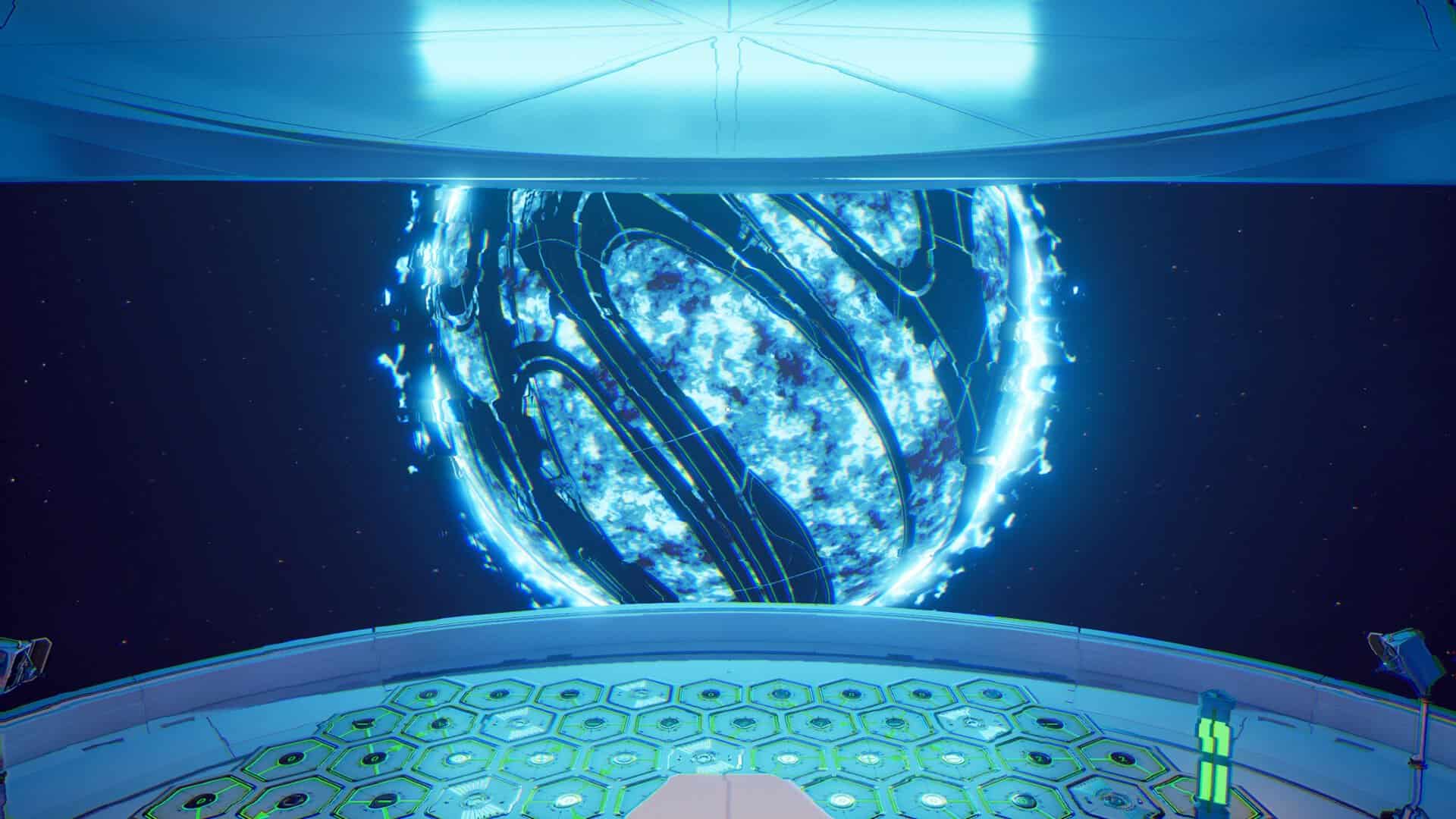
Another side effect of changing design directions is that I began to doubt what the game had originally taught me. I learned that there were threads to pull and information to gather that would help me solve any riddle or problem. And when approached with a variable driven puzzle, like the gears, my initial inclination was that I shouldn’t be trying to power through. That there would be a manuscript somewhere that would guide me. And so I would look, retrace my steps, until I was frustrated enough to try the original path. It’s a small change, but a change that does alter the way the player originally learned to approach puzzles. A change that will work for some, but could drive others away.
Exnilo Studios describes Rivage as an immersive puzzle adventure, and the team of two most certainly put a large emphasis on its characters and narrative progression. The player will spend hours listening to audio logs, reading messages between the crew, and searching their individual rooms to learn more about them. In theory, this would encourage players to progress through the harder puzzles to eventually find the story’s resolution. However, in practice, the characters are fairly one-dimensional, and the story lacks a unique element to ultimately justify progressing through the more obtuse and grueling puzzles. Messages start to sound like clues instead of real people talking, arguments start to sound fabricated just for the sake of conflict, and character arcs don’t fully come together. At the end of the day, the crew’s dynamic counteracted the immersive nature of my isolated exploration of the station, as I started to lose belief that this crew of scientists would actually be chosen to lead humanity’s last desperate hope for survival.
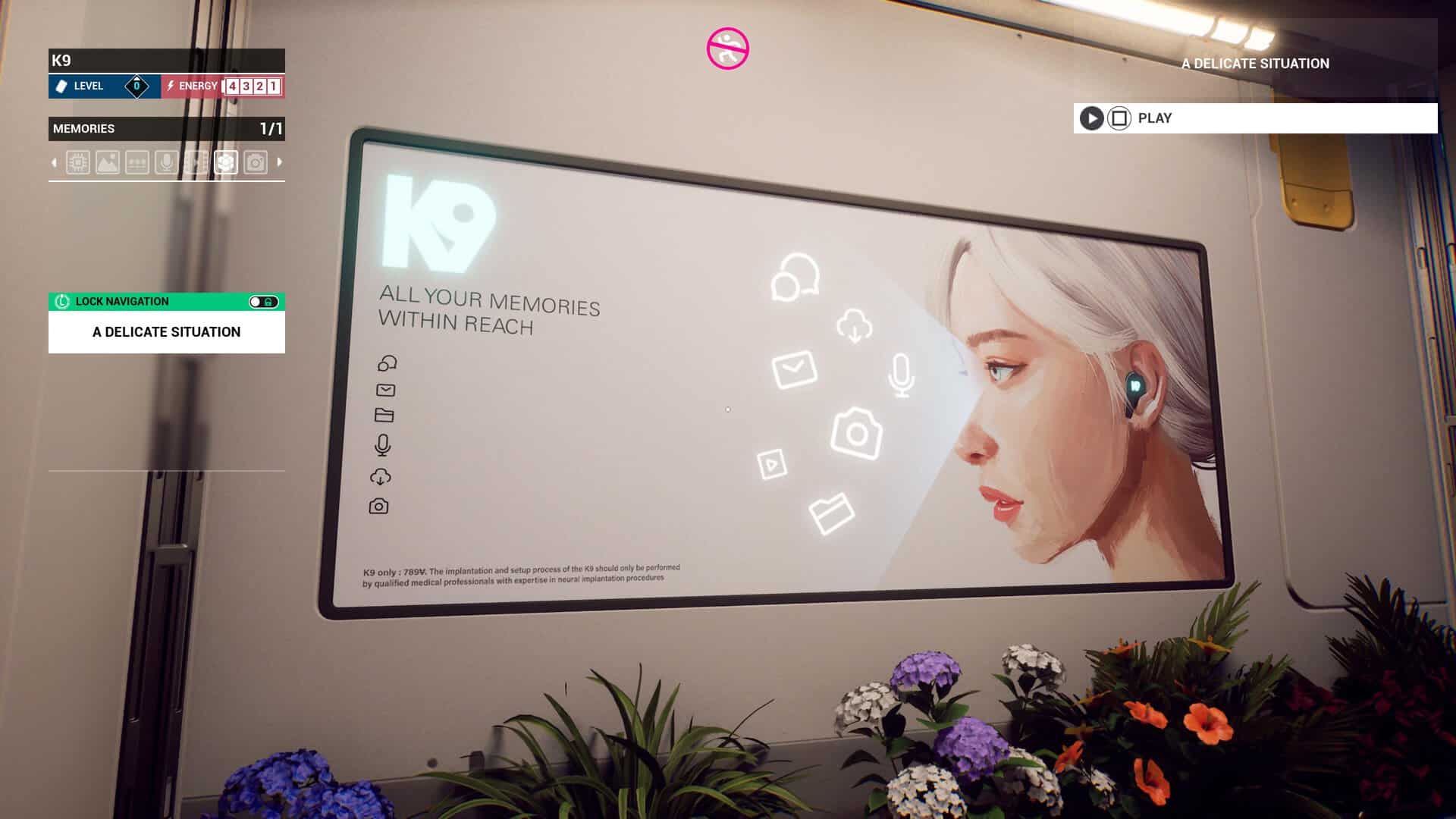
There are also some practical and accessibility issues that certain players should be aware of. The screenshots the K9 unit takes are fairly small, and while it allows players to increase the size of the image, it was not substantial enough to prevent me from having a hard time reading handwritten notes. To circumvent this, I adjusted by taking screenshots on my PlayStation 5 so that I could easily view and read each note on my phone. It might sound like a small accessibility issue, but it encouraged me to avoid interacting with one of Rivage’s core and most unique components during certain investigations. As it currently stands, there is no way to adjust font size or increase the readability of notes.
On top of this, K9 can be a fairly clunky system to get used to, especially when using analog sticks to adjust through the menu while also needing those same analog sticks to interact with elements in the game scene. I often found myself fighting against the UI in the middle of solving puzzles. These issues will most likely be reduced on PC, but I’d be aware of this before buying on a console.
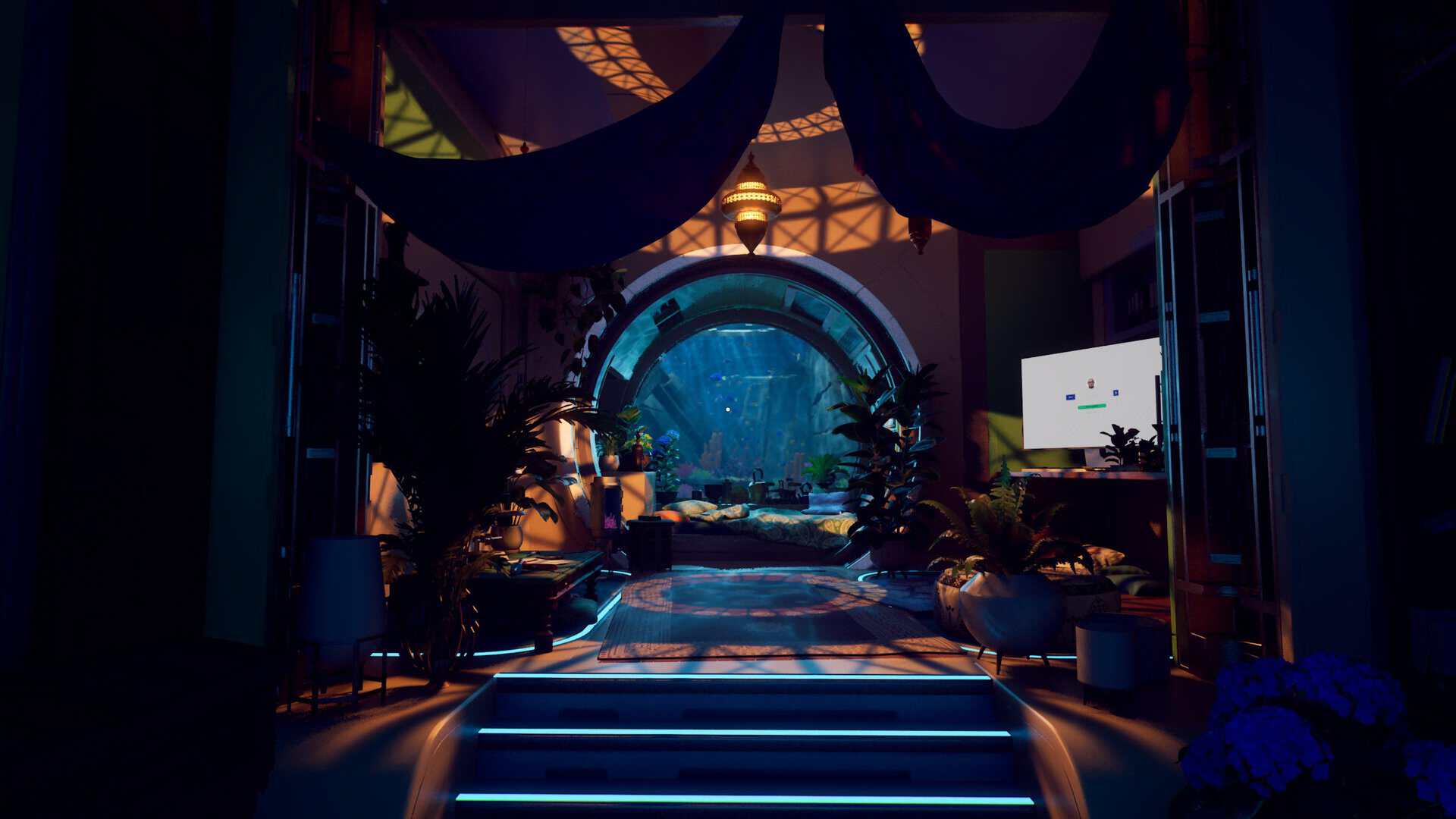
Overall, Rivage starts strong, establishes its ruleset, and has genuinely challenging and rewarding investigative puzzles. But as more days pass, the puzzles abandon their original design philosophy, and the story fails to pick up the weight. By the end, I no longer felt a level of accomplishment from solving a problem, but instead felt relief that it was over and I could move on to the next section. I can only recommend Rivage to the truly hardcore puzzle enthusiasts who enjoy an arduous experience for the difficulty alone.
Daniel reviewed Rivage on PlayStation 5 with a provided review code. This review is based on the version of the game that was available at the time of writing, and our score will not be changed.
- Score
- 6/10 DECENT - GameObserver Cautiously Recommends
- Summary
-
Daniel says: Rivage is a decent first attempt from Exnilo Studios at an immersive first-person puzzle adventure. Its initial investigations are engaging, but as the game progresses, its story, UI, and abandonment of deductive puzzles prevent it from being an easy recommendation.
- More
- GameObserver's Review Policy

 ObserverCrew Picks
 bserver
 bserver