I remember those days like it was yesterday: a stale, stuffy bedroom on a Friday night, a couple of Costco pizzas on the floor, the smell of Mountain Dew that spilled on the carpet… and that unmistakable Gregorian chanting as the main menu of Halo: Combat Evolved filled the space. There are two other Xboxes on the floor next to mine, and two more box TVs in the corners of the room. A few scrappy teenagers laugh and scarf down cold pizza. My friend’s mom opens the door, shushes us, and reminds us that it’s nearly midnight.
My memories of this time are not unique. You could tap on the shoulder of virtually any millennial gamer and ask them what it was like to play Halo in those days, and nearly all of them will have a story to weave for you, a tapestry of memory that springs alight as soon as it’s mentioned. For many of us, Halo laid the foundation for the type of gamers we would become, and the type of friendships we would seek to forge.
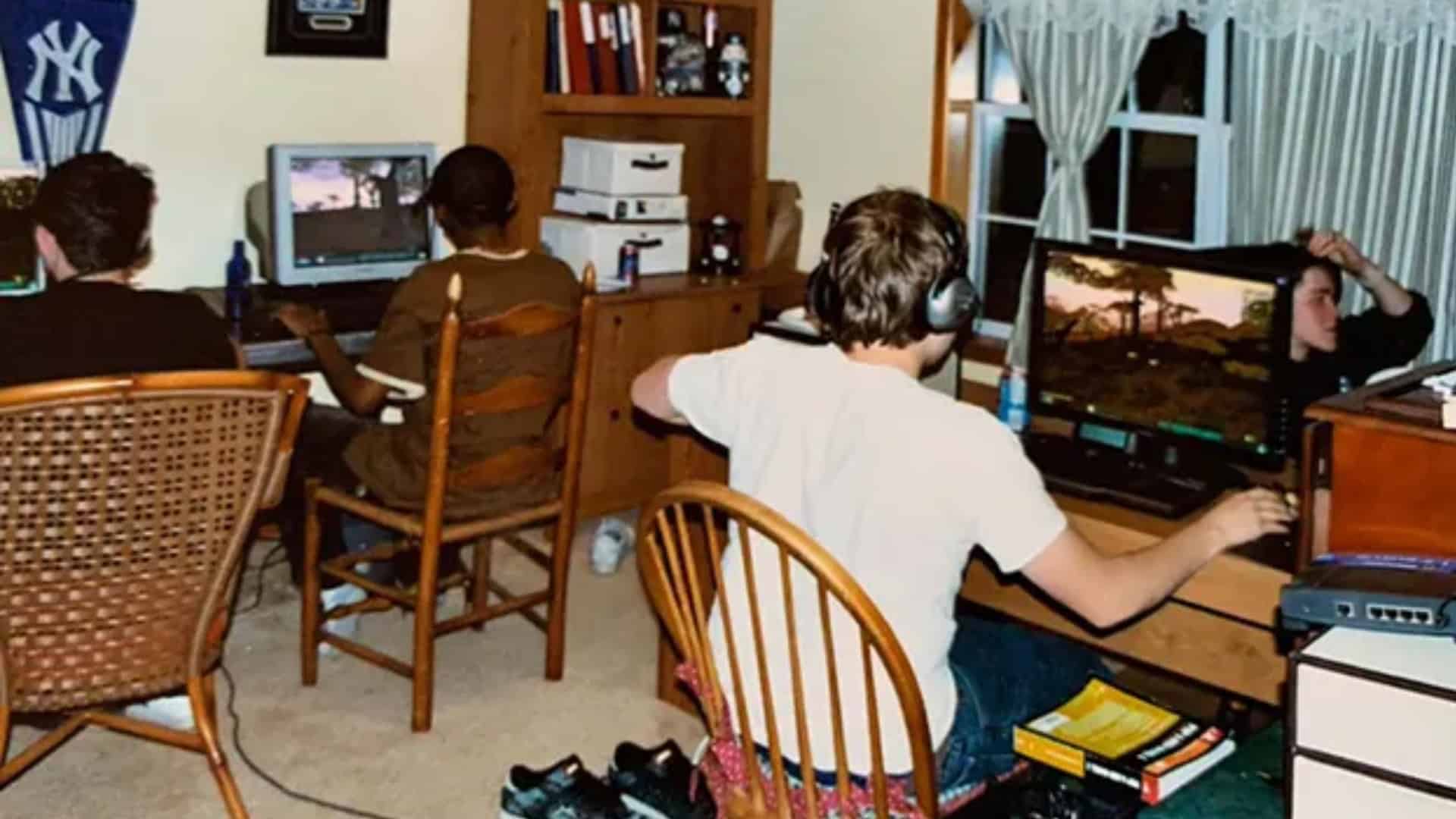
The experience of gathering friends on the weekends for long nights of Halo sometimes feels like a fever dream from my adolescence. But then the smell of Mountain Dew, or the taste of a slice of Costco cheese pizza, and that ancient-sounding chant transports me back with such force that I could very well be 13 again, as long as I don’t pinch myself. What was once a weekly or even nightly occurrence has become a memory half-buried under the weight of Discord calls and online lobbies. An indelible mark on the history of gaming, marred by time, but forever enshrined by the euphoria of a community that defined a generation of gamers. There was nothing like a Halo LAN party with your friends in the early 2000s, and there never will be again.
So when my friend, who goes by the moniker ToonWolf, told me a few months ago he wanted to play through the Halo games for the first time, and asked if I’d shepherd him through it, the 13-year-old Clare that lives deep within my soul rose up with a resounding “Hell yes!”
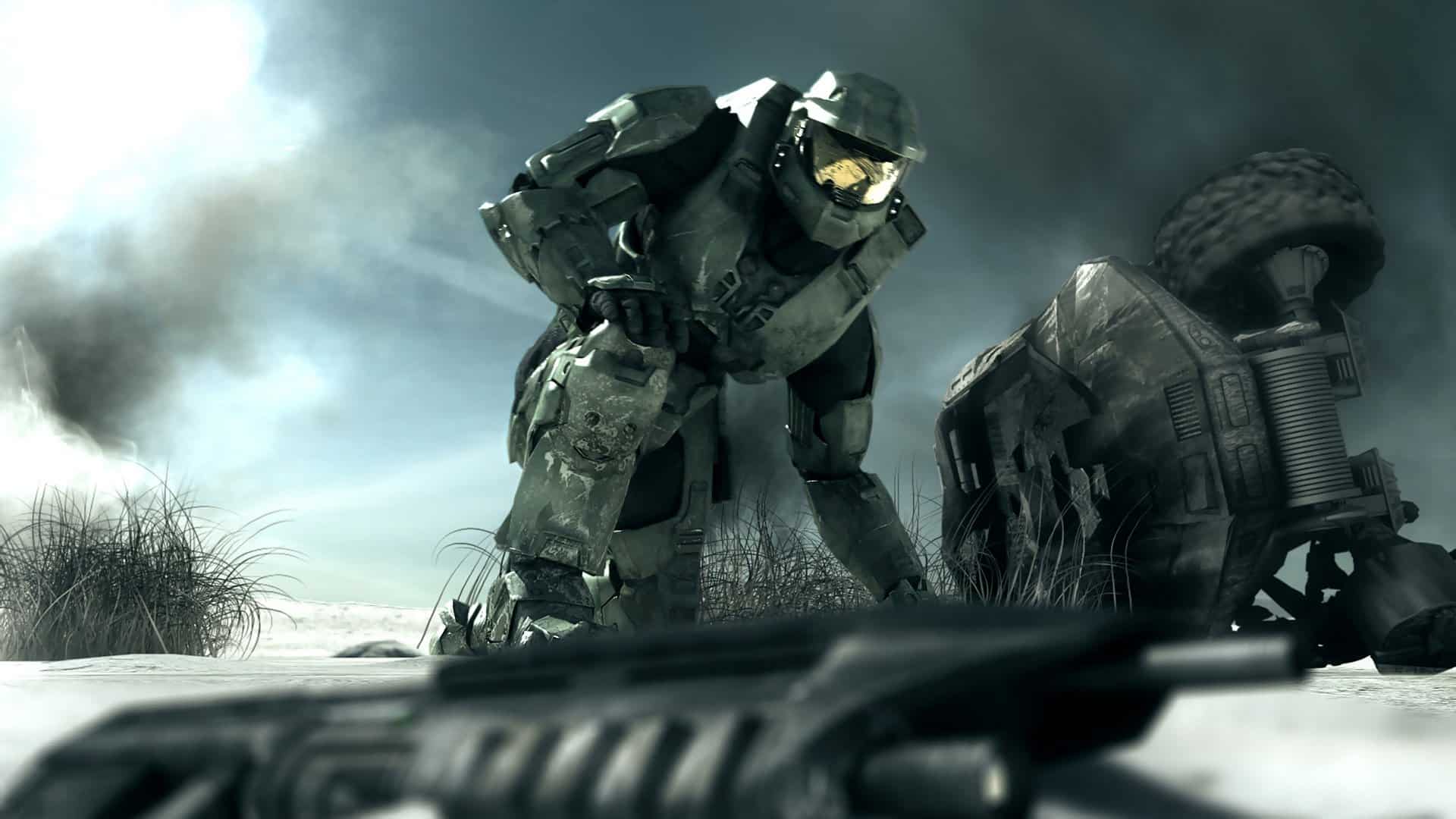
But to understand the ways in which this journey is meaningful, one must first understand what got us here in the first place. The concept for Halo was born as early as the mid-1990s, when a couple of young Macintosh programmers founded their own game studio called Bungie. Following the successful launch of two Mac games, Myth and Marathon, Apple founder Steve Jobs was so impressed with the early concepts for Halo that he invited the Bungie team to announce the game at the Macworld Conference in July of 1999. But financial hardships and other obstacles eventually led Bungie into the arms of Microsoft, which acquired them and Halo the following year. Microsoft plugged Halo as one of the launch titles for their brand new video game console, Xbox, and after a chaotic final year of development, Halo: Combat Evolved launched in November of 2001. And the rest, as they say, is history. A history of over 81 million copies sold between 13 games, $6 billion dollars in revenue, and countless TV, film, book, and comic adaptations. Not to mention the rise of E-Sports, which happened in no small part thanks to the popularity of Halo’s revolutionary multiplayer competitive scene.
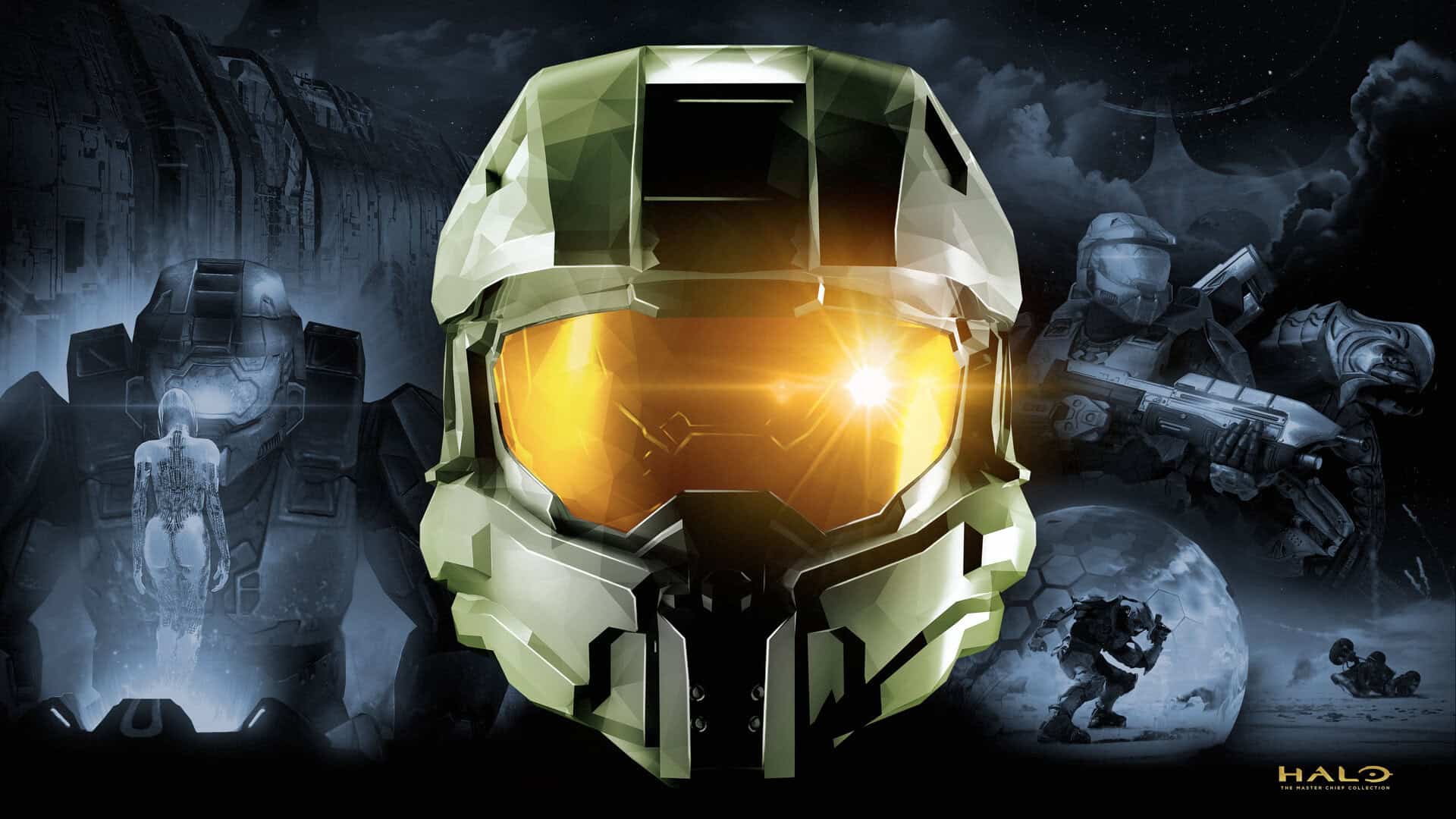
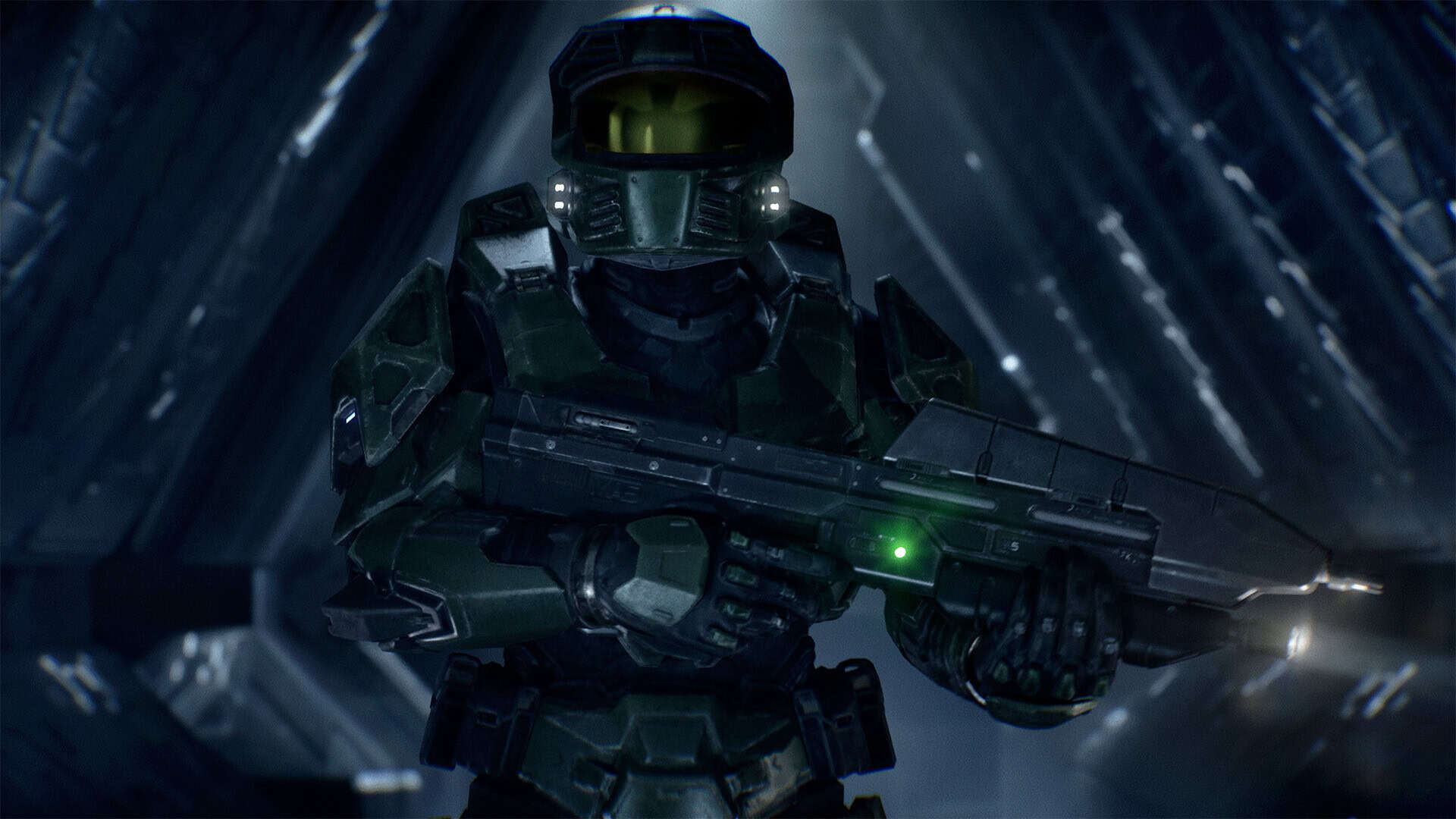
The story of Halo takes place in the distant future, a future where humans have spread across the galaxy. They are at war with a collective of alien races known as the Covenant, bound together by a religious creed that calls for humanity’s extinction. Nearly 25 years into the conflict, as humans escape the destruction of one of their colonized planets, they stumble upon a ringworld called Halo. The Master Chief, a human super soldier known as a Spartan, is tasked with protecting Cortana, an AI that, if she falls into enemy hands, would reveal all of humanity’s secrets and doom them all. The follow up games in the series expand upon this world in many ways; the evolution of the Chief as a soldier and a man, the people around him and inspired by him who fight with the same purpose, the Covenant themselves and the way they wrestle with the weight of divine purpose. Halo is more than just a story of the Master Chief. It is the story of finding purpose, knowing yourself, and building upon the memory of those who came before.
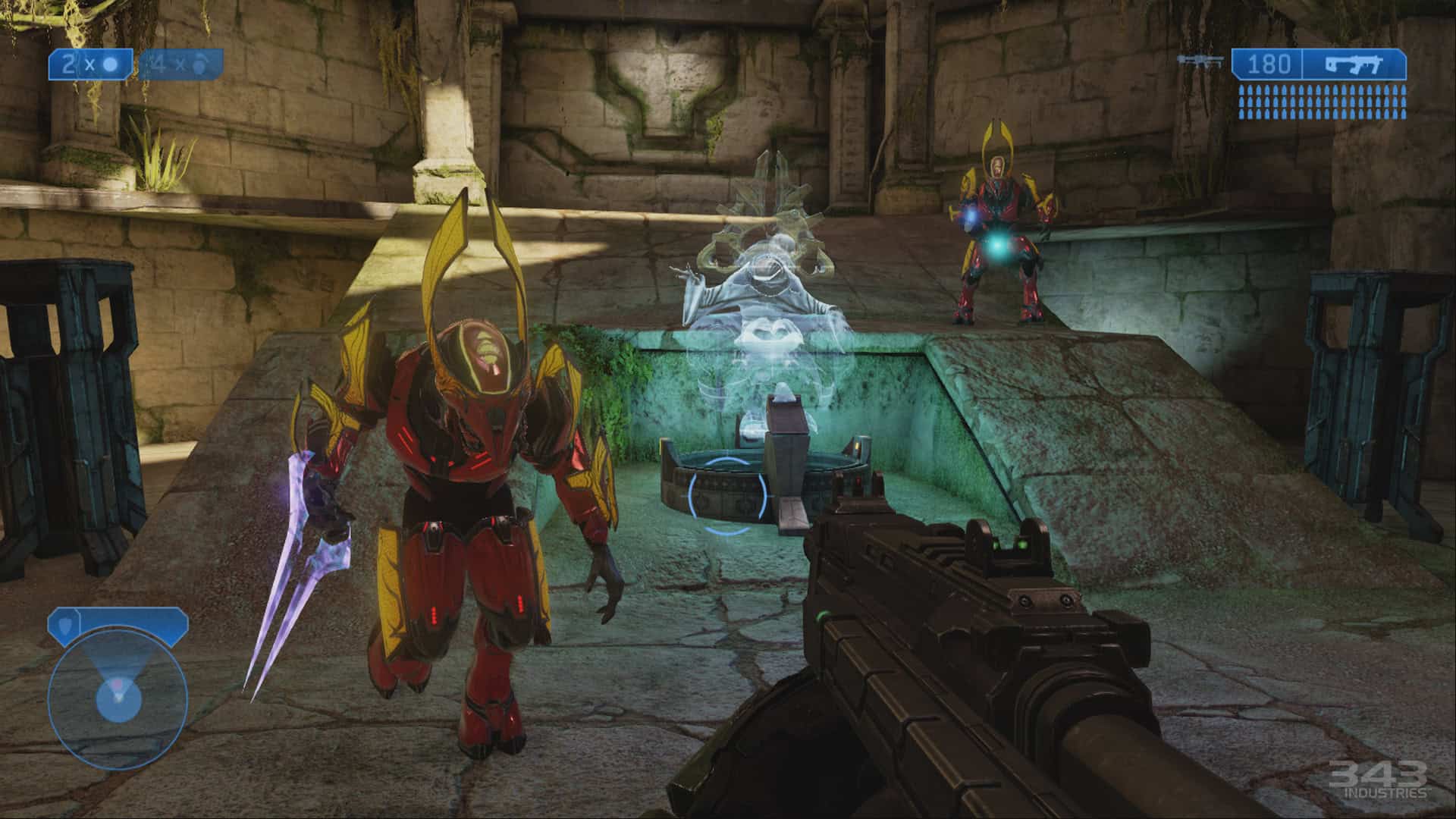
It’s hard to believe that it’s been a quarter-century that Halo has existed and established itself as the backbone of the modern day first-person shooter. Even harder to believe that now, as a university professor that actually teaches about the impact of Halo in the video game industry, I have students that weren’t even born yet when the game first came out. It is a strange experience to explain the history of a game to a bunch of twenty-somethings, how a bunch of angry and confused teenagers found something to cling onto in the immediate aftermath of 9/11 and a world tumbling into war. Perhaps that’s why Halo continues to sit so comfortably in our memory. It was an outlet, a space to be angry and frustrated, a place to escape when the world around us was becoming scary and unfamiliar.
But here in 2026, sitting down at my PC and hopping into a Discord call with another millennial of that era, but one who didn’t share in that experience the way I did, something feels new. The historical context of the era is present whenever we log in and play, but as I am reminded more and more of the years that have passed, and really process these games for what they are outside of my memory, the more I consider the type of person I have become in the wake of it all. The person who internalized the Master Chief and his story, his partnership with Cortana, the war for survival fueled by alien zealots, the weight of that holy war and every holy war after it, and me, the writer, the academic, the gamer. But I suppose at the end of the day, these are reflections that don’t necessarily matter. I am who I am, because of, in spite of, Halo. Because of, in spite of, an adolescence and early adulthood filled with friendship, community, growth, and change. For better or worse.
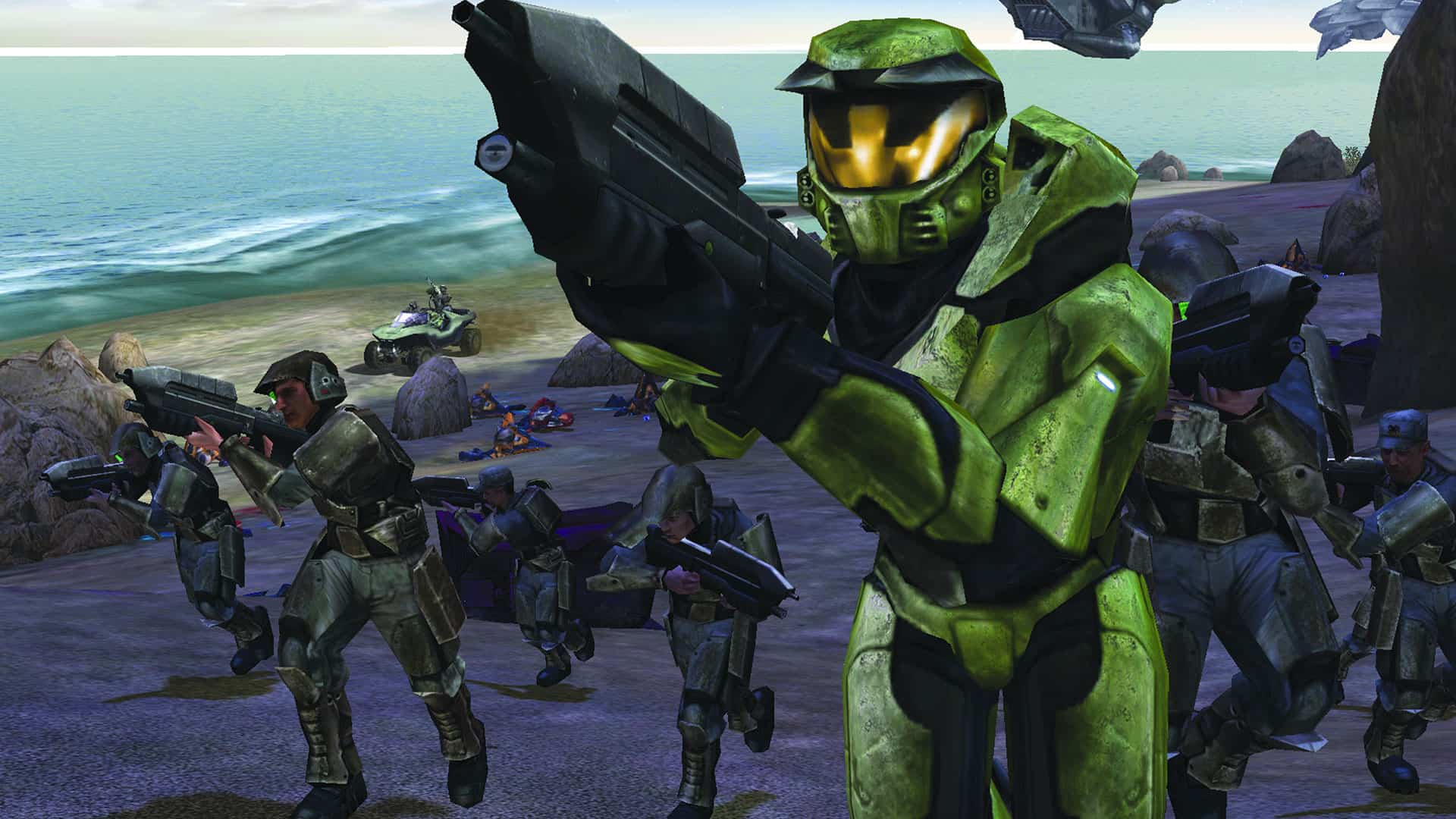
I’m only snapped out of my thoughts when I hear Toon shouting, “Uh oh!” and realizing our vehicle, the warthog, has flipped. We have 90 seconds to pass through the underbelly of The Pillar of Autumn, our grounded ship, before its nuclear reactor blows and destroys Halo. We are being swarmed by Covenant troops and Flood monsters. Everything is on fire and my shields are down.
I flip the warthog back over and yell “Get in!” and before I can finish, Toon is back on the turret, firing indiscriminately into the chaos, as the music swells and the drums thunder louder and louder and louder. I gun it and we lurch forward, into something I thought I knew and am re-knowing, and something Toon will come to know in a way that is both different and the same. In the place where nostalgia meets us as we are, and who we will someday be.




 ObserverCrew Picks
 bserver
 bserver