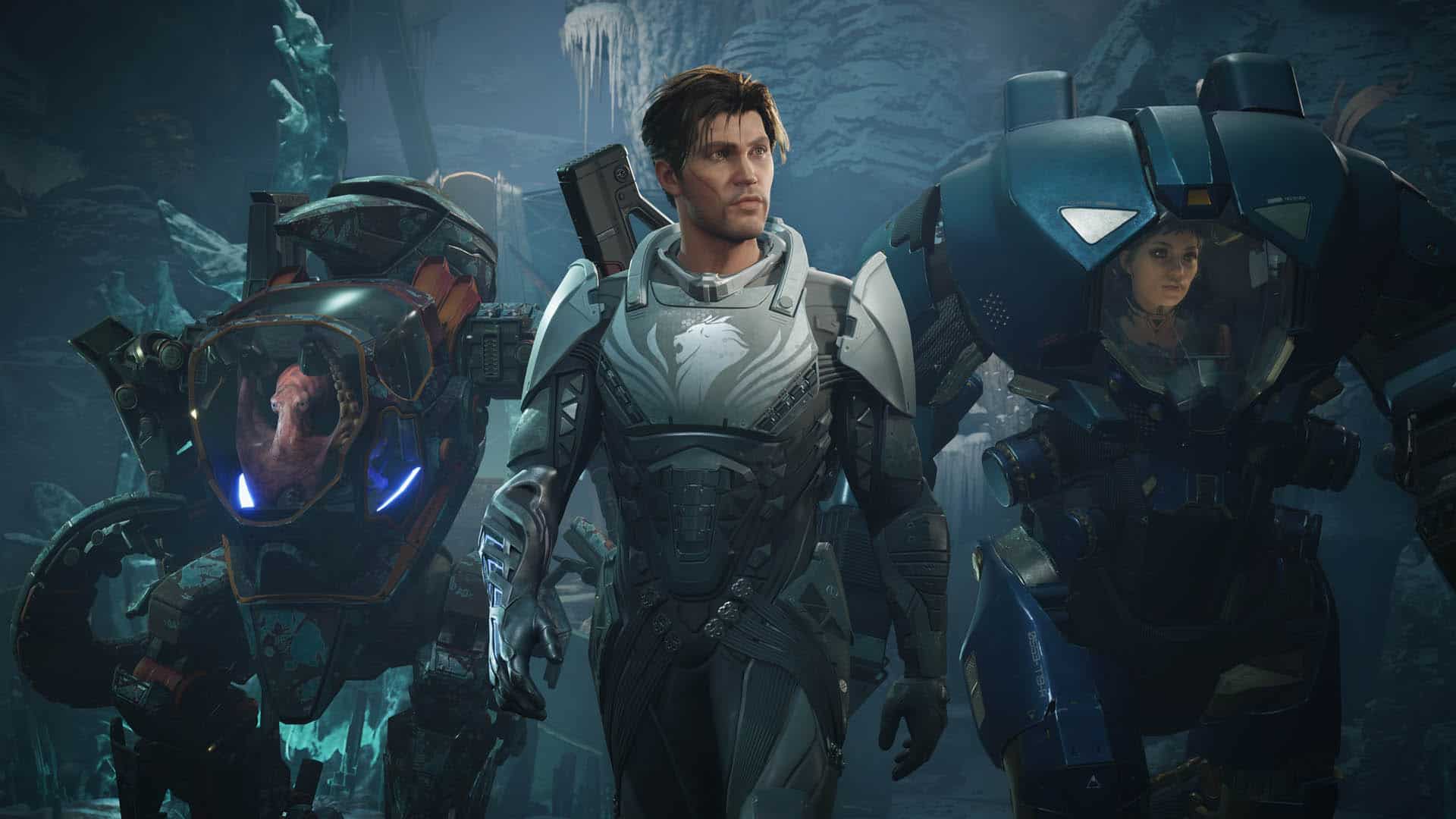
Since Archetype Entertainment announced the sci-fi RPG Exodus, I’ve had it on my wishlist and have been counting down the days until its release. I’ve closely followed every new piece of information, watched every trailer, and kept up with interviews and reporting on the game. Set to release on April 7, 2027, Archetype Entertainment is slowly revealing more and more details about the story and gameplay mechanics, offering a closer look into what the experience might look like. Since a gameplay reveal this past August at Gamescom, there have been several interviews with developers, which have prompted new waves of coverage on the game, including a Game Informer cover story exploring companions and romance, among other things. So as someone paying close attention to every piece of media about this game, I started to notice a pattern: every single headline mentioned “Mass Effect” in it.
Games are compared to each other all the time; I recently did it myself when trying to recommend a game to a friend. It is inevitable; comparisons give us a point of reference for something unfamiliar, and there are many reasons why Exodus and Mass Effect are being compared to each other. Exodus is a single-player sci-fi RPG with a protagonist playable by both genders, a heavy emphasis on companions and character writing, branching choices, romance, and exploration, and expansive lore. Whether consciously or by accident, it even mirrors the same marketing around its protagonist; all promotional material for the game so far has featured the male version of Jun, the same way Mass Effect used male Shepard for all promotion until the marketing campaign for Mass Effect 3. Most obviously, there are several key developers who have previously worked at BioWare and were extremely involved in the Mass Effect franchise, most notably Drew Karpyshyn, who is the lead writer for Exodus and was the lead writer for the first two Mass Effect games. The games undeniably share some DNA, and I understand that it is inevitable for both fans and media outlets to make comparisons.
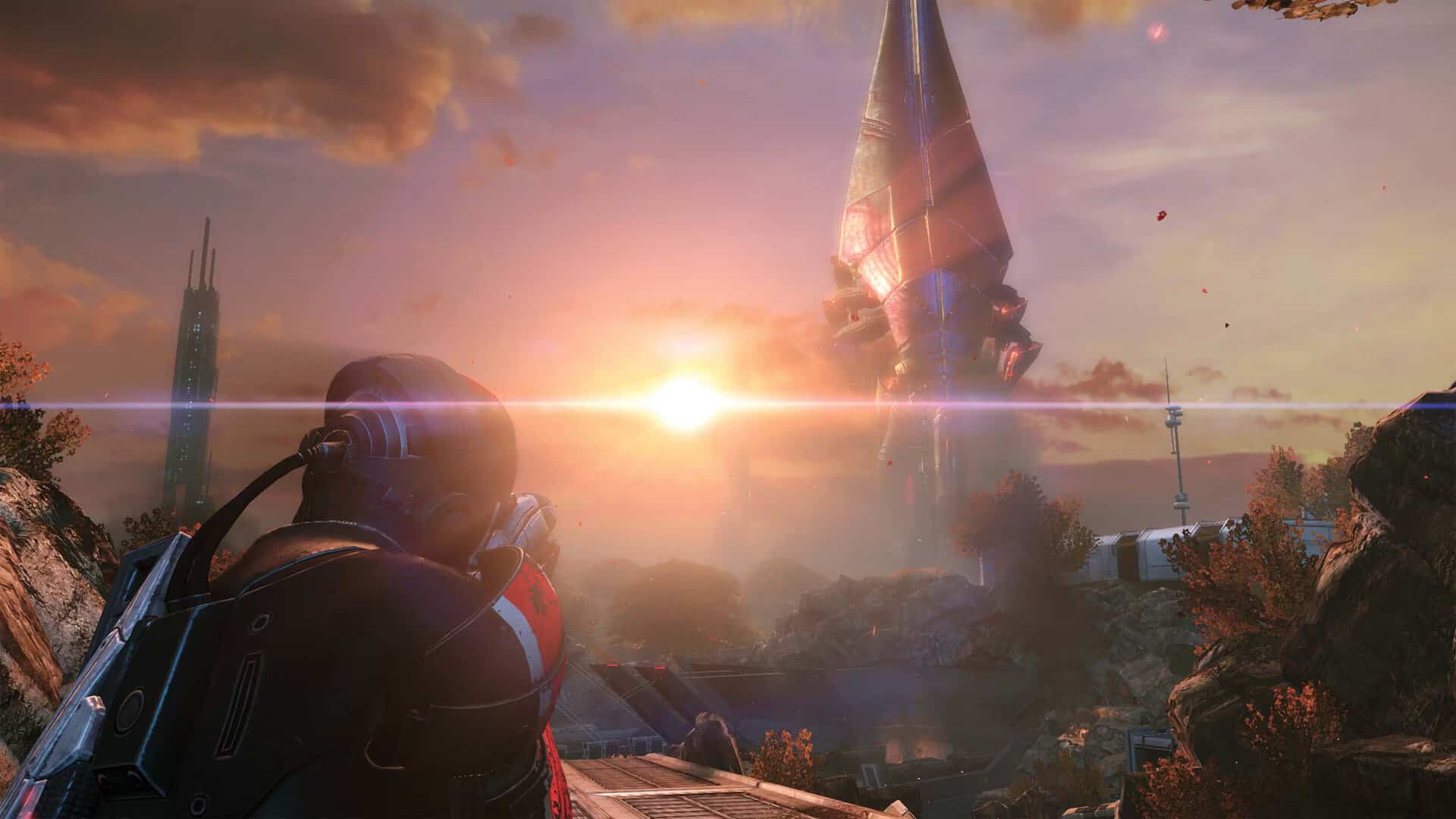
But after seeing “Exodus and Mass Effect” in the same headline for what felt like the hundredth time in a row, the comparison that felt useful when the game was first announced was suddenly making it harder for me to imagine what Exodus actually is. As someone who loves Mass Effect, I’m very excited for a new sci-fi RPG that shares similar DNA. What is concerning to me, though, is how Mass Effect is becoming the framework in which Exodus is now being discussed, not only by the media but by fans as well. I’ve seen a surprisingly large number of people online wish for Jennifer Hale, the voice of female Shepard, to also be the voice of female Jun. Exodus is not Mass Effect; it’s a new IP by a new studio that shouldn’t have to live under the expectations of a different video game before it even had a chance to prove itself.
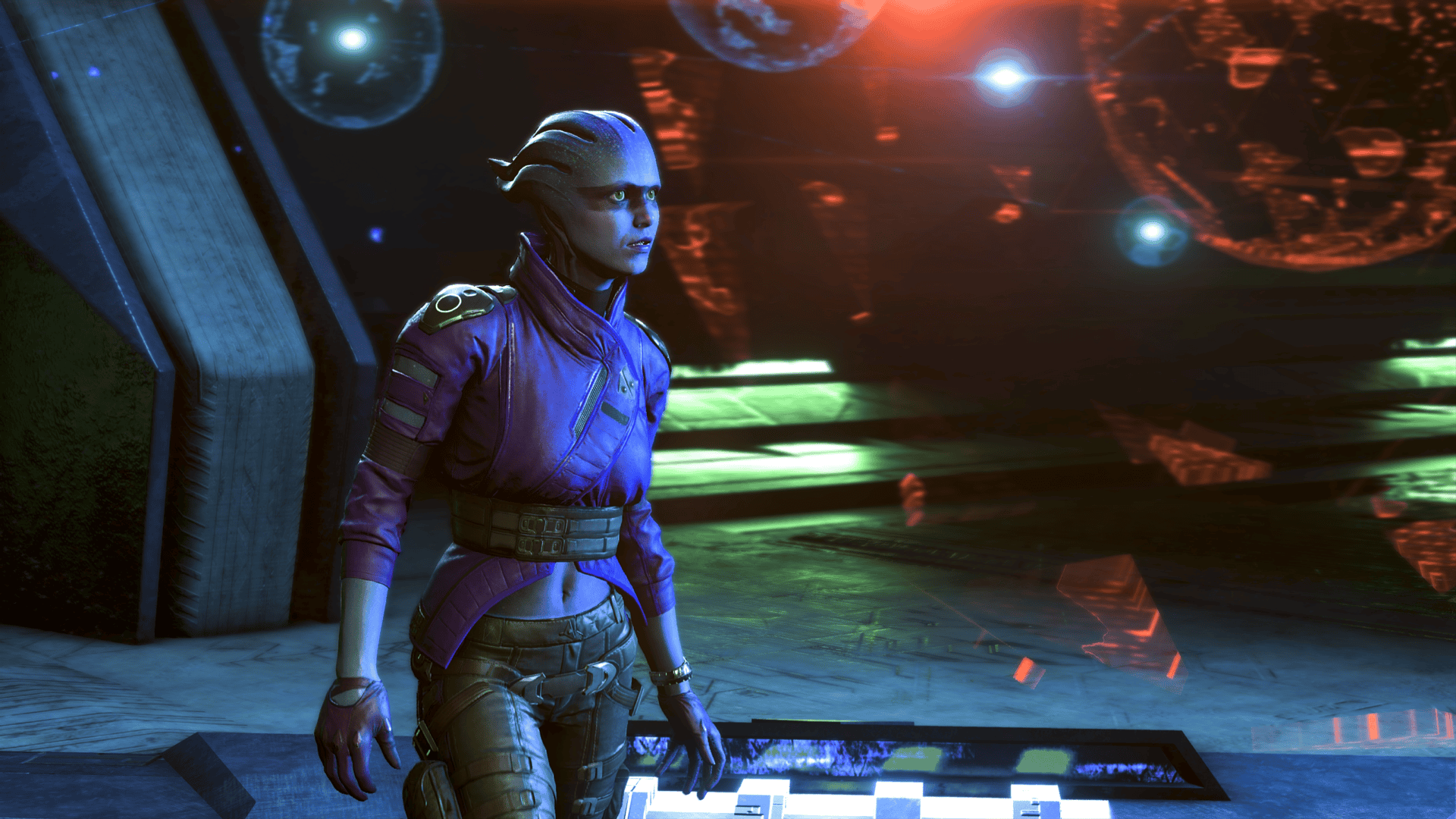
It is clear that Mass Effect is one of the most iconic RPGs of all time, and it will draw comparisons from any future sci-fi RPG after it. However, we have already seen the danger of this type of comparison. When Mass Effect: Andromeda was released, much of the conversation around it was shaped by the expectations that came from the original trilogy. Nearly a decade after its release, we are seeing a resurgence of interest in revisiting the story, with many players now reevaluating aspects of the game that had been previously overshadowed by the disappointment upon release. Just last year, Polygon published the opinion piece Mass Effect: Andromeda deserved better, which described this sentiment. It has taken almost a decade for players to move past the comparison to judge it on its own. Andromeda is a Mass Effect game, though, so its comparison to the trilogy was unavoidable, of course. Exodus, however, is already being discussed as if it had to prove itself to Mass Effect, without even being part of the franchise. The irony is that the more we insist on looking at Exodus through Mass Effect’s lens, the less opportunity we give the game to actually tell us what it is.
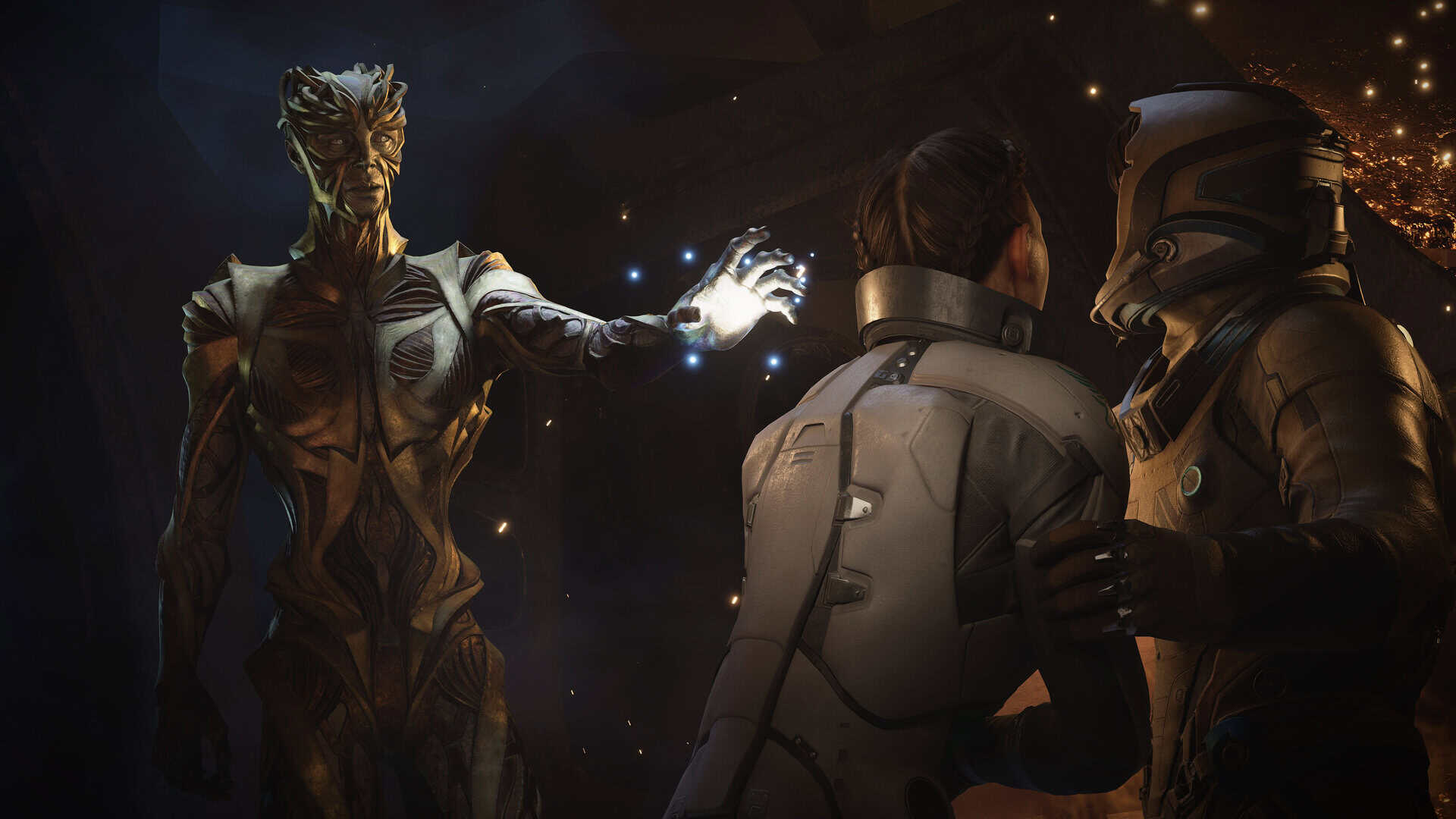
I’m not saying game comparisons are terrible; they can be useful to some degree. They can be a good marketing tool or a way to encourage someone to give a new game a chance, for example. But when comparisons become too pervasive, they are able to shape the way in which people approach a game before they even play it. They establish a specific standard against which the new game will be judged. If players are repeatedly told a game is like something else, they will look for aspects that remind them of the other game, potentially overlooking the actual unique elements the game has to offer. This opens the door for criticism to become about what a game is lacking in comparison to something else, rather than what it itself is trying to accomplish. As game writers, we should be able to acknowledge the legacy of a game and its impact on what comes after, without creating a cycle where every new release has to prove that it can live up to something that came before.
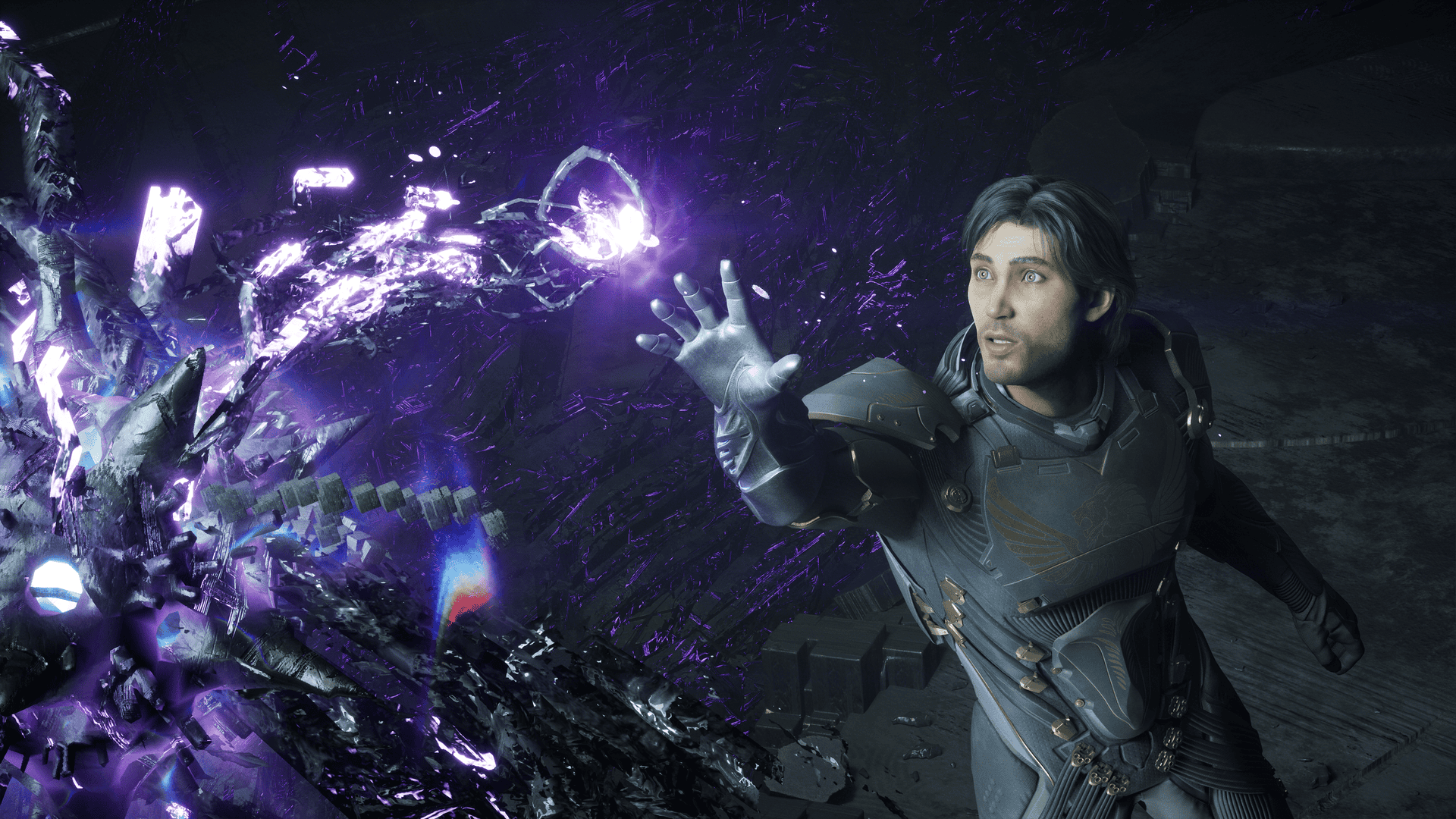
I love and miss Mass Effect, and I’m excited to see how Exodus is inspired by a franchise I deeply love, but it also can’t be the only way this game is discussed. When Exodus releases in April, I want to discover what makes Jun, the companions, the universe, and the story worth caring about without constantly looking for Shepard and the crew of the Normandy in them. Maybe it will surprise us or disappoint us; we don’t know that yet, but it deserves the chance to do either without living permanently in the shadow of what came before it.



 ObserverCrew Picks
 bserver
 bserver