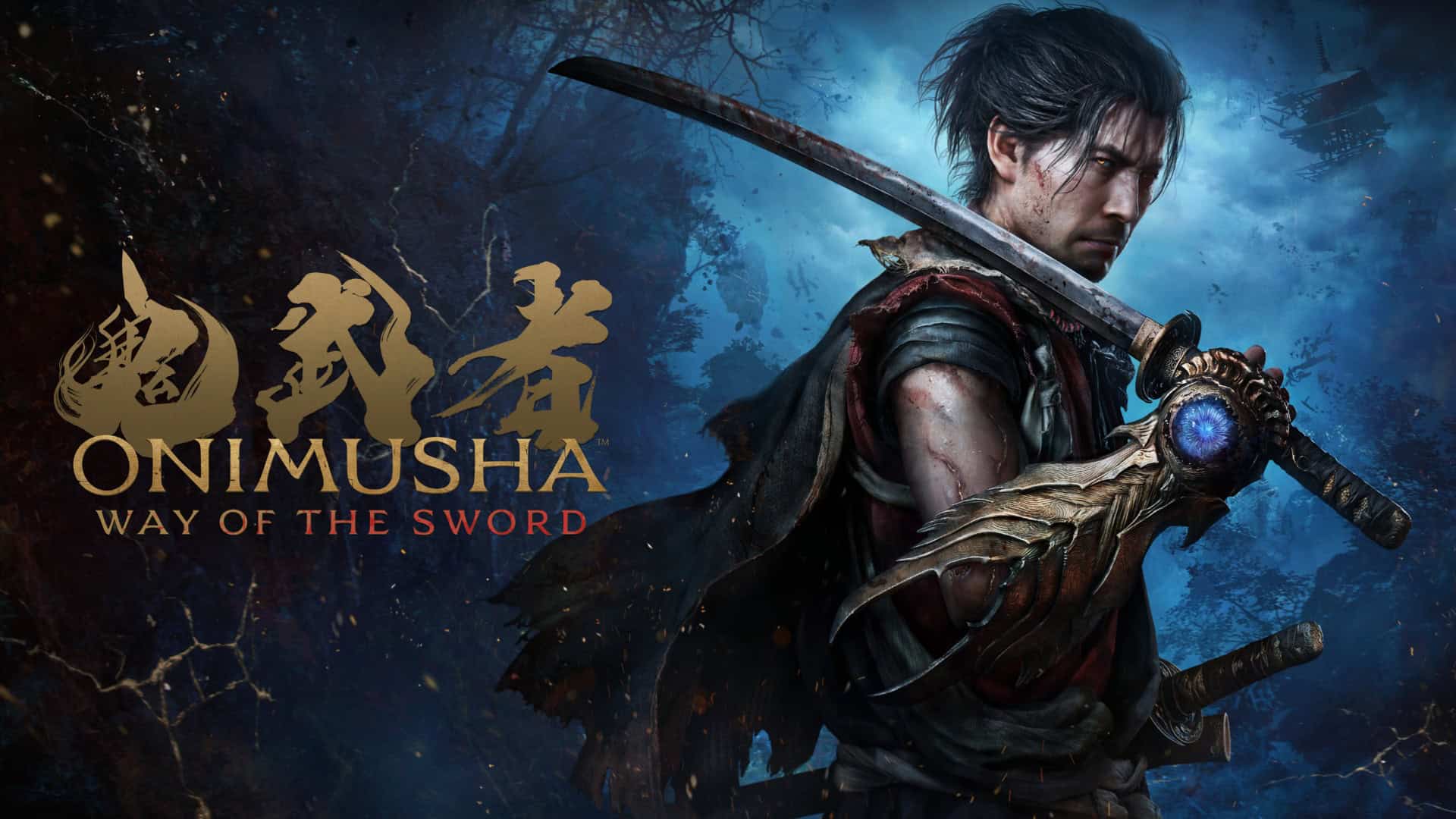
After a 20-year hiatus, Capcom has brought back to life one of its older IPs, Onimusha, with Onimusha: Way of the Sword. The franchise, known for its unique hack-and-slash gameplay and for having Jean Reno’s face in the third entry, makes a return that brings the uniqueness of the series’ combat to a modern standard. Fortunately, Capcom is very successful in this task, bringing yet another quality title in a year when they have released many high-caliber games.
Onimusha: Way of the Sword brings a new storyline and characters for the series, making this an easy entry point if you missed the previous games. You play as Miyamoto Musashi, yes, the legendary historical swordsman. While fighting one of his rivals, Sasaki Ganryu, yet another historical figure, they are both killed by the supernatural creatures called Genma. In the afterlife, a mysterious Man in White attaches an Oni Gauntlet to Musashi and sends him back to the living realm. Like the first Onimusha game, the Oni Gauntlet absorbs the souls of Genma, making the host more powerful.
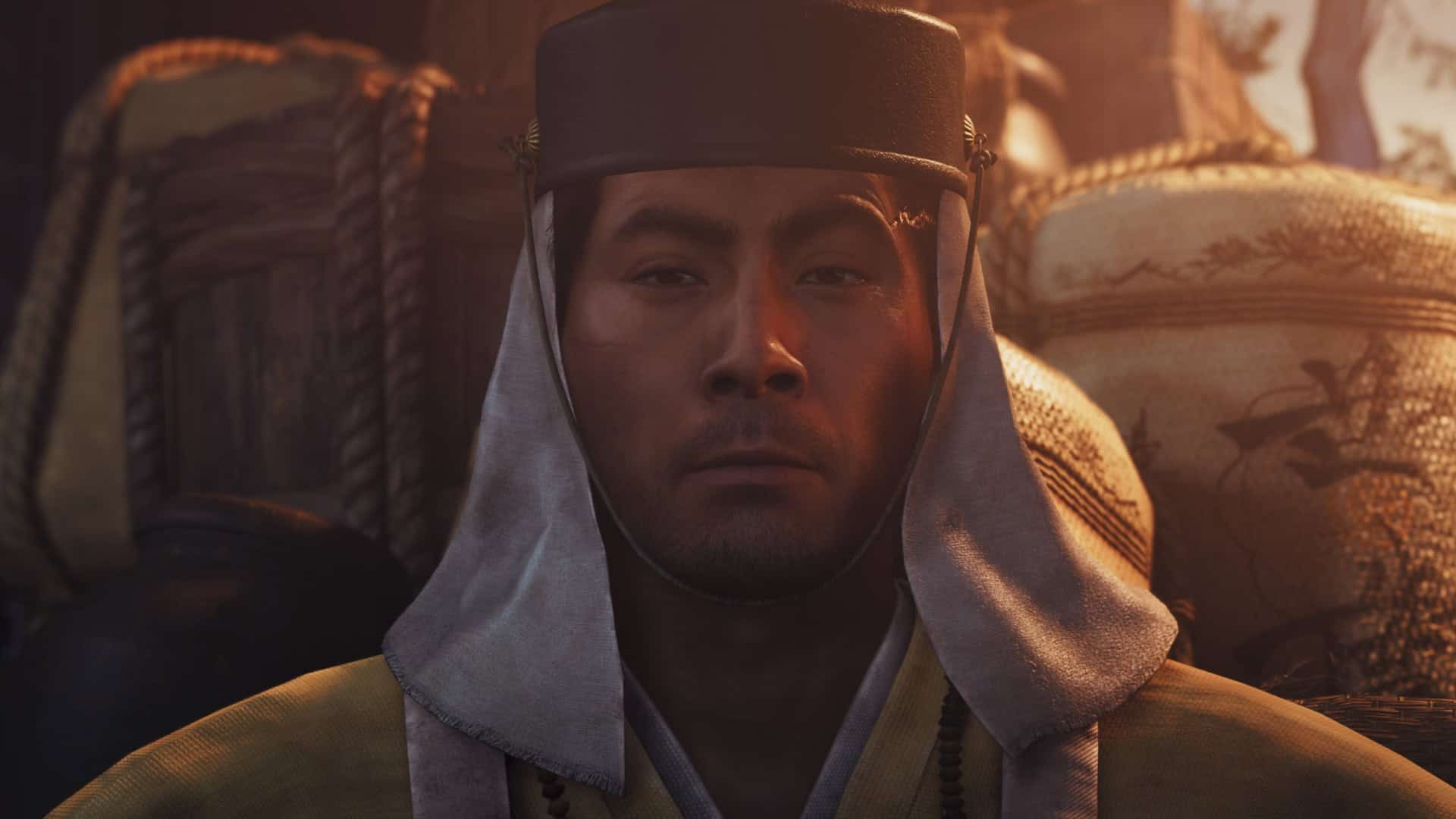
I had the chance to replay the first Onimusha recently. The story had this sort of “taking itself too seriously” issue through the narrative. In Way of the Sword, however, the series embraces this goofy side. Musashi is charismatic and fun, while having a deeper emotional layer to his honor as a swordsman. The character’s face was modeled after the iconic actor Toshiro Mifune, who also portrayed the historic swordsman and many other samurai characters. Accompanied by stellar voice acting and one of the best facial expression animations I have ever seen in gaming, Way of the Sword’s characters and storyline are among the most remarkable narratives in gaming this year. The game transmits the feeling of an Akira Kurosawa film, in video game form.
The animation department didn’t only excel in the cutscenes; the animations in the combat are among the best to date, which greatly helps in the fluidity of the gameplay. Every action has a reaction is what best describes Way of the Sword’s combat gameplay. There are so many elements in this combat system, and what is most impressive is how each connects and complements the others.
The parry, for example, brings a unique twist that goes beyond just hitting the parry button at the perfect time. With an ability called “Deflect,” you can hold the block/parry button, and then press A/X to deflect enemy attacks. So, if you are having trouble with the parry timing for a specific boss, the deflect ability is useful. Sounds easy, but the ability still requires some timing precision, and it takes away stamina. There is a dodge ability accompanied by its own combos as well. You can use environmental items to give you a helping hand in fights, and special weapons that bring unique abilities that are helpful against bosses.
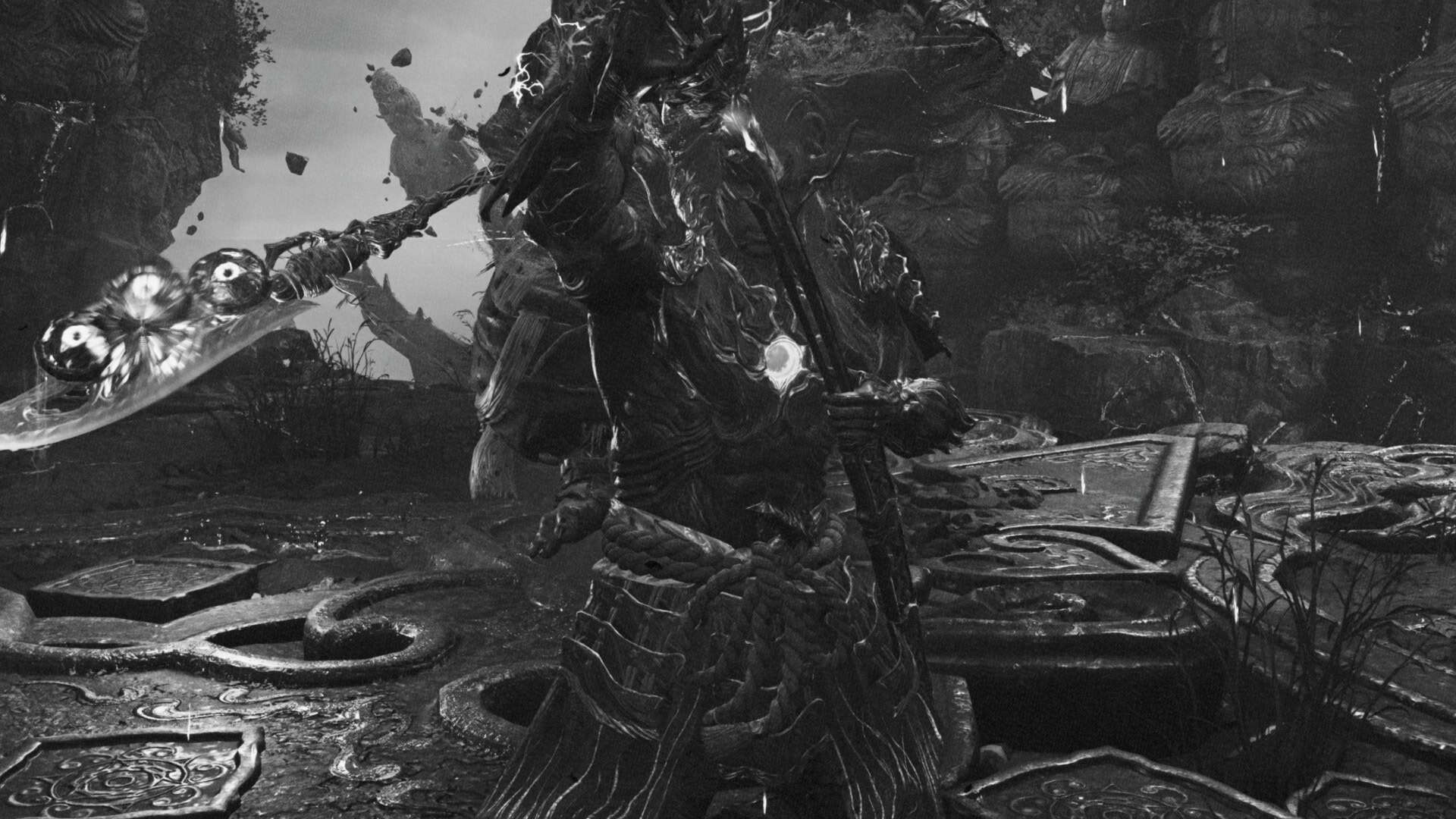
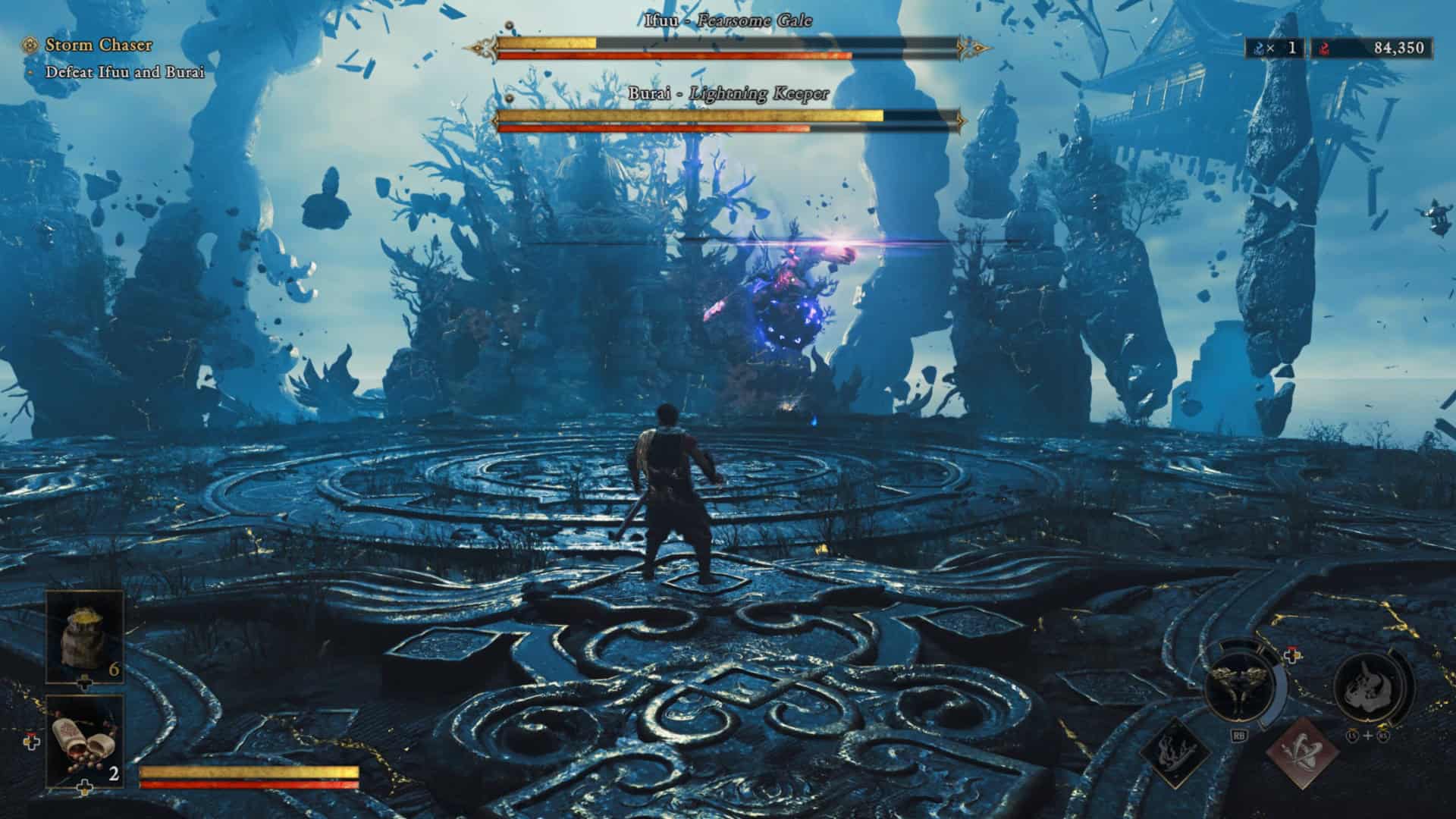
Bosses in Way of the Sword offer some of the most unique fights and dynamics in the series, and gaming in general. Each Boss offers their own attack patterns and stages that are completely different from each other, making each fight feel special, spectacular, and epic thanks to the dynamic level design that surrounds each fight. Since the game was developed with input from producers of the Monster Hunter series, it is no wonder the combat feels so fluid and engaging.
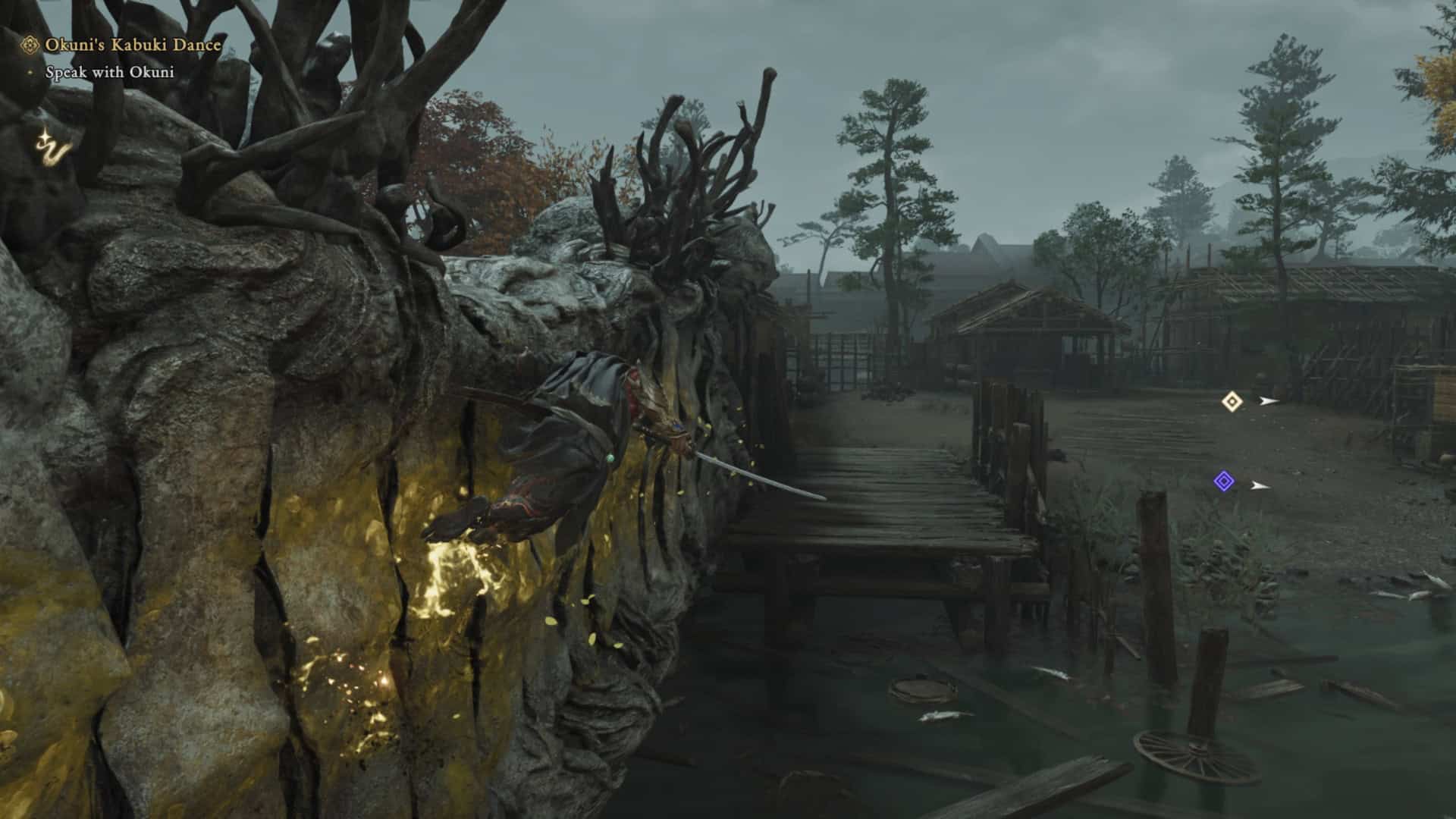
Unfortunately, the same cannot be said about some of the smaller boss enemy types and the open world section of the game. In Way of the Sword, a chunk of the game is a semi-open world section of Kyoto. Don’t get me wrong, this open level does offer some fun puzzle-like sections and enemy engagements. It does, however, offer some very basic side quests, which are mostly fetch objectives, and reuses the same mini-bosses. But since the gameplay and combat feel so fluid, it still makes the exploration of this open section enjoyable.
Exploring Kyoto will also benefit you in earning special gear and XP for many of the abilities the game offers. Believe me, there are many things to upgrade, and all of them benefit the swordsman playstyle even further. You can upgrade armor, swords, special weapons, combos, abilities, and more. You can even customize the outfits of Musashi and his companions. The sword’s appearance is tied to customization, too. Personally, I preferred the original game’s method of the sword changing appearance depending on which ability it offered: fire, electricity, etc. Here, there’s only one sword, which does offer some special effects depending on the combat situation, so this change wasn’t much of an issue.
If I could describe Onimusha: Way of the Sword in one word, it would be fluidity. Seriously, the way that combat, animation, story, and every other element blend is simply inspiring and captivating. Even in the slower-paced open world section, this flow keeps the game interesting, and I am sure that the boss fights will go down in gaming history as some of the best and most original. If Capcom needed a sign for whether they should bring back dormant IPs, then I am confident this was the perfect messenger.
Walter reviewed Onimusha: Way of the Sword on PC with a provided review code. This review is based on the version of the game that was available at the time of writing, and our score will not be changed.
- Score
- 9/10 OUTSTANDING - GAMEOBSERVER RECOMMENDS
- Summary
-
Walter says: Onimusha: Way of the Sword is back with its iconic action gameplay, which feels better than ever, and with a narrative that is not afraid to embrace the series' fun side as well as its serious themes.
- More
- GameObserver's Review Policy




 ObserverCrew Picks
 bserver
 bserver