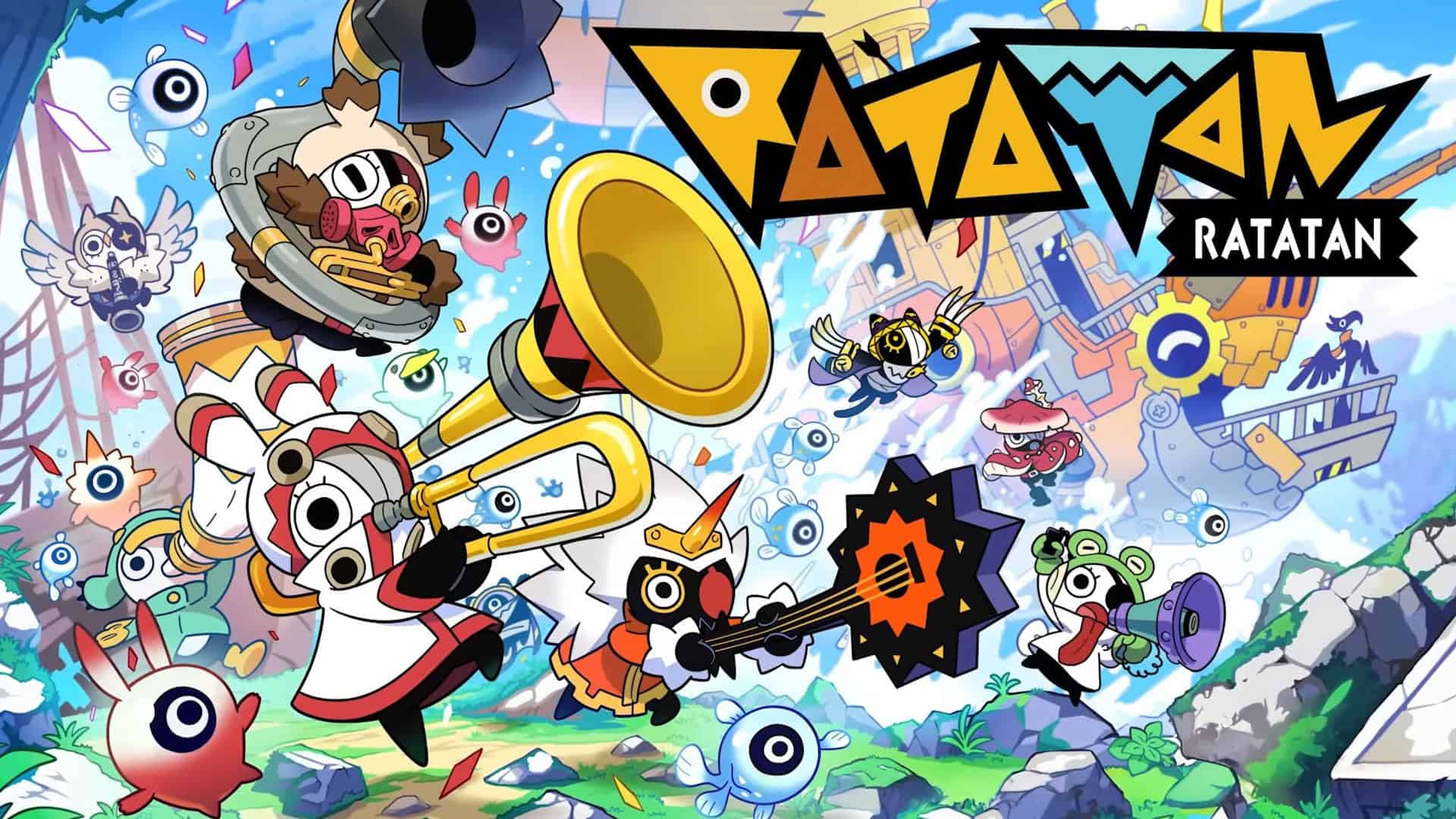
When I started reviewing games a couple of years back, young and naive as I was, I immediately gravitated towards one of my then all-time favorite genres: roguelites. Fool as I was, completely disconnected from the scene, I did not understand the shift that occurred. It was truly a whole new randomized world. Somewhere during this change of guard, the rhythm-game legend Hiroyuki Kotani saw an opportunity for a spiritual successor to his most beloved series. Thus, we arrive at the full launch of Ratatan.
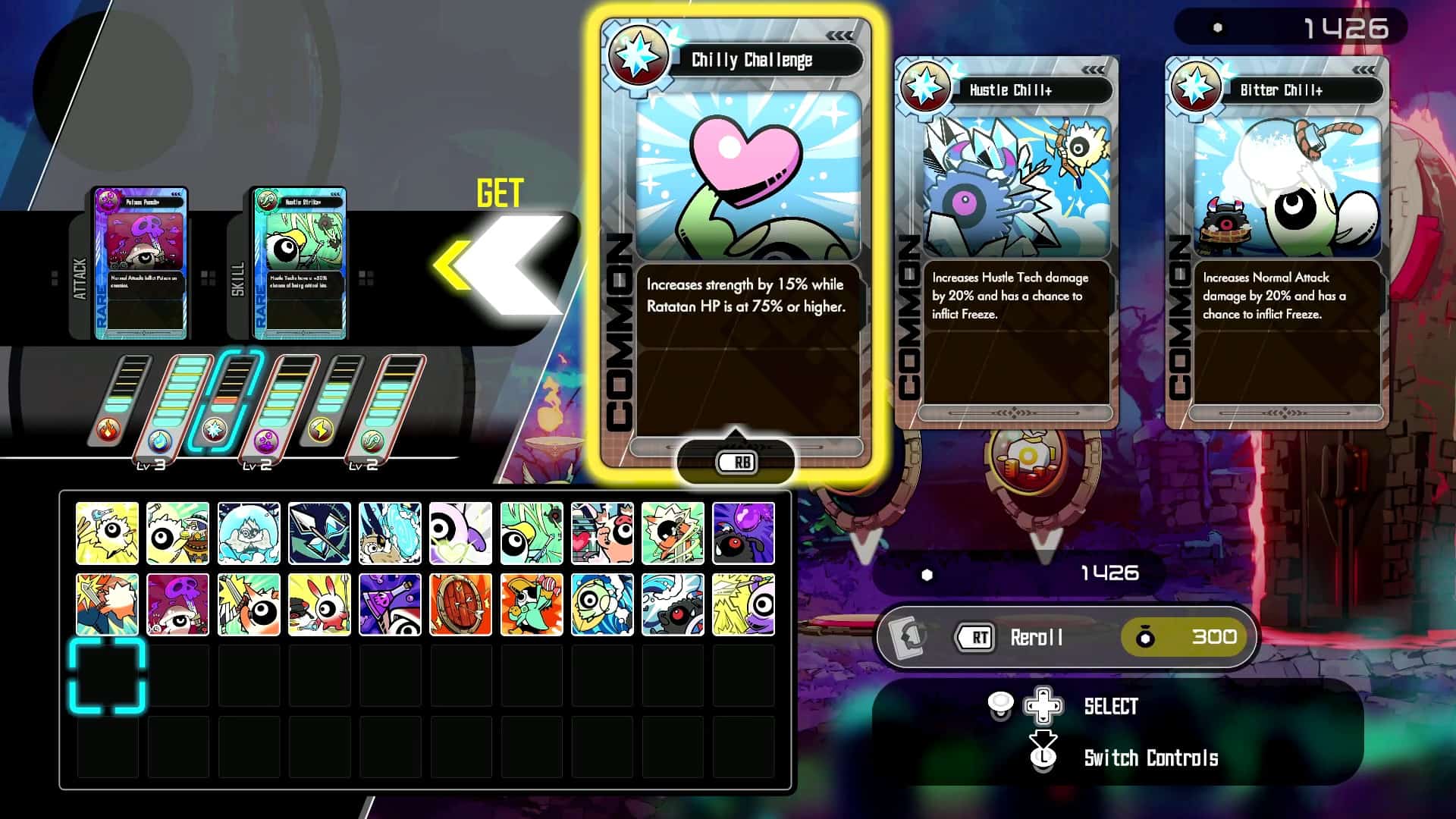
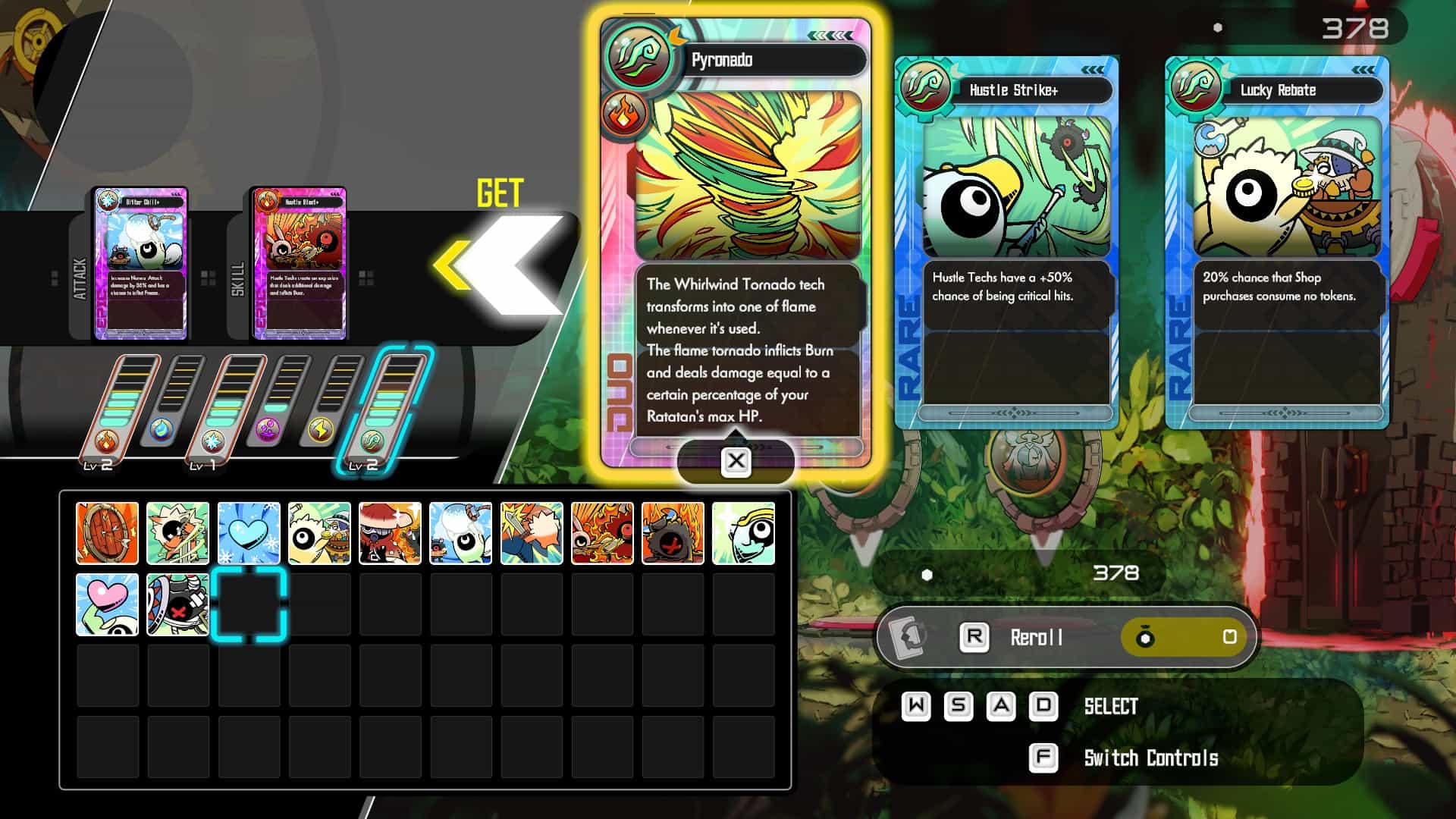
Story events told in bits and pieces during runs, pick-and-choose upgrades as opposed to the use-what-you-get playstyle, and relentless meta-progression for all sorts of stats. That’s the recipe for the sea of roguelites that I got to know all too well over the past few years. A structure that allows for ideas to quickly find form and depth—even if often underwhelming. Yet, for Ratatan, a spiritual successor of Patapon, it genuinely seemed like the right fit. The original’s RPG upgrades elemental damage, and rarity-tiered equipment often led to grinding. Why not add more randomization into the mix?
For those unaware of what this mini-genre entails: Patapon and Ratatan are rhythm action-strategy hybrids where a leader commands an army of diverse units through 2D levels with their song. Commands such as attack or defend are performed by timing up to four inputs in a row. Staying tightly on rhythm provides benefits, while failing to provide or time correct inputs may lead to disaster. Though I’ve only dabbled in Patapon a bit, I’ve always admired the little series that unfortunately fell to the wayside, doomed to only ever see success on Sony’s handheld.
During Ratatan’s Early Access launch back in September 2025, I finished the available chapter optimistic about the game’s future. The grind was already rearing its head, but the inclusion of co-op multiplayer made it surprisingly breezy. Popping into a game to clear a run with people would become my daily dose of chaos for a while. During the Early Access period, the developers at Ratata Arts and Tokyo Virtual Theory added one more episode, but with two more coming at the 1.0 launch, completing the story, I decided to leave everything past the first episode for an eventual return. This proved to be a mistake.
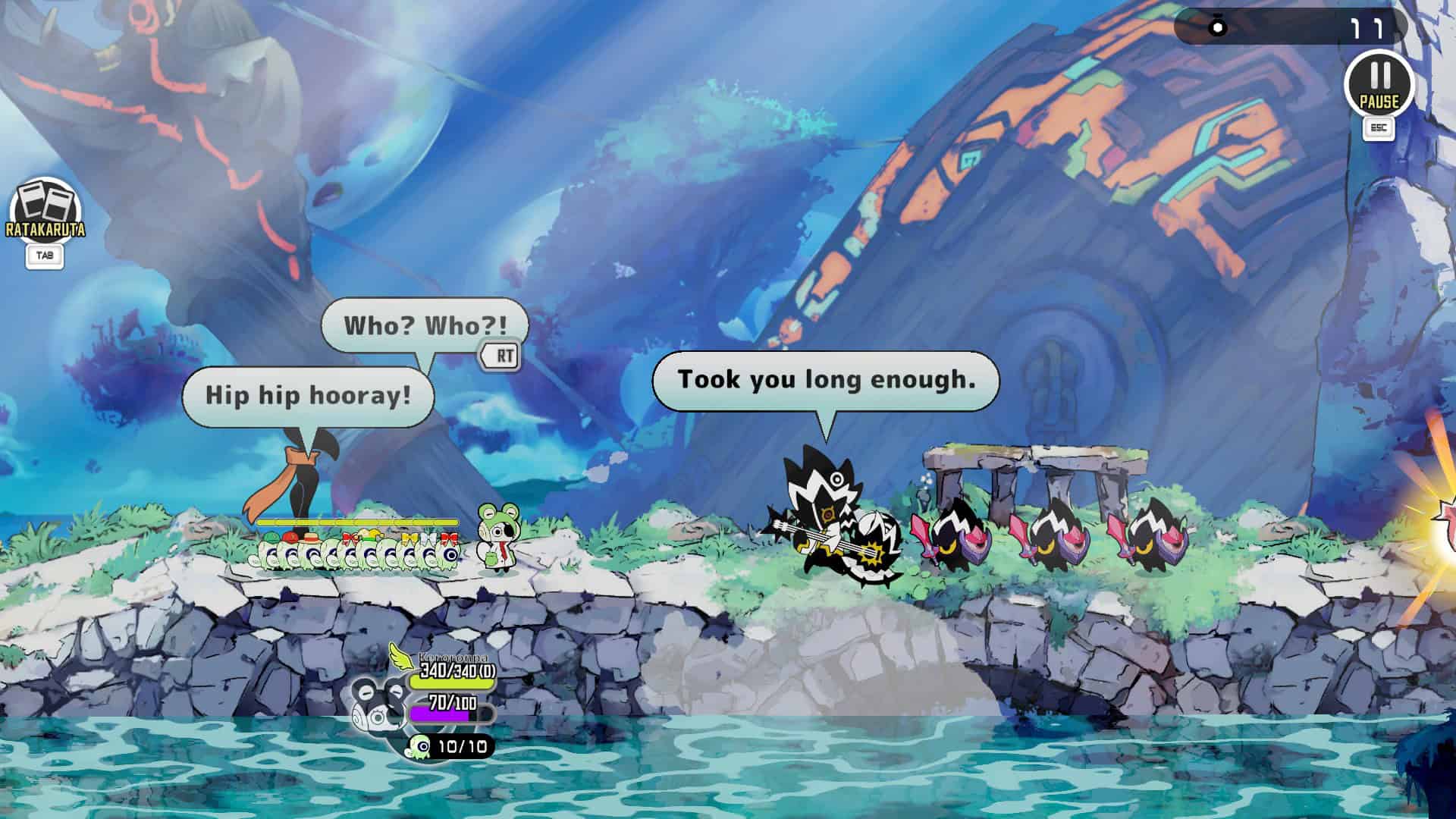
Ratatan does not have much of an idea for itself past that first Episode. Story-wise, you see the introduction of Dark Ratatan, a rival group to your own, and the encounter with the Goddess that hid behind the closed door, but what that means for you is going through the same five levels again and again. And again. I cleared the first Episode in September within 10 hours. My final time with Ratatan is just short of 60.
What’s been added since I last played? Eleven new bosses, the most powerful cards of the game’s elemental damage system, and mythic weapons. Certainly sounds great, but maybe not 50-hours great. Truthfully, I don’t think it was meant to last that long. It only happened because Ratatan copied the building blocks of a roguelite thoughtlessly; the structure doesn’t accommodate the game, and neither does the game accommodate the structure.
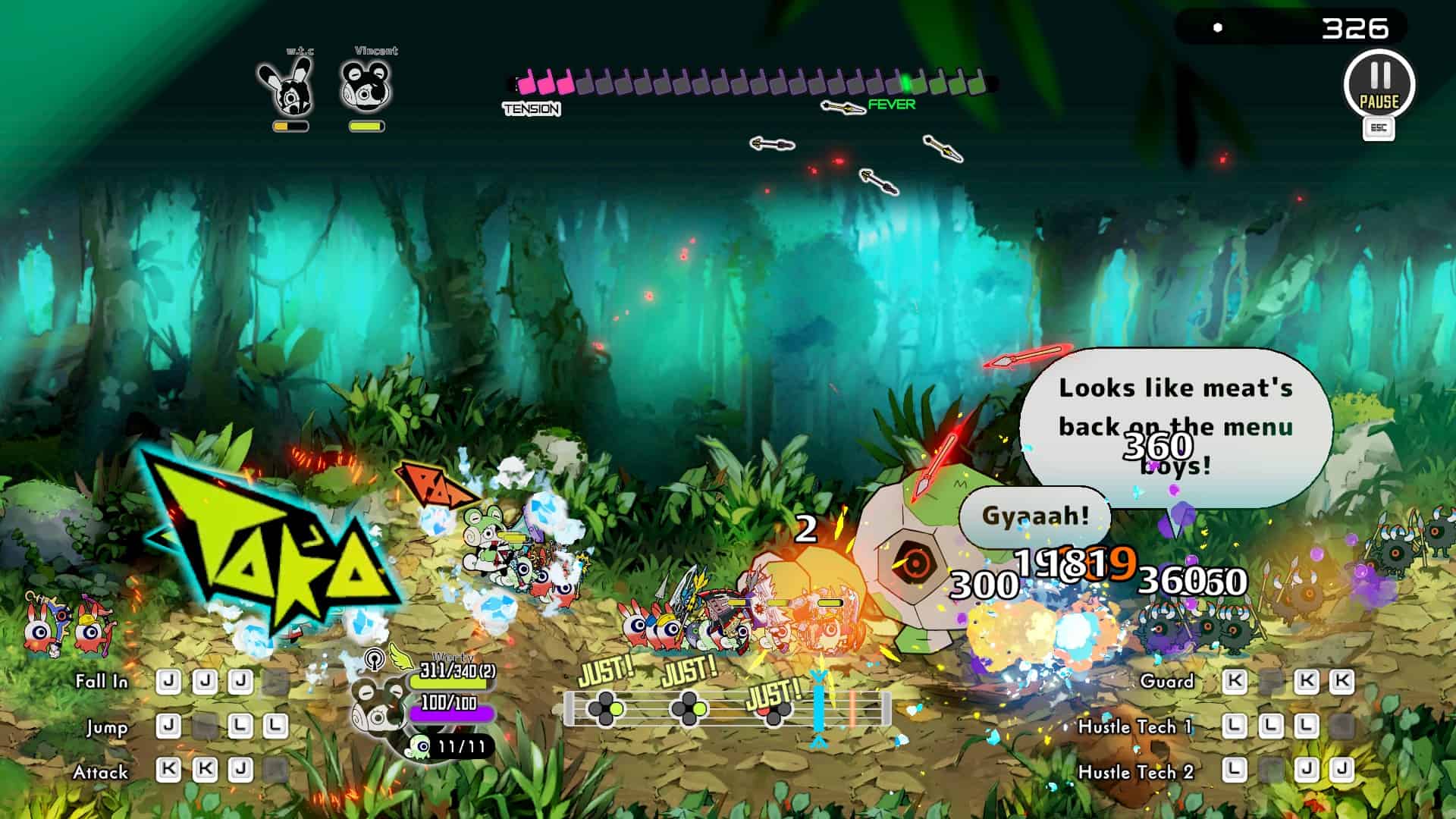
Your first few runs of Ratatan are likely not to show any signs of this. It’s just pure joy to go through this bright, colorful game, interacting with mechanics that haven’t seen the light of day in 15 years. Kemmei Adachi (Patapon, Astro Bot, Freedom Wars) absolutely kills it once more. The entire Patapon series is largely inspired by children’s songs, and that still comes through here, with marching-band themes even in the soundtrack’s most exciting moments, punctuated both by the track’s own childish vocals as well as your Ratatan’s own shouts, followed by your Cobun army repeating them energetically. Simple concepts executed with overwhelming energy.
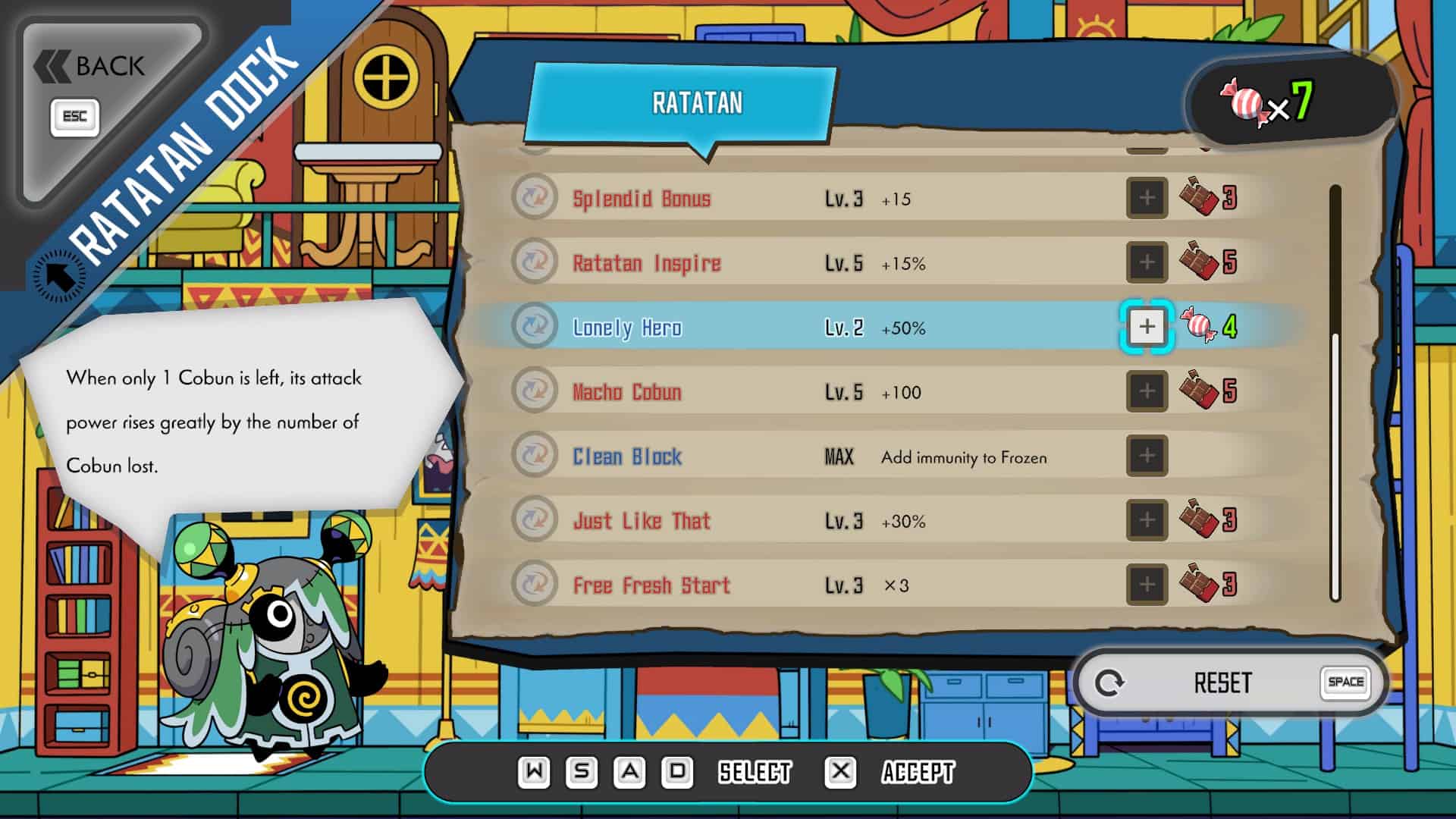
Third world’s boss, Lord Rosham Bo, and the ones after are all damage checks and should stop players for a while until they gather enough weapons and stat upgrades using the materials gathered during runs. This helps balance the later episode away from serious difficulty spikes. Ratatan also does a better job than most when it comes to having the player select between meta and in-run progression. Each world starts with a choice between candy and donuts, but eventually the meta progression will push you towards the latter by having them heal you upon pickup, but you do need to gather candy to upgrade that and other stats first.
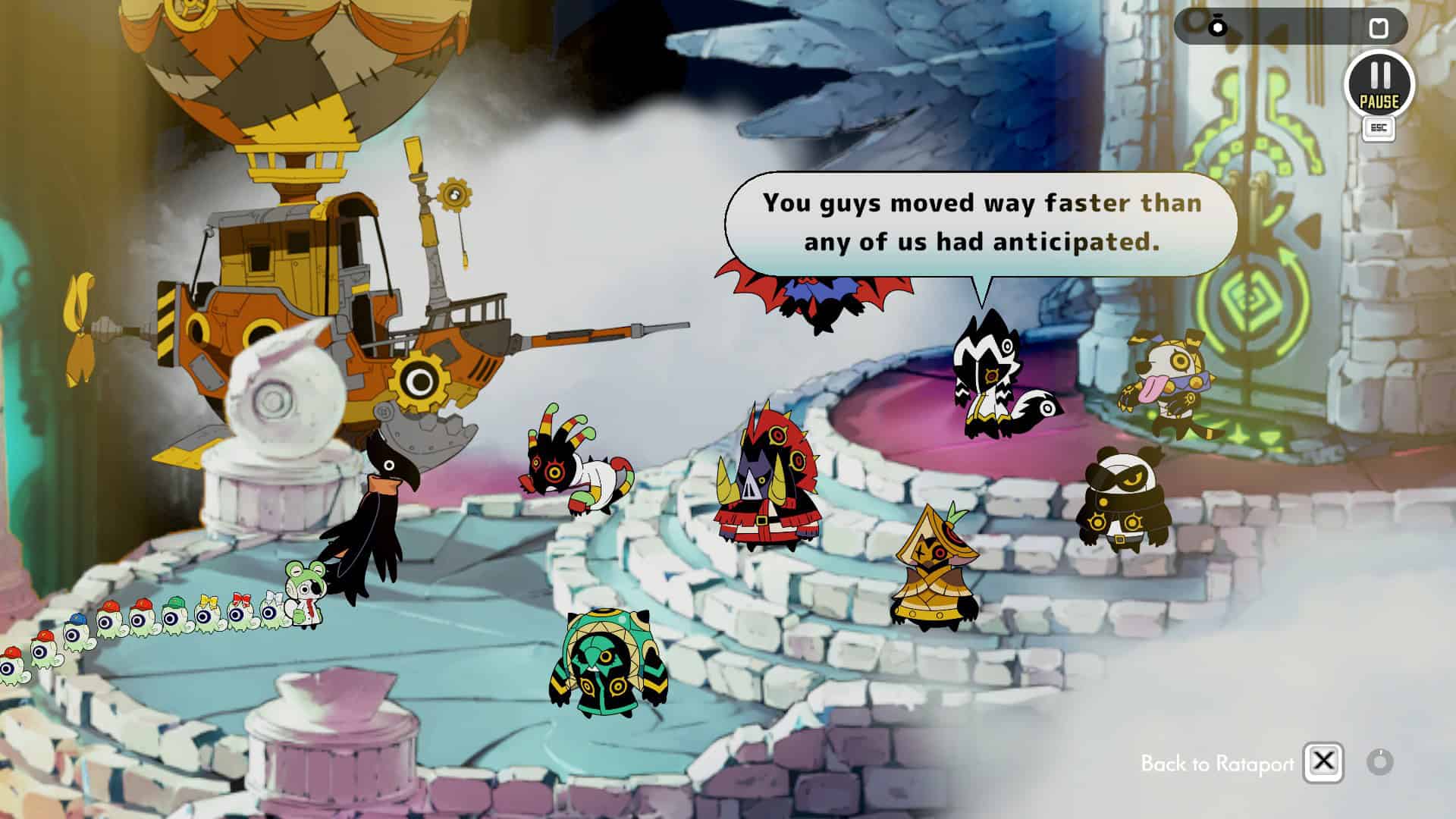
Episode Two’s start made me excited to jump back in. The Dark Ratatan designs ride that line between cool and silly that Ratatan as a whole nails completely. Their personalities range from a gambling addict who rolls for too many risky upgrades like a true roguelite pro to a crazy scientist who keeps wanting to witness your skills during challenge rooms. All, like your Ratatan, commandeer their own army of Cobuns using unique instruments.
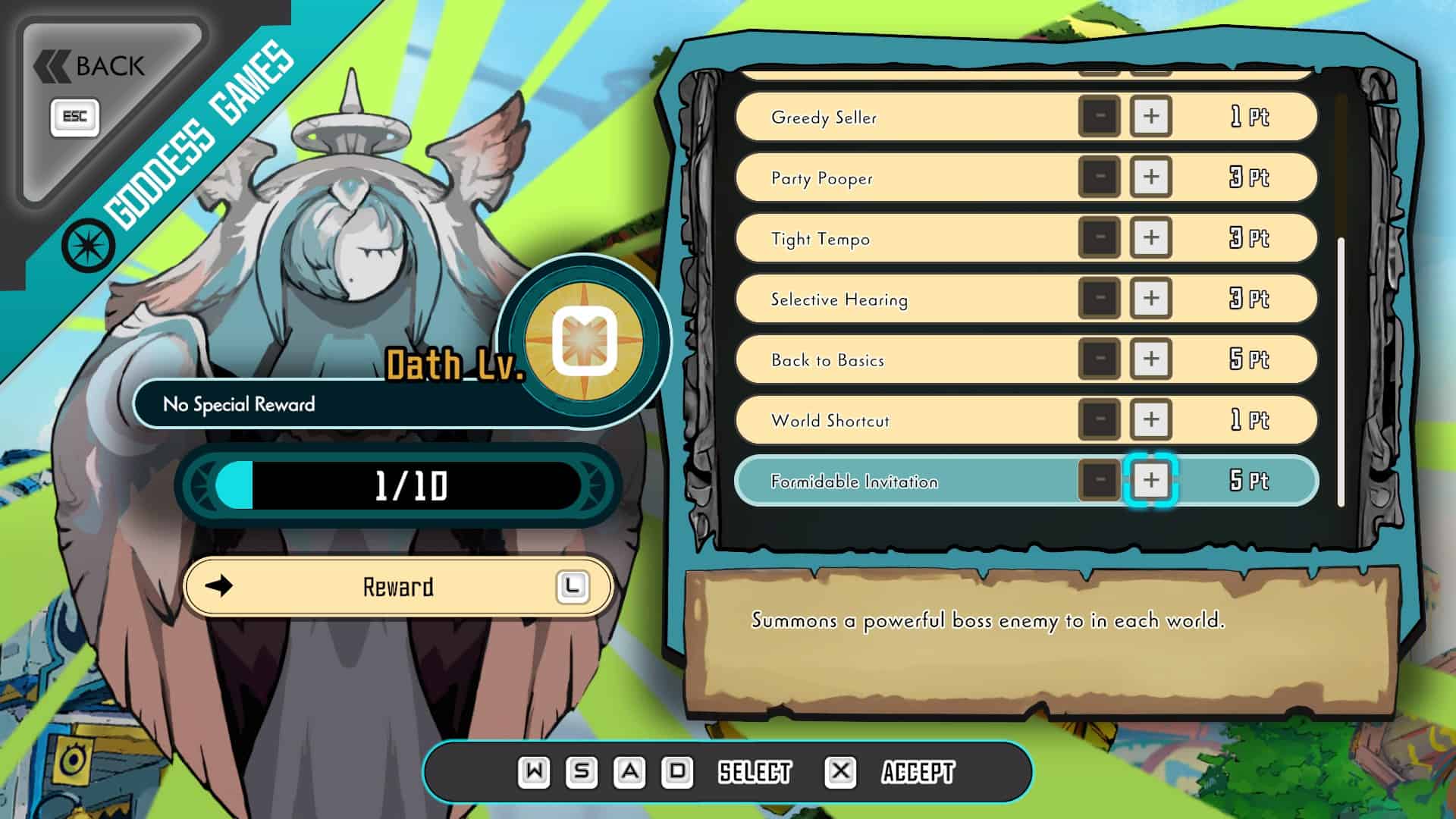
To access new episodes, you must set your Oath level in the Goddess Games one tier higher than in the last episode. Oaths are optional challenges that provide new rewards the higher tier you start your run with. It’s a bit overwhelming at the start, but I quickly realized just how well they work at changing up the whole game. Having your Motivation Power (required for executing powerful attacks) reduced on each screen makes electricity, which largely focuses on restoring or cancelling the attacks’ cost, a top-tier element. Even the seemingly dry ones, like giving enemies more health, end up shifting your strategy towards dealing damage over time with poison, while giving them more damage pushes for more defensive options like water’s barriers.
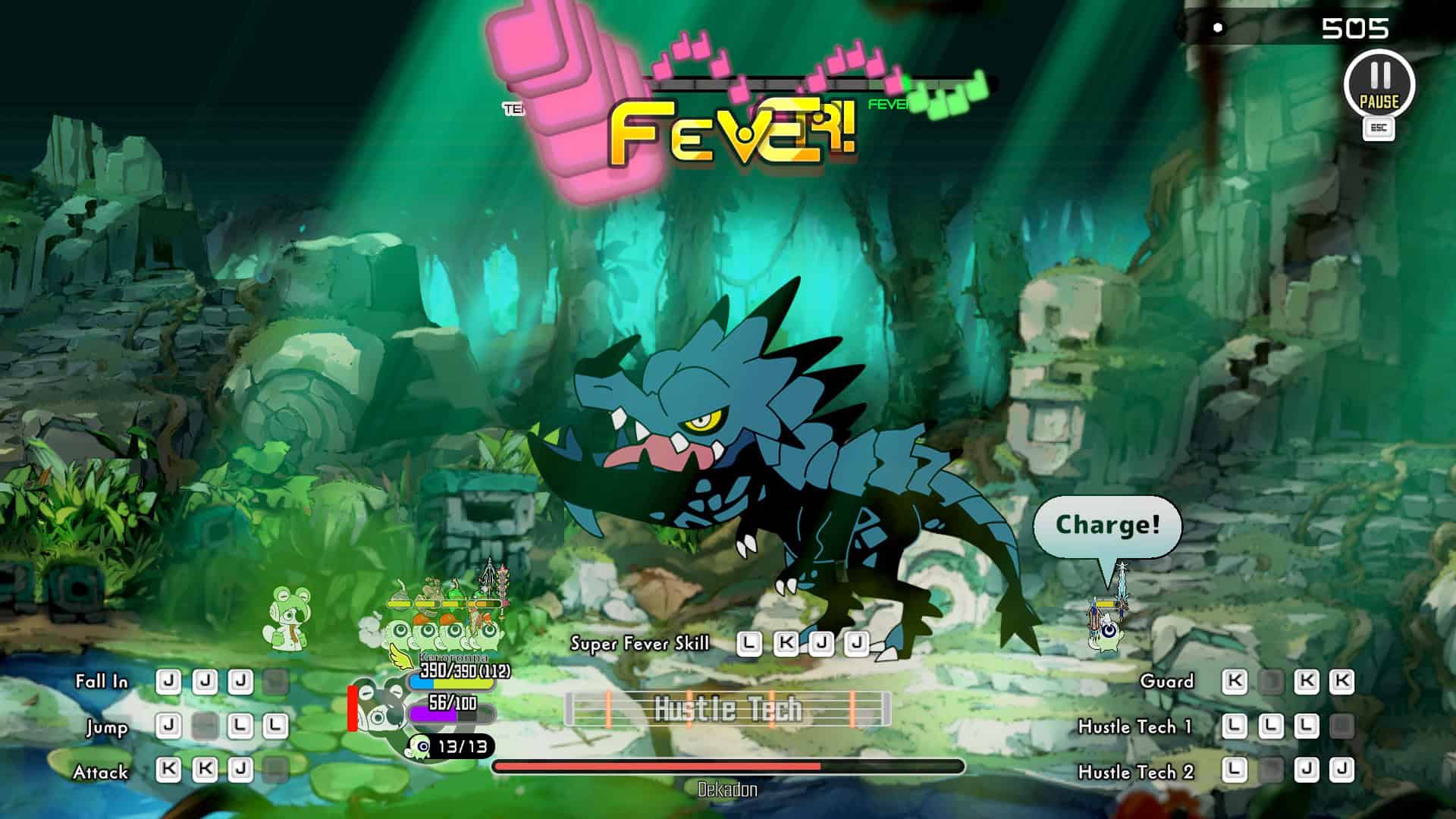
I went back into the first episodes to unlock different units for my main Ratatan. After beating the World Five boss with a character, you unlock one of their weapon types for everyone else. I was not a big fan of this—it makes each character feel less impactful if only their special Fever Attack, available by staying on beat, is what differentiates them mechanically—but I did need more long-range units to be able to hit flying enemies more consistently.
I beat the second episode after changing up my army, and assumed maybe that’s how I’d get one of the five items needed to progress. Nope. Huh, how curious. I go again and, once more, nothing. And again. No results. You can even randomly encounter some Dark Ratatan as replacement bosses, but those encounters also don’t drop anything new. Without a clue of what the requirements are, it took me 34 HOURS to move from Episode Two into Episode Three. 14 hours split between two more episodes later, and I finished the game.
So, what were the progression requirements? It’s random encounters tied to specific rooms/events that can happen during a run. Meet the same Dark Ratatan five times, and you’ll get to fight them for one of the required items. Is there any way to get them to appear more consistently? No. It’s just luck. Only one of them is even semi-controllable, appearing in rooms you can select yourself.
This gets even worse when you realize Ratatan does not have enough events to split between all eight of the Dark Ratatan. This means that even if you completed one of their requirements, they can still spawn in place of the character you need. Two of them appear during randomly placed timed chest challenges, two appear in events where all the enemies in a given segment instantly evaporate, two appear randomly during safe segments, and two appear in the lottery rooms. Some of these can appear very late into a run, so you might go through half an hour only to realize you’ve not made any progress on your pursuit of the Dark Ratatan you’re missing.
I spent days without any progress. Then, during one run, I gathered four in one go, without even realizing that this was tied to the number of encounters I ran into. Then, another day without anything. I had no idea why I got what I got, or what I was missing. Was the expectation here that I’d be able to count each time I met a character over hours of different runs and figure out the connection? Seems I wasn’t the only confused one, as the developers had to issue an answer on the game’s update page, detailing how to complete the Episode. When I finally learned about the requirements, I kept restarting the first world to get my desired encounter faster. I was already too strong; I didn’t need to be held back by luck for even more days.
Not even multiplayer helped alleviate the issue. In fact, all the different requirements and late-game weapon bonuses only made each run last longer, as players I met were unable to agree on which elemental type to go for, or whether the team should always go for the Goddess Lottery rooms in hopes of encountering one of the Dark Ratatan. All this just to perish anyway while fighting the new, difficult bosses a few minutes later.
How did this happen? The Dark Ratatan were not a new addition to the full release; they were part of the Early Access period since December. In that time, has nobody thought to, I don’t know, make it so that at the very least the rarest encounters disappear from the pool if you already completed them so that the others can appear instead? And why is there no tracker for these encounters in the game? There is one on the quest board for the requirements needed to complete Episode 4, which only adds insult to injury!
A lot of this feels like a result of an “other games do it, so we have to as well” mentality that plagues the modern roguelite scene. The game has difficulty checks in the form of new bosses in place to slow you down so that you can upgrade gear and stats, so what does stalling this early episode further add if there are other ways to obtain better gear, like playing previous episodes on higher Oath levels? If there aren’t enough events to let the player control the encounters more consistently, why have five in episode two and not split them equally with episode three?
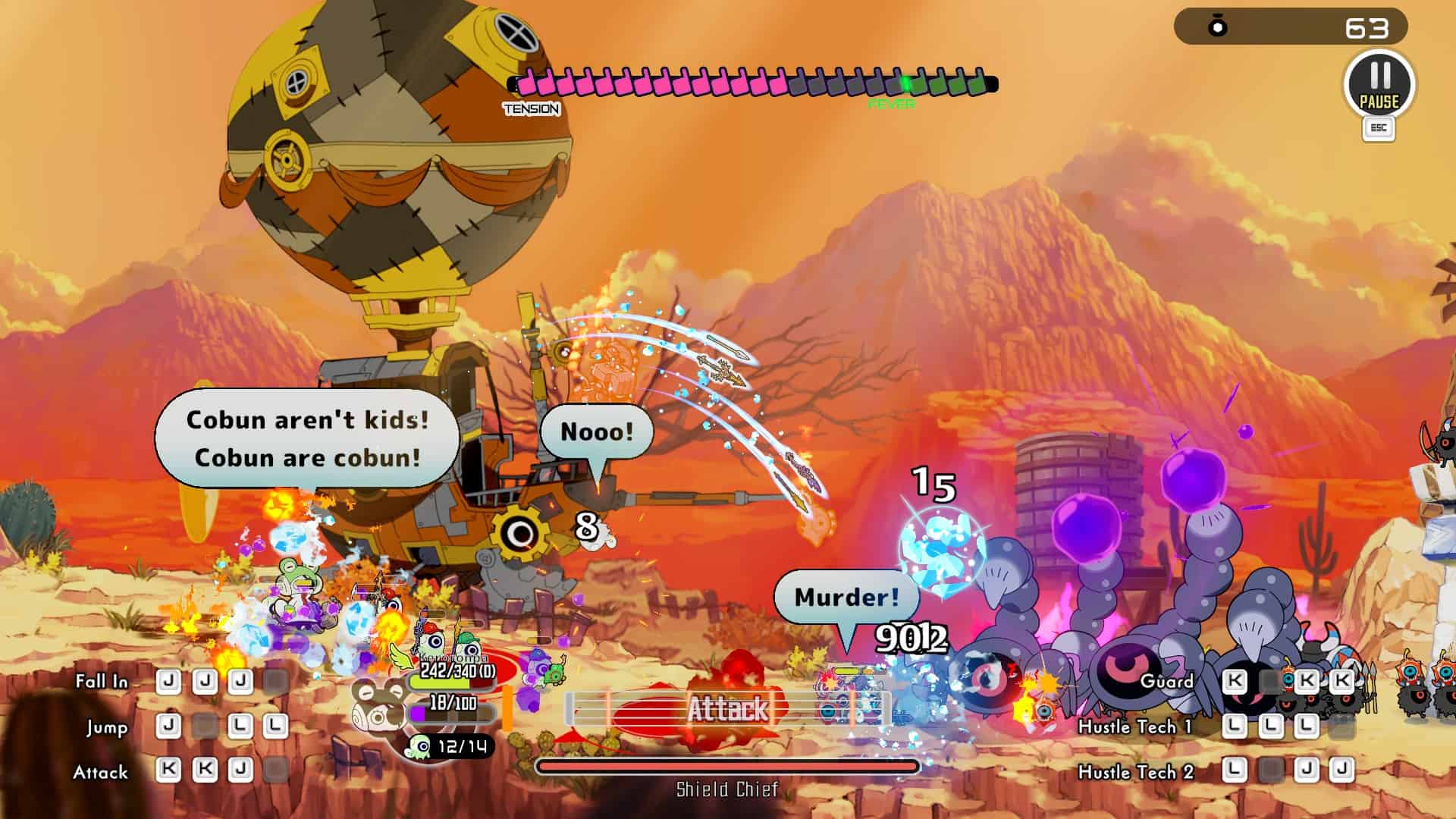
The game’s also not free from technical issues that made the entire process even crazier. When paused, sometimes the entire game will go off-beat, meaning that when unpausing, your rhythm will be counted significantly further than the visual indicator or the actual beat. I was constantly doubting whether something similar was happening whenever I started losing my rhythm. Is it me, or did interacting with that donut or a menu mess up the timing? There’s also a lot of flickering lines that happen as a result of visual effects, and one of the special attacks of the bomb Cobun, the Cobun themselves, and the item that upgrades their count, would sometimes get stuck under the floor.
Though Ratatan is bursting with personality, it completely lacks a sense of identity as a video game. This common concept of “X game but roguelite,” which for once had some roots in the original series, goes absolutely nowhere yet again. Progress is dreadfully slow due to runs requiring up to an hour if you enter a boss fight underpowered at any point, and if you don’t find what you need during one, tough luck! I’m so tired of just how little games interrogate the roguelite structure nowadays—once one of the most exciting and promising genres feels forever doomed to repeat the same mistakes, squandering potential.
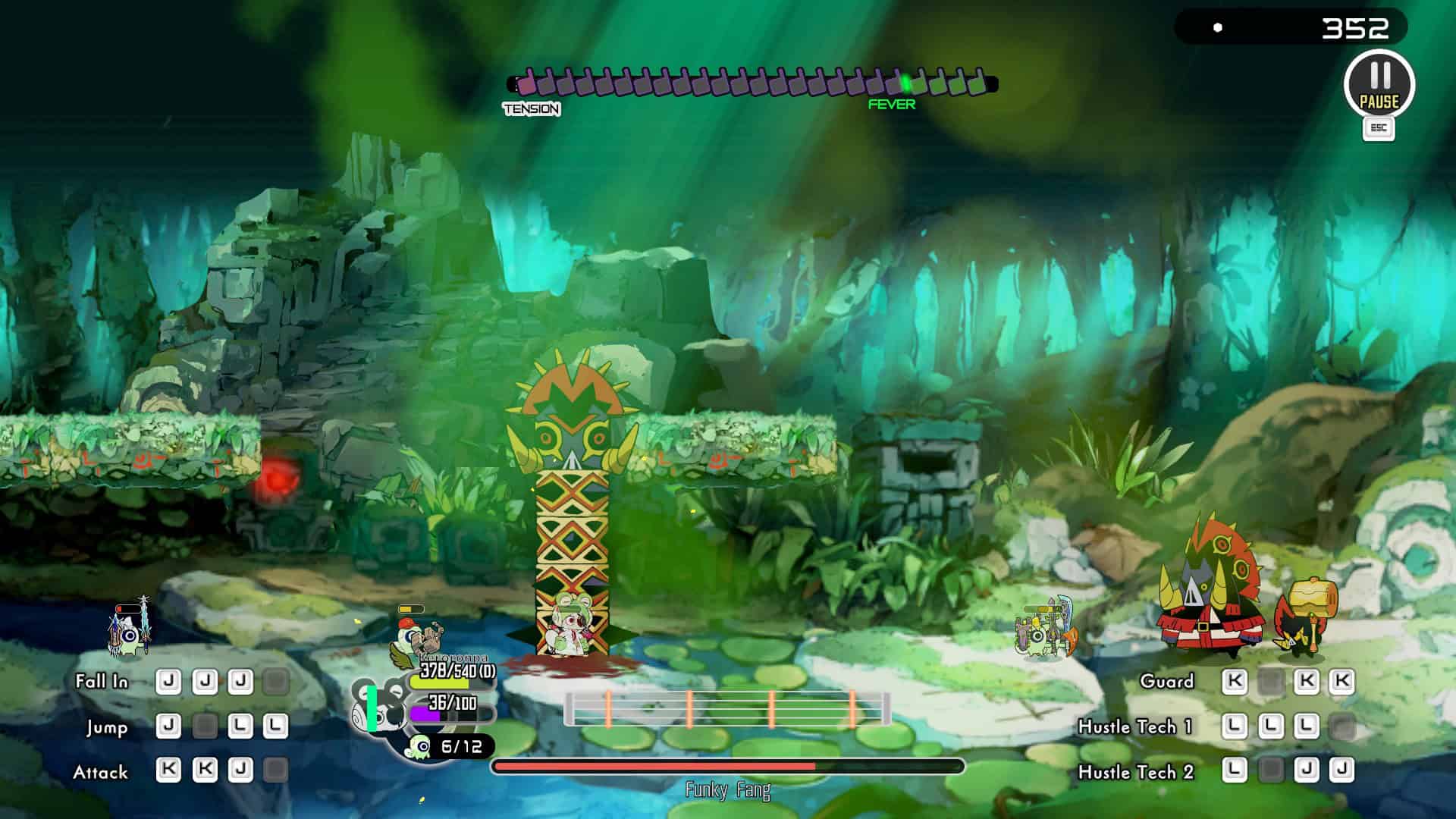
The last two Episodes are undoubtedly my favorite bits of Ratatan. The new bosses are tough, and even the seemingly uninspired idea of having to fight two of the previous bosses at once proves an often exciting challenge. They each have their own theme, and each one makes up so much of their personality. The first forms of the final boss are some of the best encounters in all of the genre. Even though the final boss has one really dumb attack, I will always remember just how locked in I was when I finally finished Ratatan.
What could have been a genre all-timer, maybe even a Game of the Year candidate following a very promising Early Access launch, ends up as just another new, messy indie roguelite. Different genre, same story: horrible lows and amazing highs. Here it’s the days of mindless runs that feel like clocking into your shift at work, coupled with the complex and varied soundtrack that’s going to be in the rotation for years to come.
I wish I could recommend Ratatan wholeheartedly, but if you really do miss this kind of game, be prepared to be at the mercy of the numbers. Who knows, maybe your adventure will be a lot smoother? Or maybe, it’ll take 10 more hours? That’s the modern roguelite dilemma. If even a game like Ratatan, which seemed like a perfect fit for the genre transition, cannot overcome it, what will it take for it to evolve?
Werty reviewed Ratatan on PC with a provided review code. This review is based on the version of the game available at the time of writing and our score will not be changed.
- Score
- 5/10 It’s Fine - GameObserver Cautiously Recommends
- Summary
-
Mateusz says: What could have been an all-timer in its own space ends up as just another messy roguelite. Ratatan bursts with personality, but lacks identity as a game among the sea of indie roguelite releases.
- More
- GameObserver's Review Policy

 ObserverCrew Picks
 bserver
 bserver