“And after the artist has been long gone, turned to dust, the art remains. And even after the last one of all humans will have returned to the primordial chaos, provided that we have protected it, Art will remain.” -Gustav, from Spiritfarer
I still often think about the student I had during my first year teaching college, the one who told me about the friend he lost to suicide. How they used to play a racing game together as kids, and how, following his death, he would race using his friend’s custom car, because it made him feel close to him. And how he would read their in-game messages over and over, because doing so made it seem like he was still alive. In the game, time was paused. They were as they’d always been. They remained connected beyond time, space, and circumstance. Beyond death itself.
I didn’t realize how much his experience would resonate when, one year later, my longtime mentor took his own life.
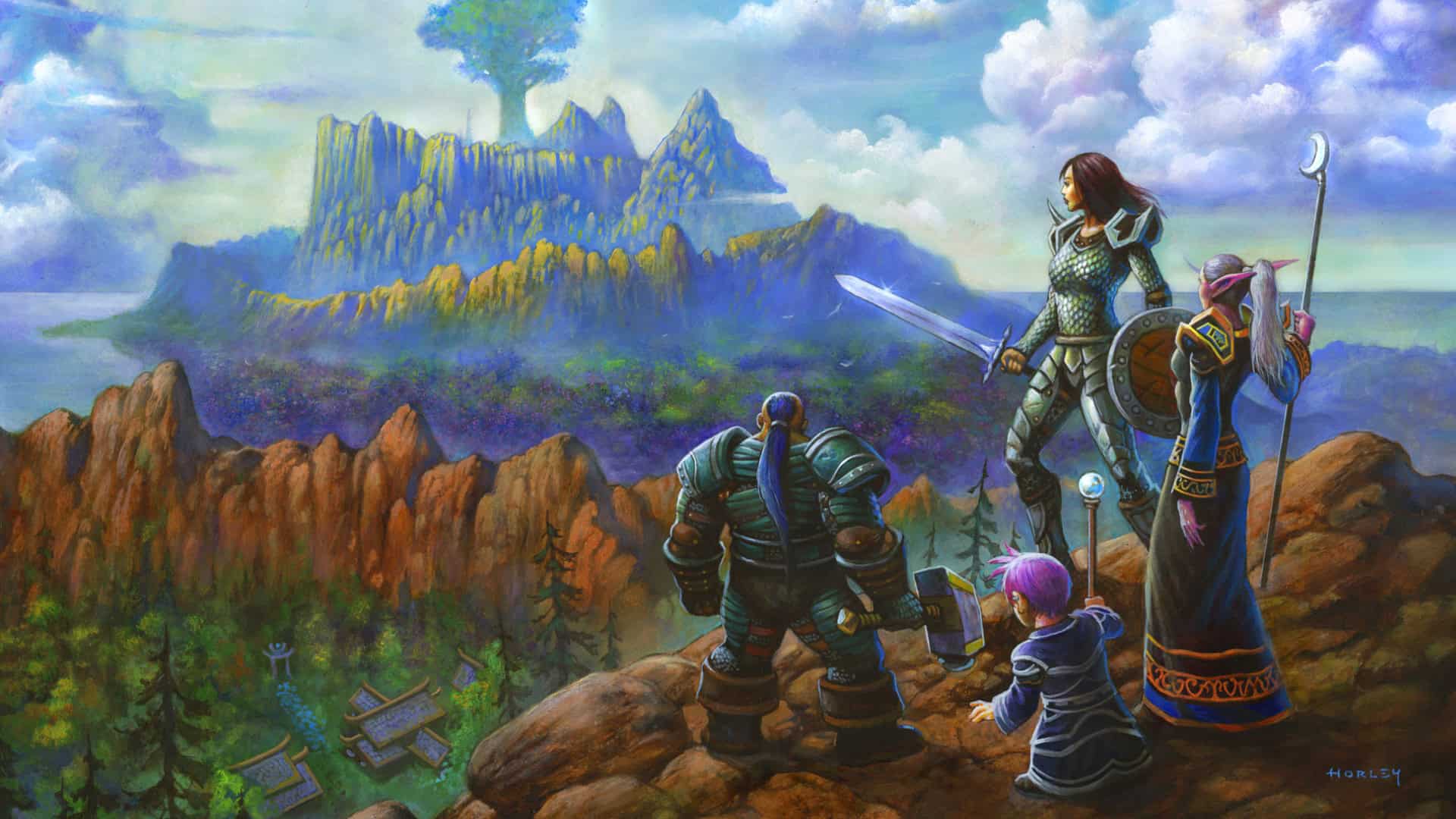
I replayed our final conversation over and over in my head. I berated myself for not doing more to make sure he was ok. I was enraged at him for making an inconceivable choice, then became consumed in guilt for that anger. I kicked myself for making fun of the fact that he loved World of Warcraft, a game which, at the time, I thought was for “ultra nerds.” A game that had given him comfort and escape from demons none of us could see.
Most of us are no stranger to loss. It is one of the inevitable truths about life: that we will all one day die. Death is one of the defining pillars that inspires humans as artists, writers, and thinkers. We have our opinions on what comes after, if anything at all. We have our opinions on how to grieve, how to heal, and how to move forward. And we are all one day forced to reckon with the inevitable truth, whether we want it or not. This is no less true when you’re a gamer.
Nicole’s mother really enjoyed blowing her up with a rocket launcher when they’d play Call of Duty. She would have a laughing fit whenever she took out family members during their play sessions, and it’s one of Nicole’s favorite memories of her. It’s easy to understand why.
Now six years on from her mother’s passing, Nicole, a Publicist in games PR, finds comfort and closeness by playing the games they used to play together. “We’d load up Crash Bandicoot or Croc: Legend of the Gobbos on the [PlayStation 1] and snuggle under a blanket with tea and snacks until early hours every weekend,” Nicole says. “It was our little ritual.”
These days, those rituals are an essential part of how Nicole grieves and reflects. “I genuinely believe the most harrowing part of losing someone is the feeling that every day you forget their face, voice, and smell just a little more, but when I load up Croc it’s like we’re back curled up in front of the TV and she feels close again. I can hear her laugh, feel her presence, and it’s the most comforting thing.”
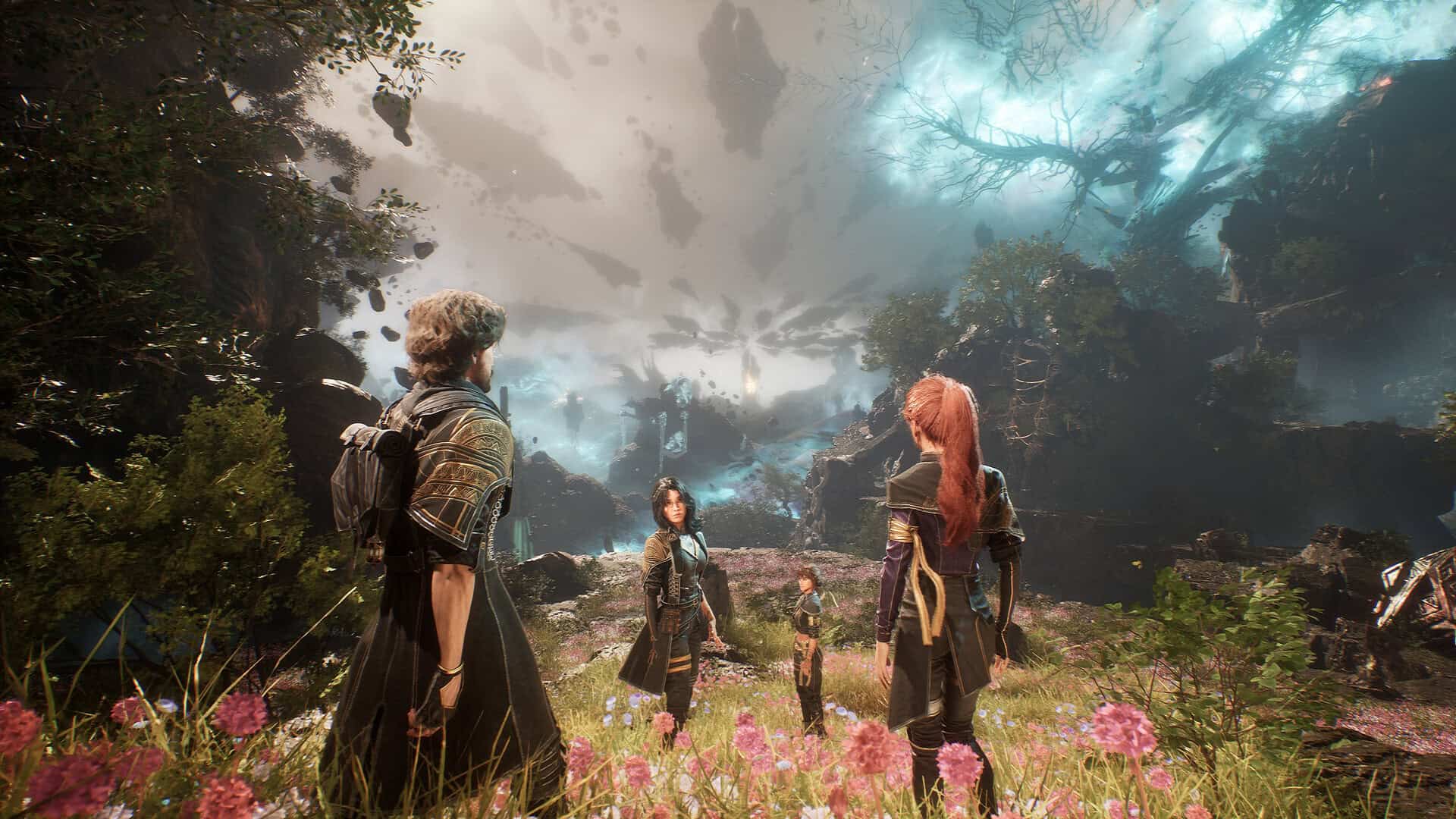
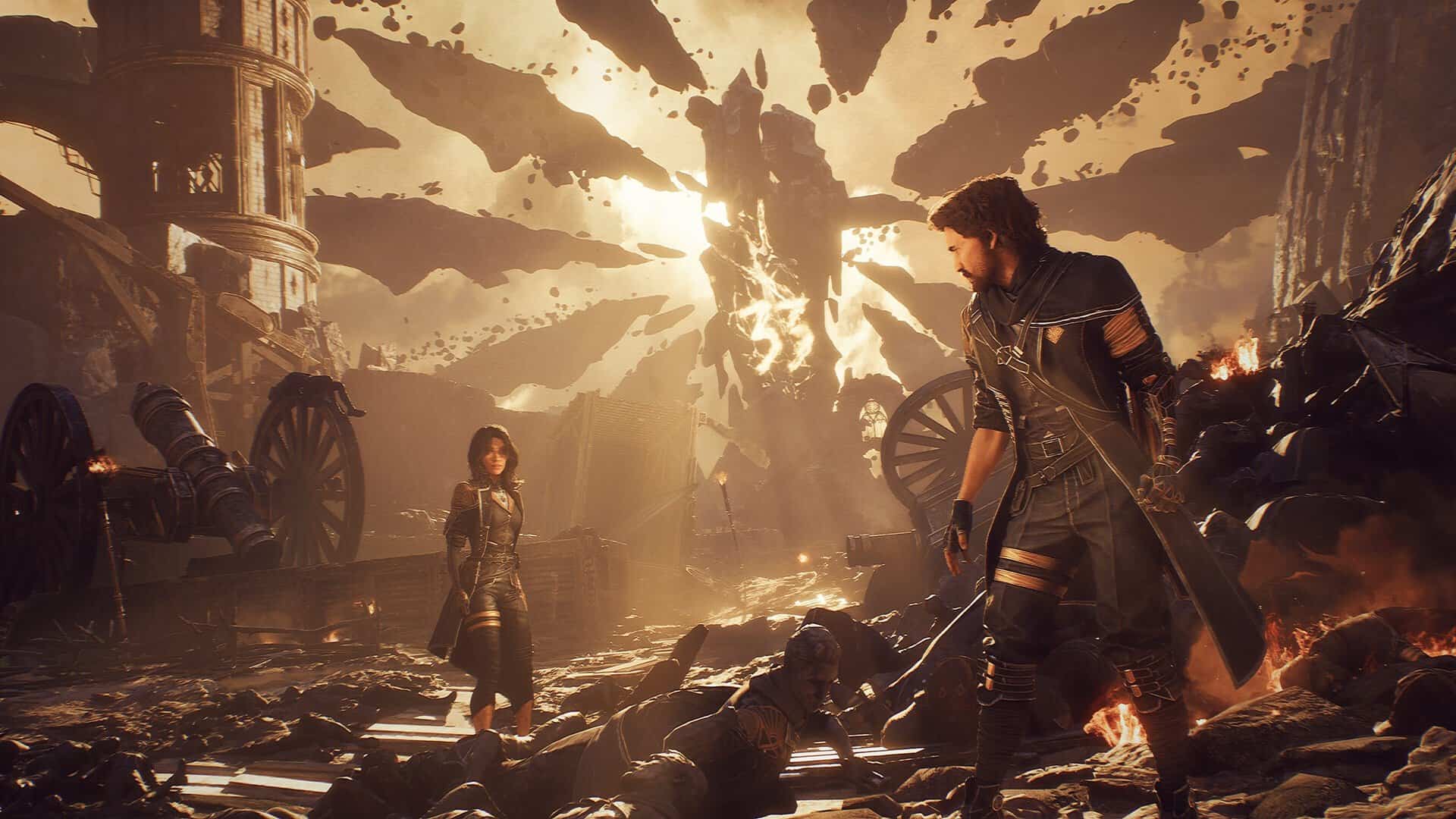
Gaming as a way to cope with grief is not a new concept, especially these days, when many video games have begun to really lean into strong narratives that spotlight it. Last year’s triumphant run by Sandfall Interactive’s Clair Obscur: Expedition 33 reignited the conversation around grief and loss, and how gaming as an interactive medium can provide a sense of reflection on how we process, internalize, and heal. The game’s two endings, starkly in contrast to each other, force the player to choose how they will face loss. And no matter which choice you pick, there is no “happy” ending. There is only one of two things: denial and its isolation, or acceptance and its isolation. Either way, you are alone with that pain.
Mango, a Strategy and Operations Specialist working in Big Tech, agrees and finds a lot of similarities to the way the game mirrors her own experiences. “Expedition 33 reflects that complexity [of grief]; it shows how some people choose to let go and move on, while others hold onto a memory at any cost. I personally struggle with that balance – needing to ‘let go and move on’ because the world keeps spinning, yet desperately wanting to never forget the people I’ve lost.”
Mango found that the isolation she experienced following the death of her friend Jerome was the hardest part of the process. Enough so that she was never able to finish the Mass Effect trilogy, his favorite game franchise that he had been watching her play on Twitch.
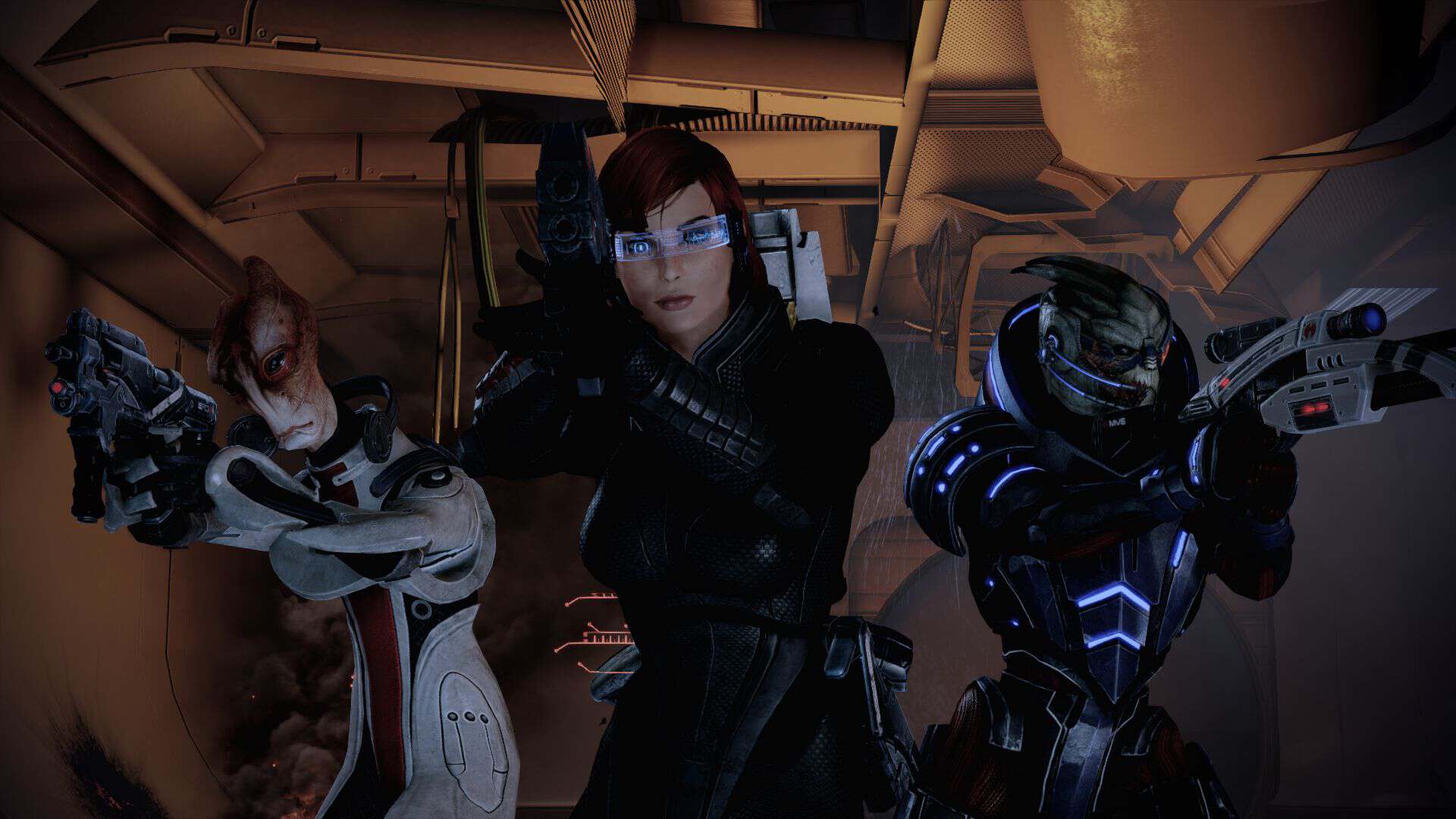
“He showed up to every stream, sitting in my chat as a steady guiding light – offering lore, celebrating major plot twists/milestones, and making sure I never felt lost. It was a joy to have him in my chat for that journey,” Mango reflects.
Unfortunately, right as she started Mass Effect 3, Jerome passed away unexpectedly. Following the shock of his sudden passing, Mango admits that she hasn’t been able to pick up and finish the game. “Continuing felt like trying to fly the Normandy without my co-pilot,” she says. “I know he’d want me to see Shepard’s journey through to the end, and one day I will finish it in his honor. But until then, that empty seat in the cockpit is hard to look at.”
The silence following these kinds of losses is palpable. Our loved ones occupy the largest spaces in our hearts, and the void they leave behind is a vacuum that is hard to fill. How do you fill it? More games? The games you played together? Or does it hurt too much, and it’s easier to play something that holds no emotional attachment to them? There isn’t a right answer, because there is no right or wrong way to grieve.
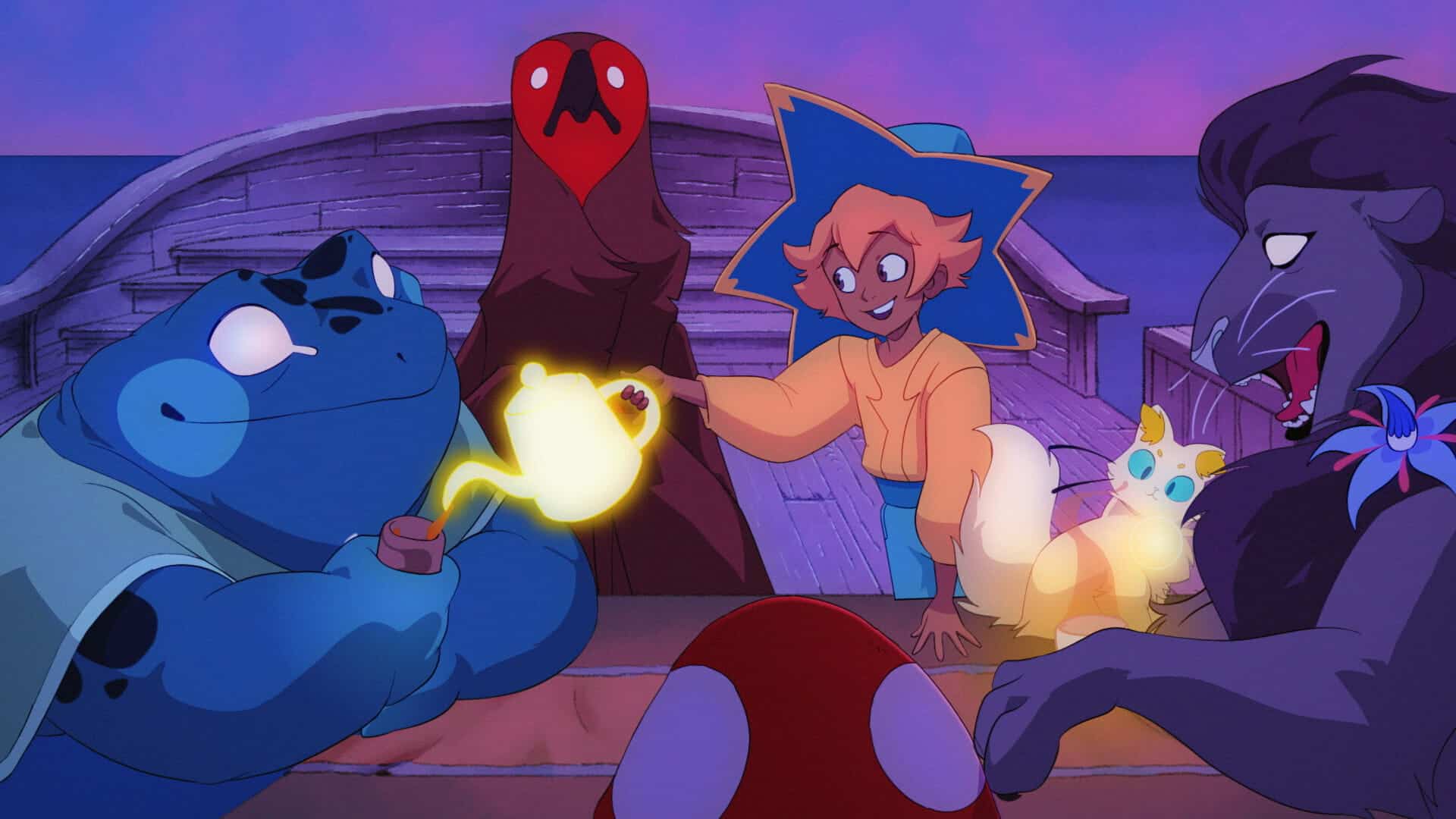
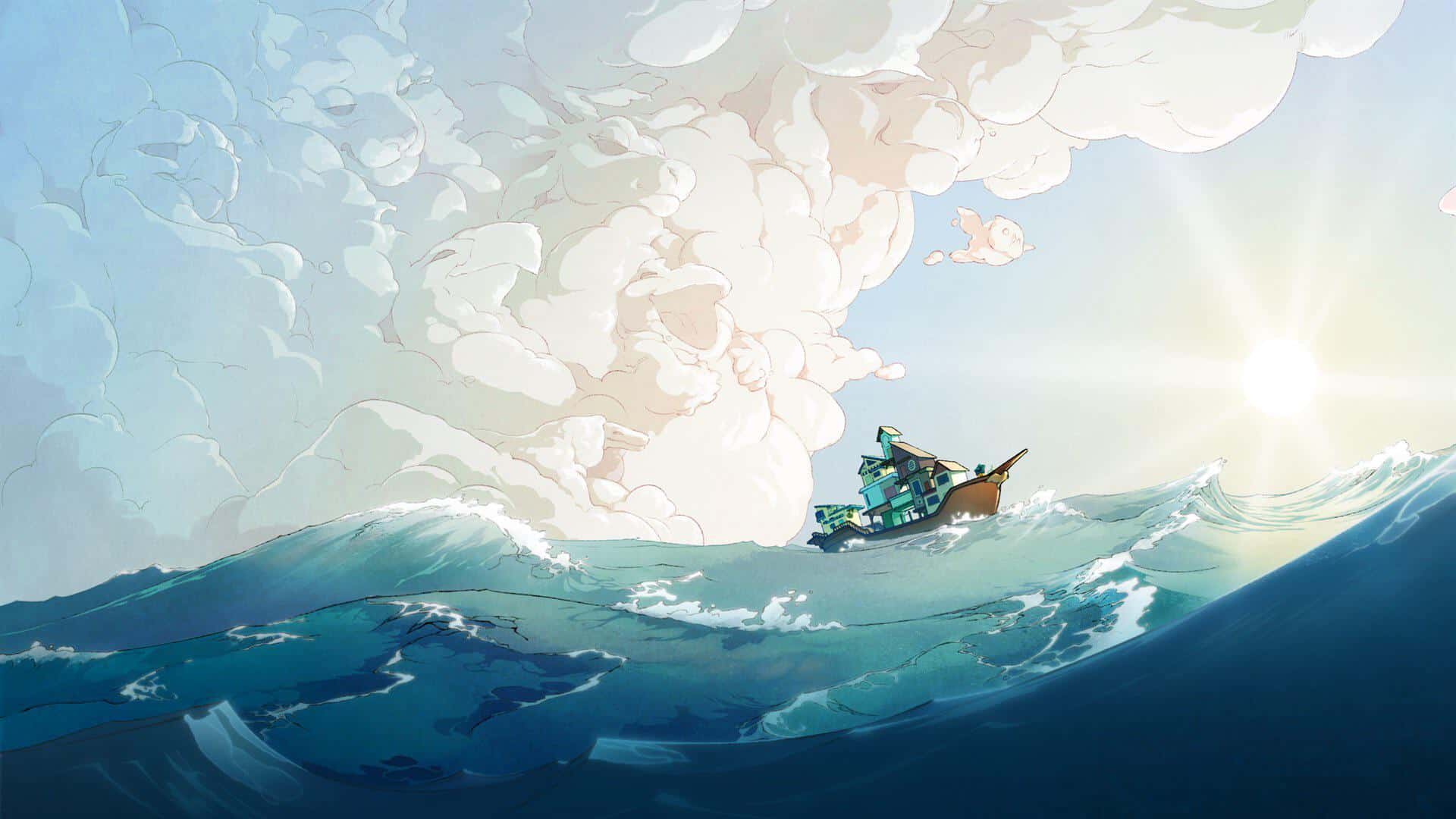
In fall of 2021, following my cancer diagnosis and treatment, I leaned heavily into cozy games I could play on my Switch on the couch. One of those games was Thunder Lotus’ Spiritfarer, a game that the developers describe as “a cozy management game about death.” I found myself so attached to the spirits on my boat, the spirits that looked to me to help guide them to peace as they approached the end of their lives. And I wasn’t the only one.
“When my Mum passed, I didn’t realise it at first, but I was so focused on getting through each day that I lived in a weird state of denial, burying my grief. I think Spiritfarer represents my overall struggle, denial, and eventual acceptance of the situation,” Nicole says.
Denial is probably the biggest obstacle to all the characters trying to find peace in Spiritfarer. Whether it’s denying their circumstances, their failed relationships, or their own inevitable end, no one is immune to its influence. Acceptance only comes when we face these truths and believe that the peace and love that we hold for each other is greater than the pain we are running from. It was only then that I was able to forgive myself for the feeling of failing my mentor. And instead of trying to find him in the past, I could seek his memory in my life as it is now.
I’ve never played World of Warcraft before. But with the upcoming release of World of Warcraft Forever in November, I am hopeful for a new way to connect with my mentor, a way to remember him and experience the thing that made him happy while he was here. A way to move forward, but keep him with me in the worlds of make-believe I choose to inhabit.
We seek the people we love and miss in Azeroth, Lumiere, the Everdoor, and the expanses of space. And in those places, we find them, and maybe a little bit of ourselves. And maybe for that, grief is an opportunity to reach further and know all of this to be true.


 ObserverCrew Picks
 bserver
 bserver