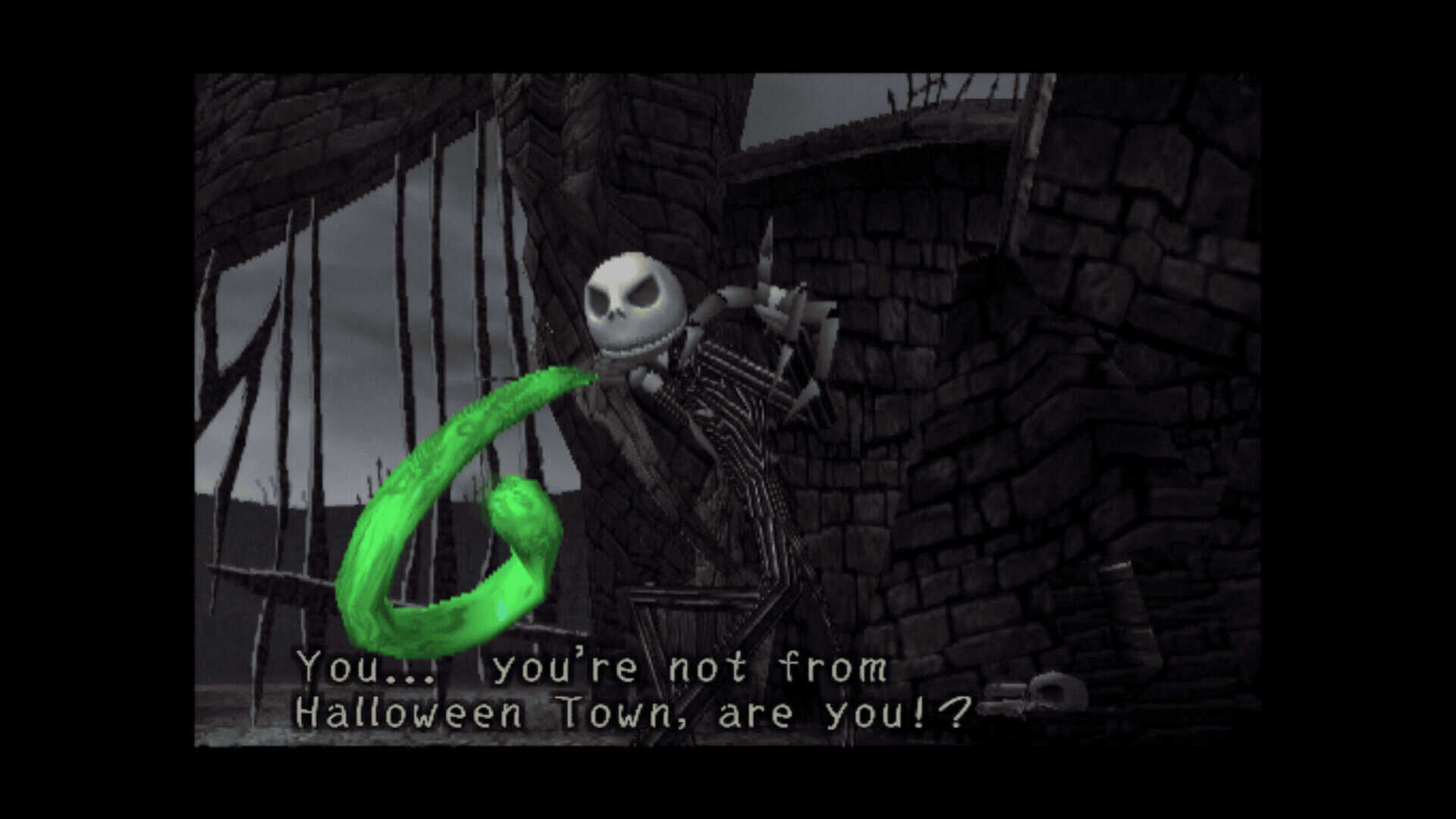
In 2013, Gone Home was among the early walking sims to define the genre, showing players that games didn’t need to be packed with action to deliver an immersive experience. We play as a young woman returning home after a year abroad to an empty house. As we search each room, the story gradually unfolds through exploration, with journals, notes, and other items allowing us to piece together the events and relationships that shaped the family. The world isn’t ending, we’re not in danger; we’re simply uncovering this family’s story through the traces they’ve left behind. A house full of memories.
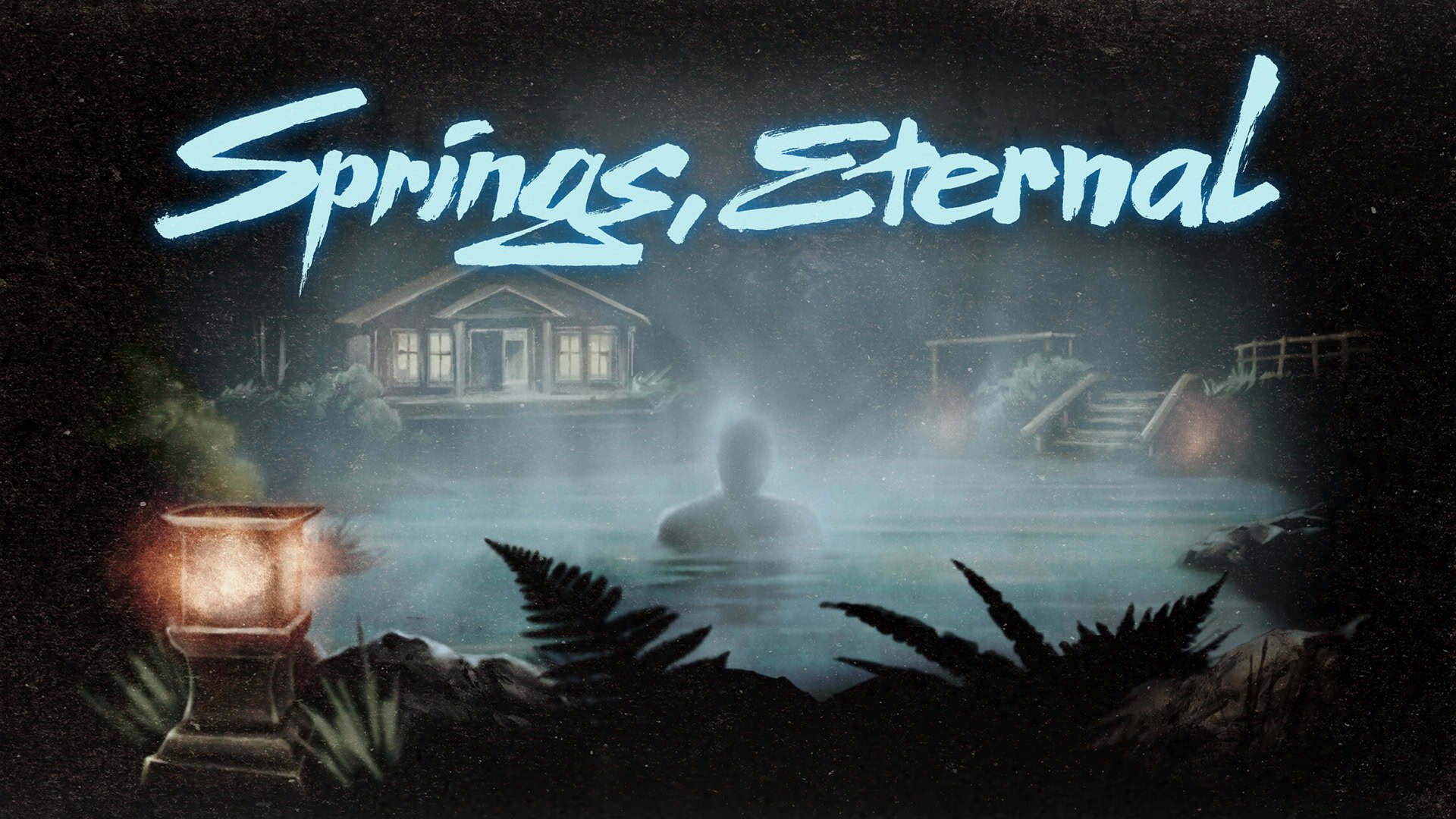
Following the release of another critically acclaimed narrative game in 2017, Tacoma, Fullbright is back with its latest release: a lo-fi narrative exploration game called Springs, Eternal. Only, Fullbright isn’t quite the same studio that developed Gone Home anymore; like many indie development teams, its structure naturally changed following success. Originally a four-person team, Fullbright grew to around 20 people while working on Open Roads with Annapurna Interactive. But after accusations of bullying and harassment, particularly from female members of the team who made up a considerable portion of it, Fullbright co-founder Steve Gaynor split from the development of Open Roads. The remaining team continued without him, rebranding as Open Roads Team, while Gaynor retained the Fullbright name as a solo development studio. Springs, Eternal is the second game to emerge from this solo venture.
Without giving too much away, Gone Home initially alludes to something sinister having happened to our missing family. At its core, however, is a heart-warming and beautiful game. Its story is a slow burn, but one that undoubtedly leaves you smiling at the end. Springs, Eternal does the complete opposite.
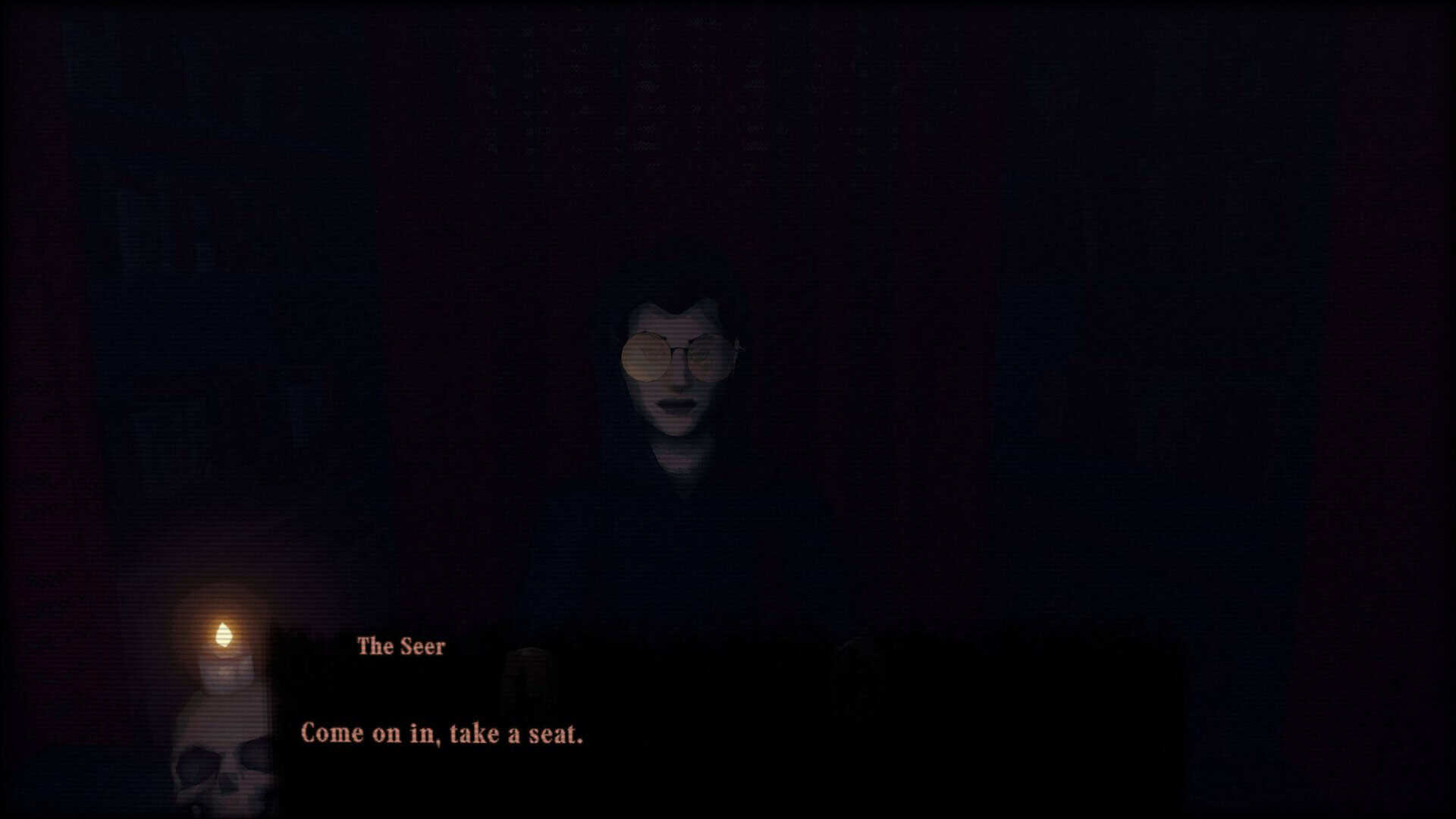
Legend has it, if you meditate at every sacred site at Stillwater Springs, you’ll be able to live the life you desire. Our main character visits Stillwater Springs alone, though each time he meditates in one of the springs, flashbacks show another story, one of love and heartbreak. Each meditation unveils more about why this character is at Stillwater Springs seeking reflection.
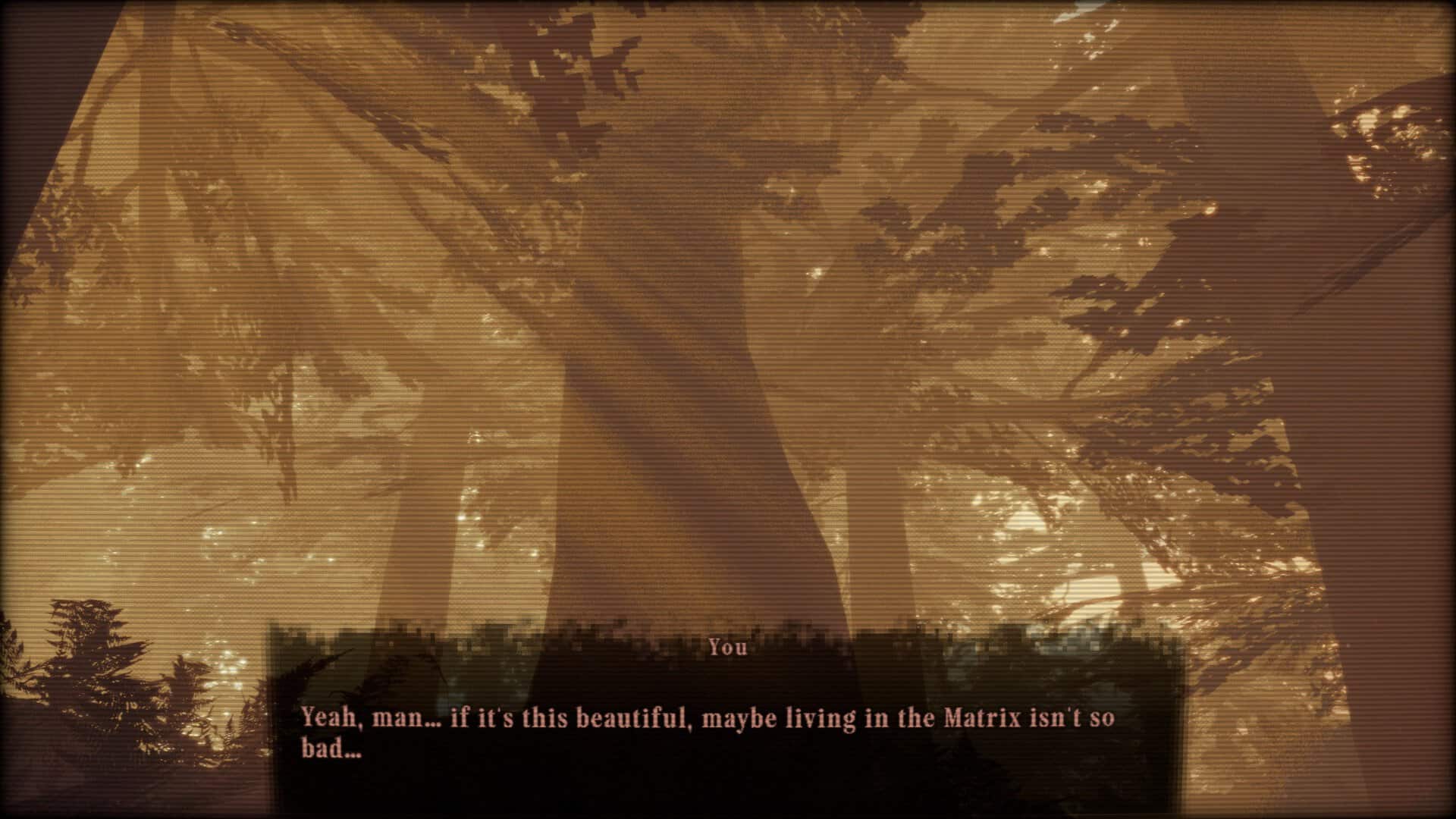
Springs, Eternal’s atmosphere is immaculate considering its themes of retreat and relaxation. Its calming, lo-fi vibes and deep, hazy art style create an incredibly soothing experience. Its use of purples and dark blues makes the world a pleasure to explore, complemented by the environmental sounds of wind chimes, cascading waterfalls, and the rustling of trees as we wander through the mountainous area.
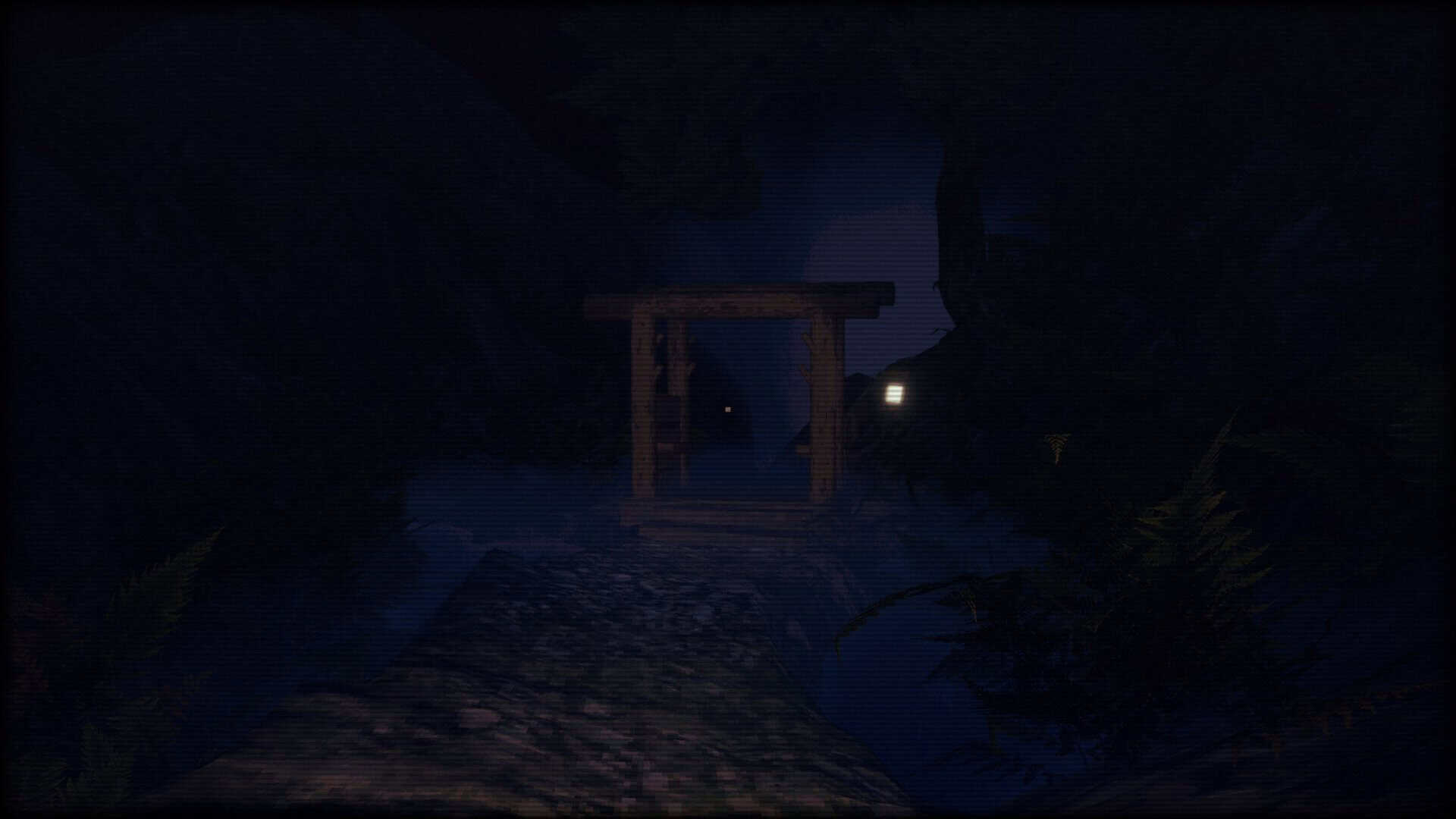
However, much like Gone Home, Springs, Eternal strangely alludes to horror elements that never fully manifest. There are rumours of a creature lurking in the woods; some visitors claim to have spotted a pair of glowing eyes watching them from the trees. Your flashlight flickers as you traverse the dark forest, while some meditation flashbacks will warp into nightmarish, never-ending corridors as you’re brought back to reality. But, much like Gone Home, Springs, Eternal is not a horror game. In fact, it could have been considered a cozy game had it not been for these seemingly pointless horror elements thrown in to make the game seem more exciting than it is. Had it fully committed to being a calming, lo-fi exploration experience, I think the atmosphere would have felt more cohesive.
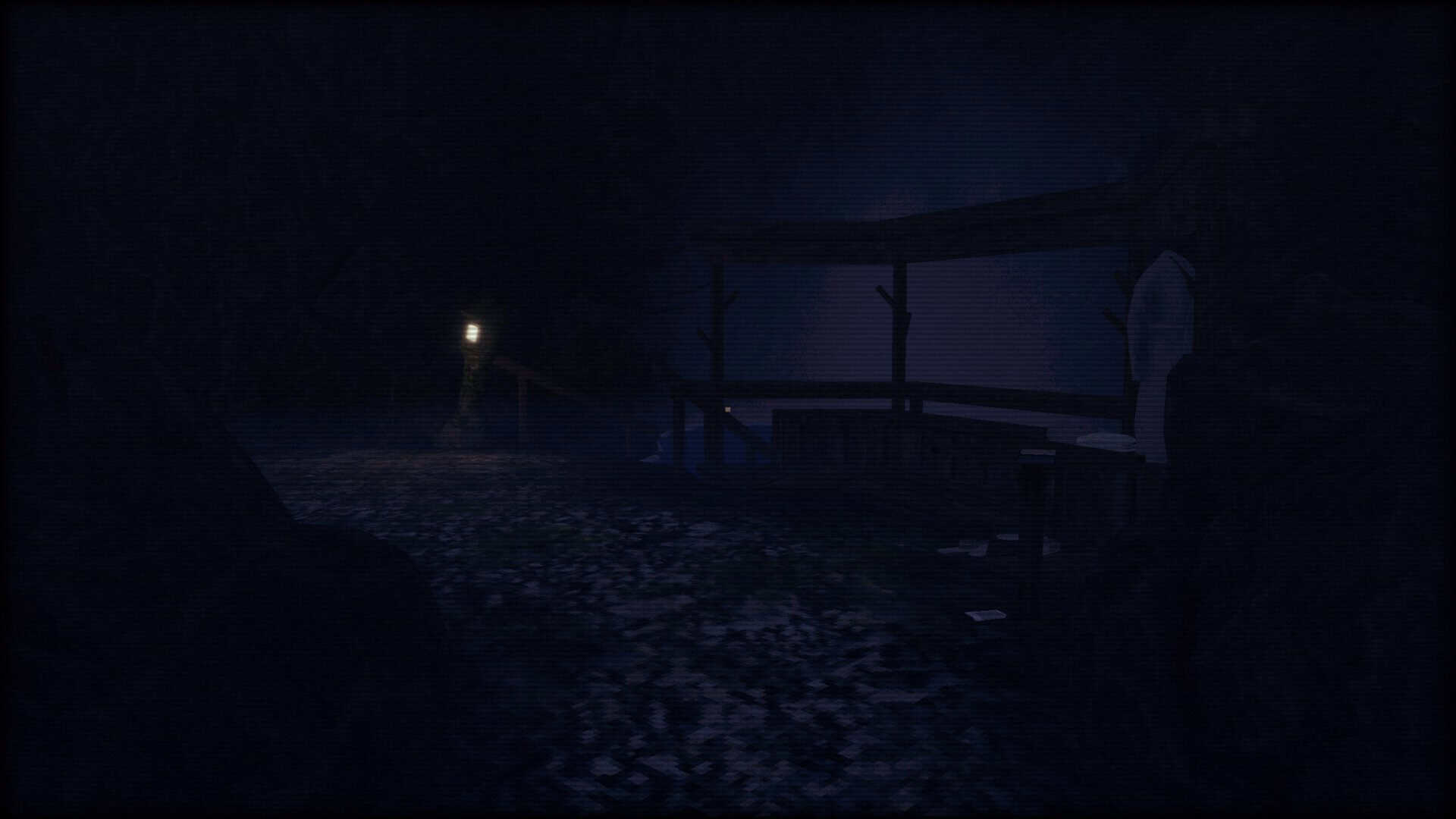
There’s a map clearly indicating each area and what order you should visit each one in, but you can go at things at your own pace and also choose your own path. Unfortunately, there’s no direction indicator on this map, making it incredibly tricky to work out which path you’re heading down when going in a specific direction.
In each spring will be an NPC, or a group of them, each with their own reason for visiting Stillwater Springs. Some have come to relax, some to reflect, and others are at a turning point in life, much like our protagonist. As you explore, you can also pick up new information or items that you can take back to NPCs to open up new dialogue options. This isn’t essential for completing the game; you just have to meditate at all the sacred sites to hit the credits.
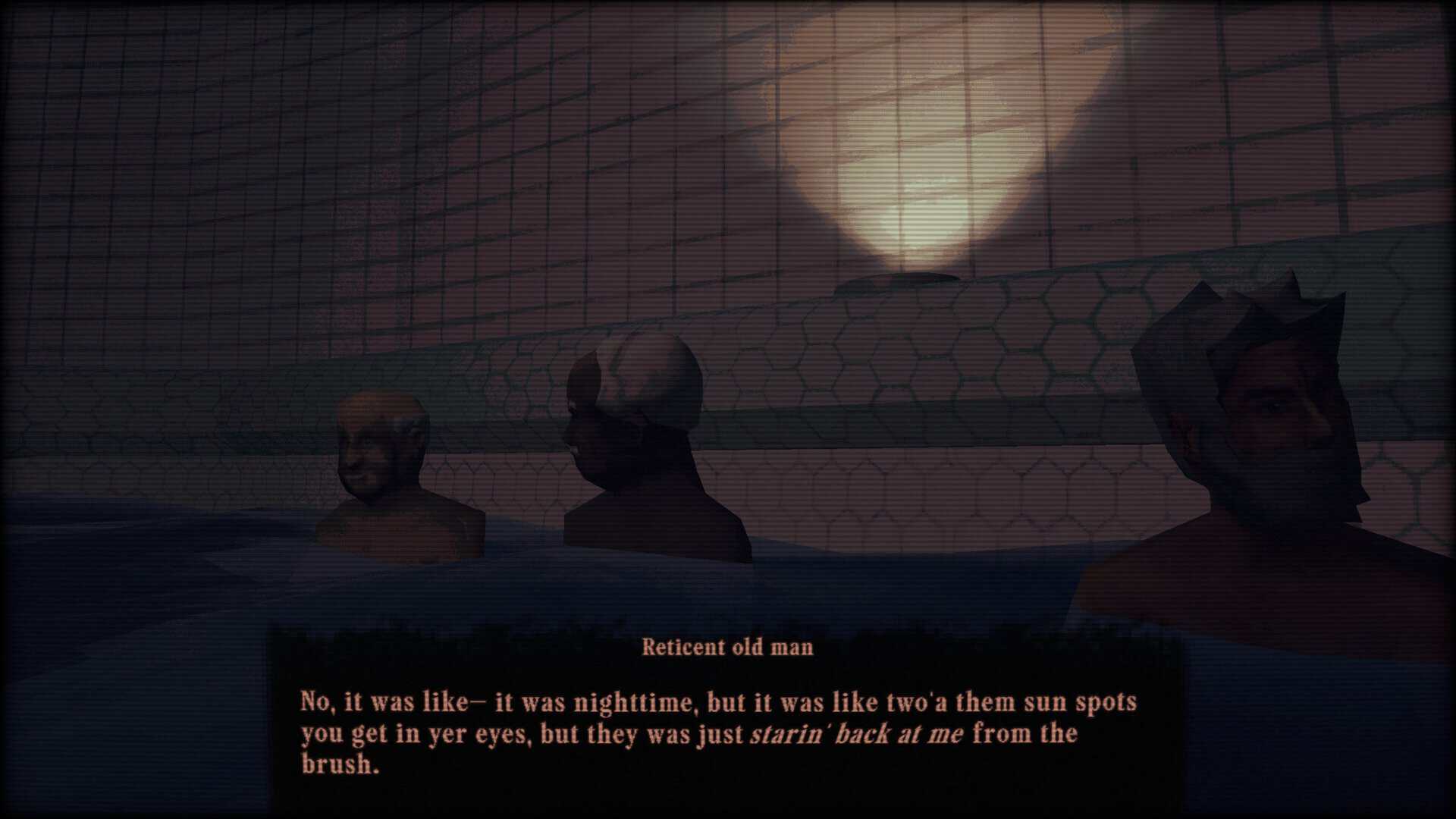
Talking to each NPC and hearing their stories was my favourite part of Springs, Eternal. There’s an equal mix of strange and quirky characters, and heartbreaking tales. I genuinely enjoyed my trip to each spring, and found myself looking forward to who I would be talking to next.
Unfortunately, I can’t say the same for the protagonist’s own story. While our initial introduction to this relationship is fairly sweet, I can’t remember the last time I was so infuriated by a fictional relationship (and I’m currently watching Grey’s Anatomy for the first time). Past the very brief honeymoon period, each time this couple speaks to each other (or through their friends), it’s filled with manipulative and toxic dialogue – to the point where I was convinced the story was building towards a message about how these two people simply weren’t right for each other. That message is never delivered. Instead, I was left with the impression that we are supposed to be grieving the breakdown of this relationship, and hoping they’d find a way to make things work. I was rooting for an ending where they broke up and moved on with their lives.
I would most compare Springs, Eternal’s narrative to Maquette, which explores similar themes with its reflection on a turbulent and toxic relationship. Only here, Maquette does an excellent job of showing the player where things went wrong, delivering a strong message about how love is not always enough when two people aren’t compatible. Springs, Eternal, I believe, may have been attempting to convey the same message, but I was just not given a strong enough impression that the game recognised just how unhealthy this couple’s relationship was. Instead, I felt like the developer wanted me to feel sad about the events that unfold. If that’s not the case, then the message wasn’t made clear enough. I didn’t leave Springs, Eternal feeling like I’d learnt a valuable lesson about relationships as I did with Maquette, which actually made me reflect on my own relationship at the time. Instead, I reached the credits feeling absolutely infuriated by the childish and manipulative behaviour of these two characters.
I went into Springs, Eternal expecting a calming, lo-fi exploration game that I could complete in one sitting, where I could experience the stories of various characters while enjoying the retro-style visuals. Well, I did finish it in one sitting, and it does have lovely visuals, including a CRT filter. But my blood was also boiling by the time the credits rolled – maybe I, too, need a meditation trip after all that.
Jess reviewed Springs, Eternal on PC with a provided review code. This review is based on the version of the game that was available at the time of writing, and our score will not be changed.
- Score
- 6/10 Decent - Jess Cautiously Recommends
- Summary
-
Jess says: "I went into Springs, Eternal expecting a calming, lo-fi exploration game that I could complete in one sitting. I did finish it in one sitting and the visuals are lovely, but this game's poor portrayal of an unhealthy relationship and its failure to address its faults left me feeling frustrated, and needing a retreat of my own."
- More
- GameObserver's Review Policy





 ObserverCrew Picks
 bserver
 bserver