While most open-world RPGs do have a day/night cycle and a calendar, very rarely is the passage of time actually referenced in-game unless there has been a deliberate time skip between quests, or you’re required to wait a day or two before progressing. You could spend literal in-game decades in games such as The Elder Scrolls V: Skyrim or The Elder Scrolls IV: Oblivion, and this is never reflected in-game.
Because of this, the various wacky antics the lead character gets up to when they should be saving a loved one, the world, or both, have become somewhat of a running joke. In The Witcher 3: Wild Hunt, Geralt sets out to find his daughter, Ciri, when he believes she’s in danger. But despite his daughter’s life being imminently at risk and the apocalypse drawing nearer, Geralt is clearly in no rush to rescue her; he finds the time to rise through the ranks of Gwent, sleep with a few sorceresses, and solve a mystery with his talking horse while high on mushrooms. In Fallout 4, it may seem like your kidnapped baby could be in mortal peril at the hands of a shady organisation, but you can still make a pit stop to quickly build a new town, help some robot sailors launch their flying ship, and become a vigilante – who’s Shaun again? Even in Cyberpunk 2077, when V is given three weeks to live unless they can find a cure, those “three weeks” feel awfully stretched out considering V somehow finds the time to… buy a new apartment? Doesn’t it take weeks to move home?
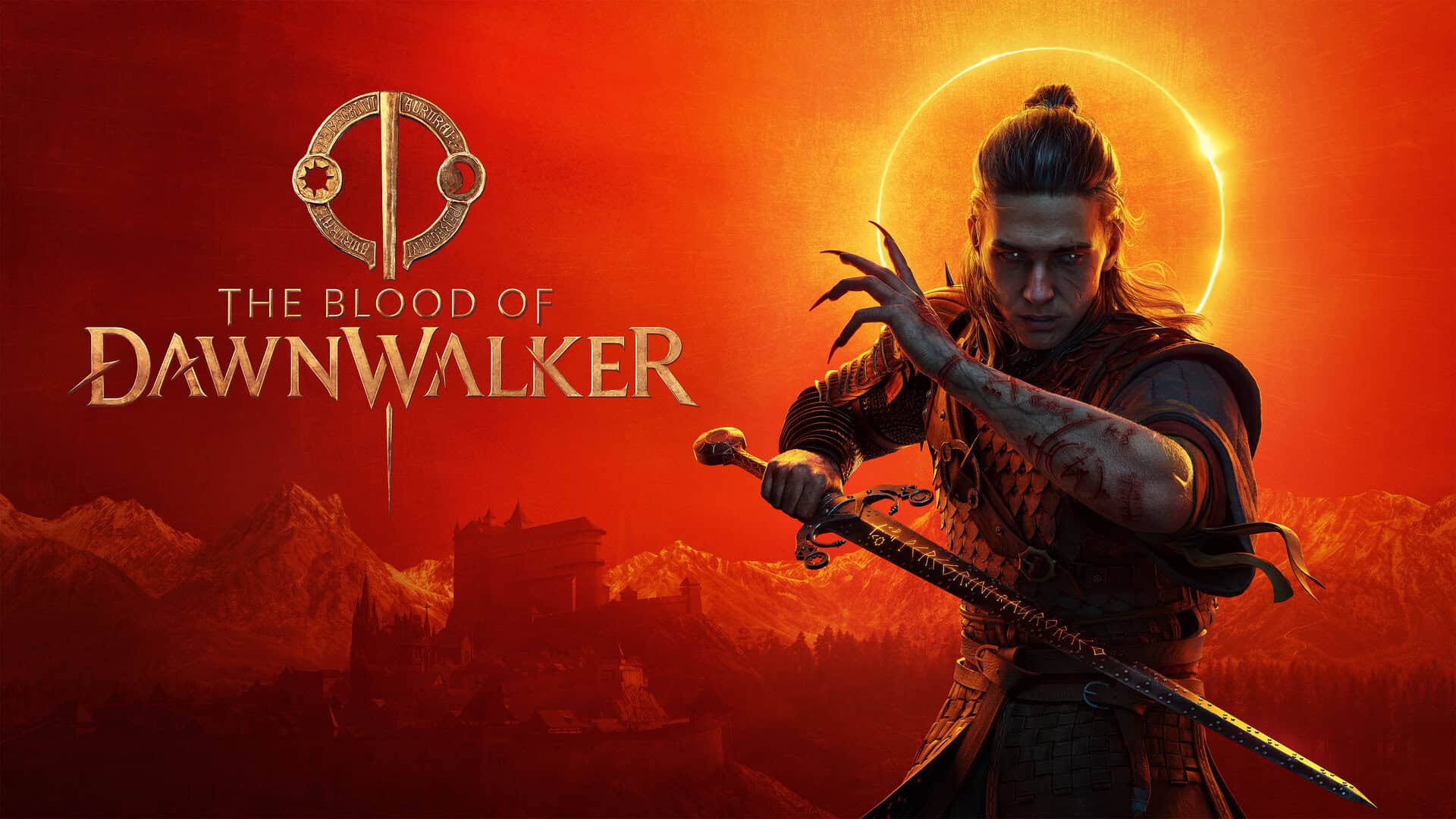
The Blood of Dawnwalker immediately puts a stop to these antics with the introduction of a 30-day time limit. It’s been done before; the first Fallout game gives you 150 days to get the water chip to save Vault 13, and just last year, The Séance of Blake Manor gave players just three days to solve the mystery of Blake Manor and save its guests from the séance that was due to take place. But with many of The Blood of Dawnwalker’s core development team having worked on The Witcher 3 (which was heavily marketed in its trailers), while also sharing many similarities with the fantasy epic, it’s no wonder that the time limit received a mixed reception by genre fans upon the game’s reveal – open world games are designed to be explored after all! With The Witcher 3 being famous for its densely packed open worlds and 100s of hours of side content to uncover, the biggest question going into The Blood of Dawnwalker was: does restricting how players spend time in this world affect their enjoyment of it?
The Blood of Dawnwalker takes place in the year 1347; the plague is rife across Europe, and the fictional valley of Vale Sangora in the Carpathian Mountains is no exception despite its remote location. Its tyrannical knyaz (ruler), Skender Dragosti, has ordered anyone carrying the plague to be rounded up and killed, including children. The game opens with an intense cinematic, showing the lead character, Coen, fleeing from his burning village with his younger sister, Lunka, in his arms. Just as he is apprehended by guards, a group of Vrakhiri (vampires) intervenes, led by Brencis, who has apparently grown tired of hiding in the shadows, watching Vale Sangora suffer under oppressive human rulers. Saving Lunka by having her drink his blood, Brencis vows to take over and make a change.
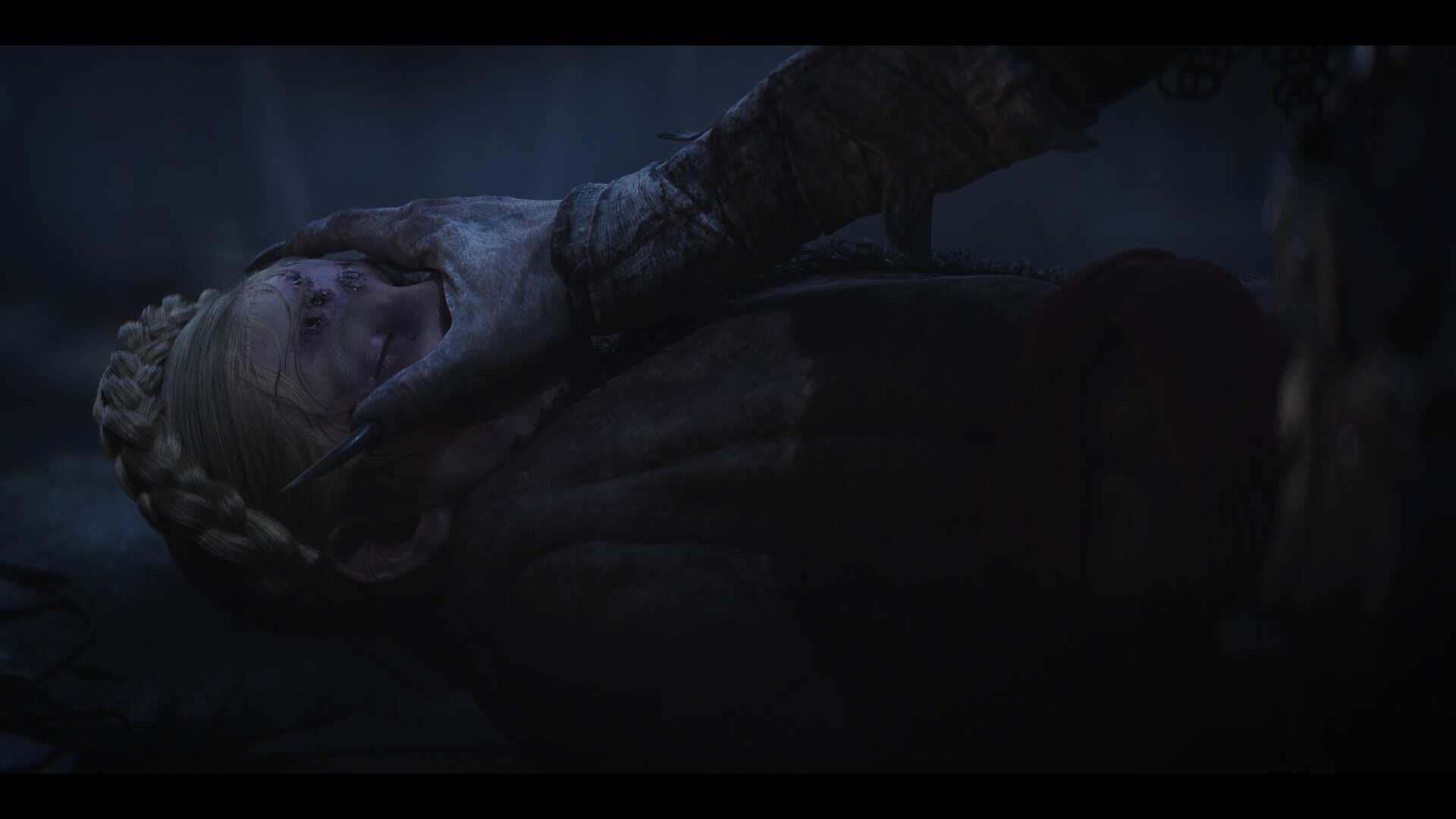
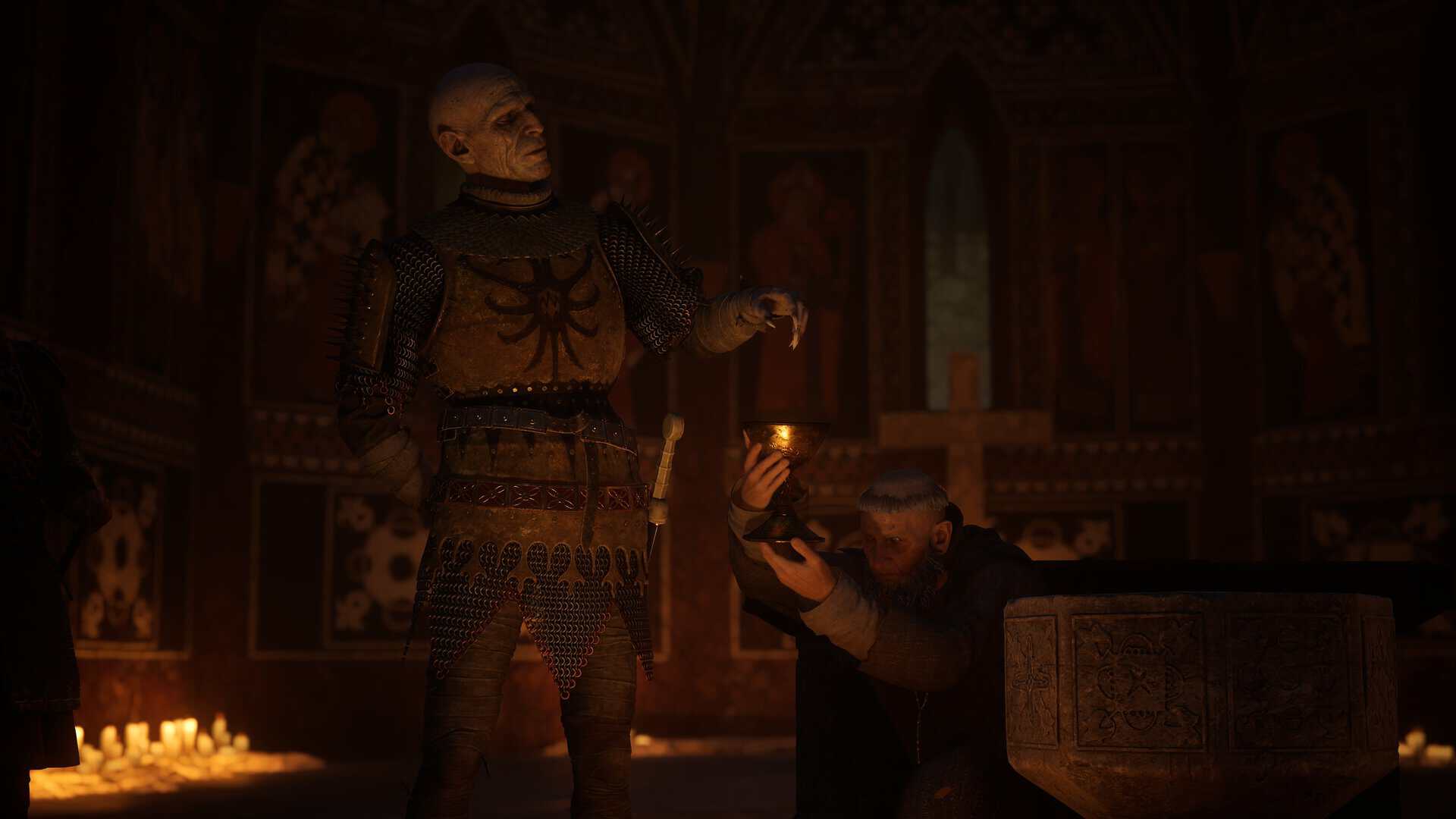
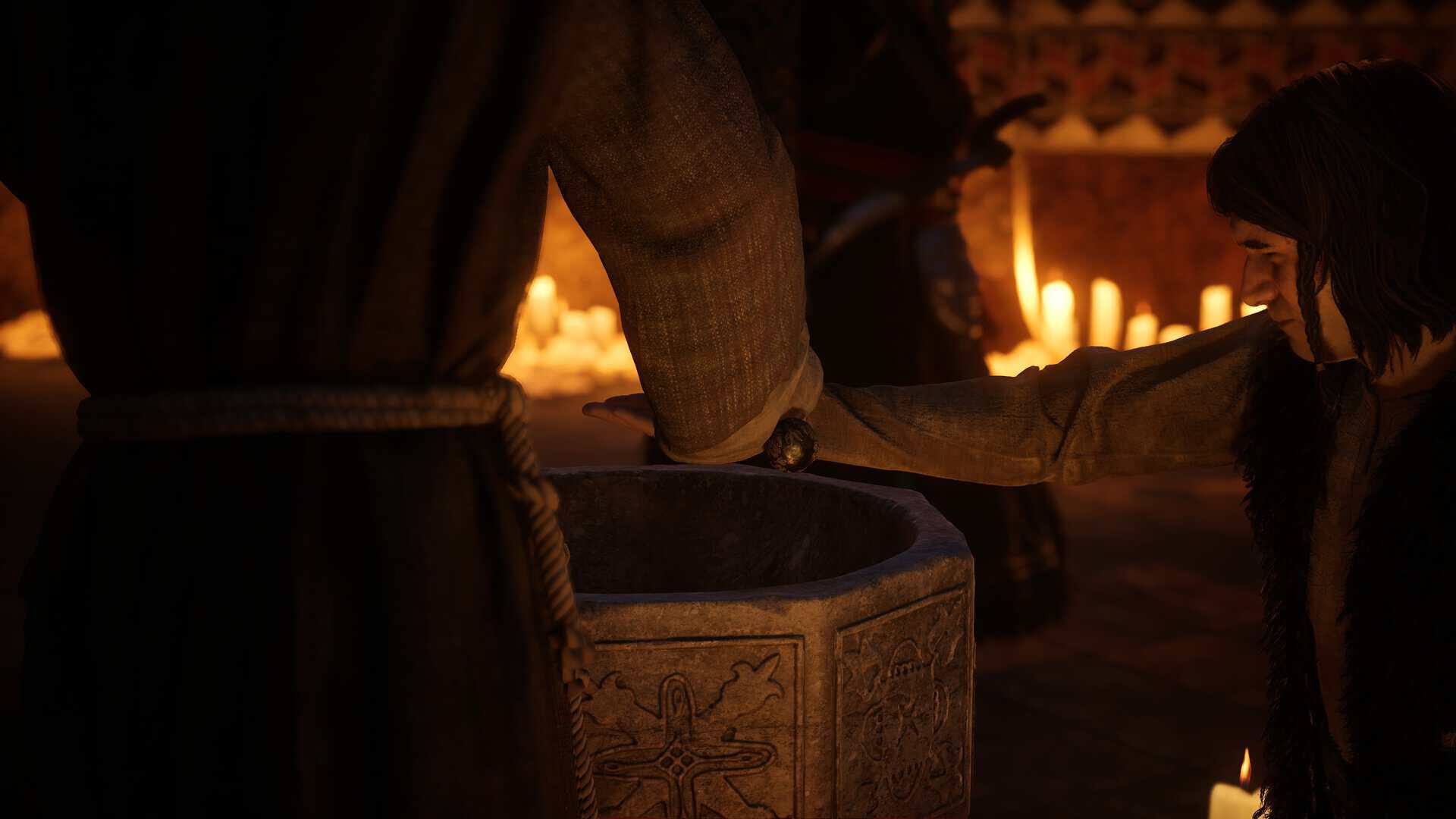
Two years later, Brencis now rules over Vale Sangora. Taxes are gone, and the plague and other afflictions have been cured thanks to the Vrakhiri blood. Hurrah! But the credits don’t roll here, as there is a catch: once a month, all subjects must attend “mass”. But all religious symbols have been destroyed; it’s the Vrakhiri that Vale Sangora worships now. And as well as drinking the blood of their new lord, literally this time, the people of Vale Sangora are also bled to fuel the undying thirst of their new rulers. Brencis has also cut off all routes to and from the valley, preventing anyone from leaving.
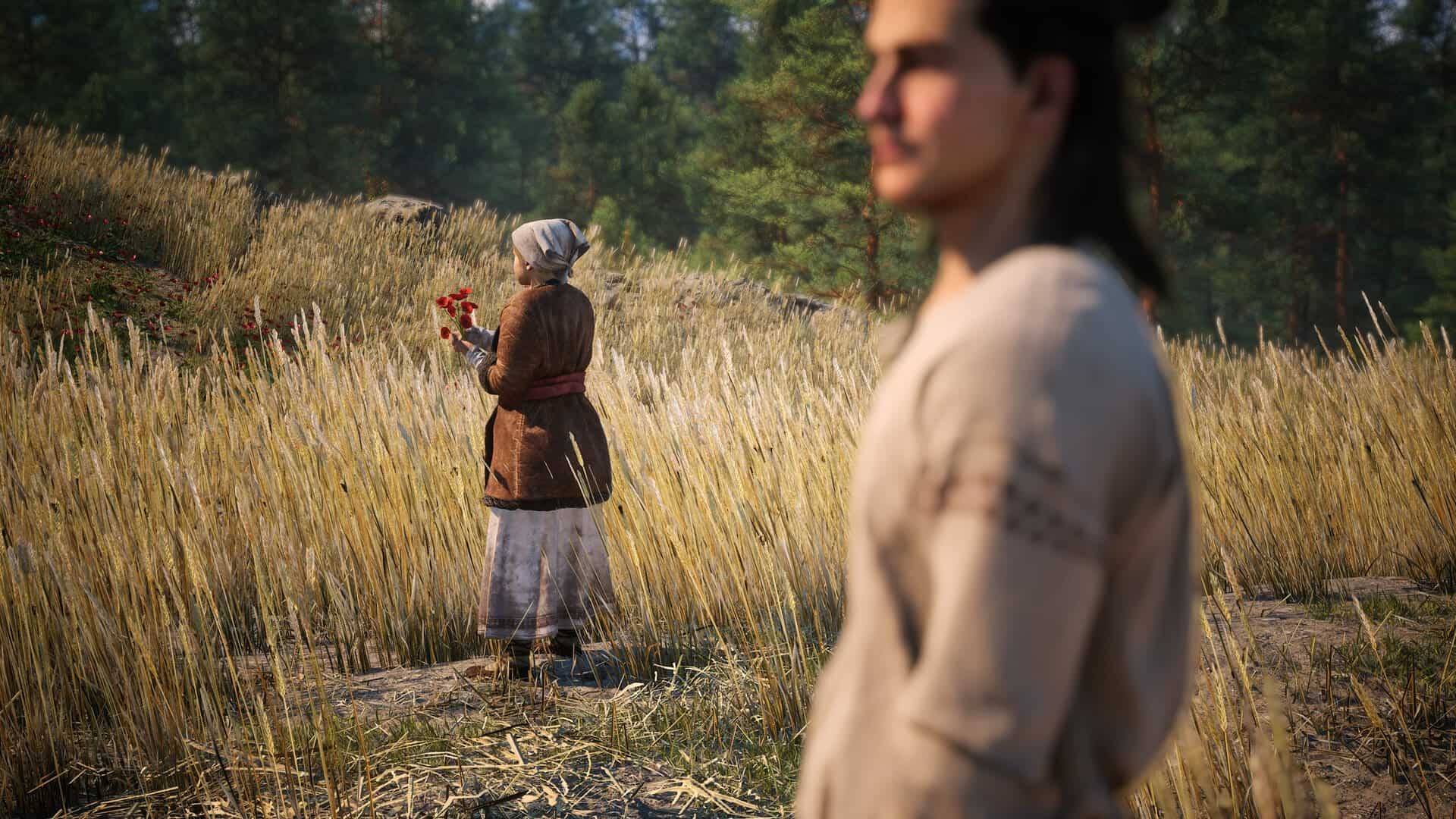
After the intro, we spend the day in Coen’s village, Laslea. Aside from a quick PTSD-fuelled nightmare about turning into a Vrakhir (I’m sure that’s nothing to worry about), Coen’s day starts like any other. We have a list of chores to cover, including collecting some herbs to brew for our mother, who has suffered a mental breakdown after the Vrakhiri takeover. We learn that Brencis does not appreciate weakness, and Coen’s mother’s life could be in danger if she cannot stay calm during mass, which takes place later that evening.
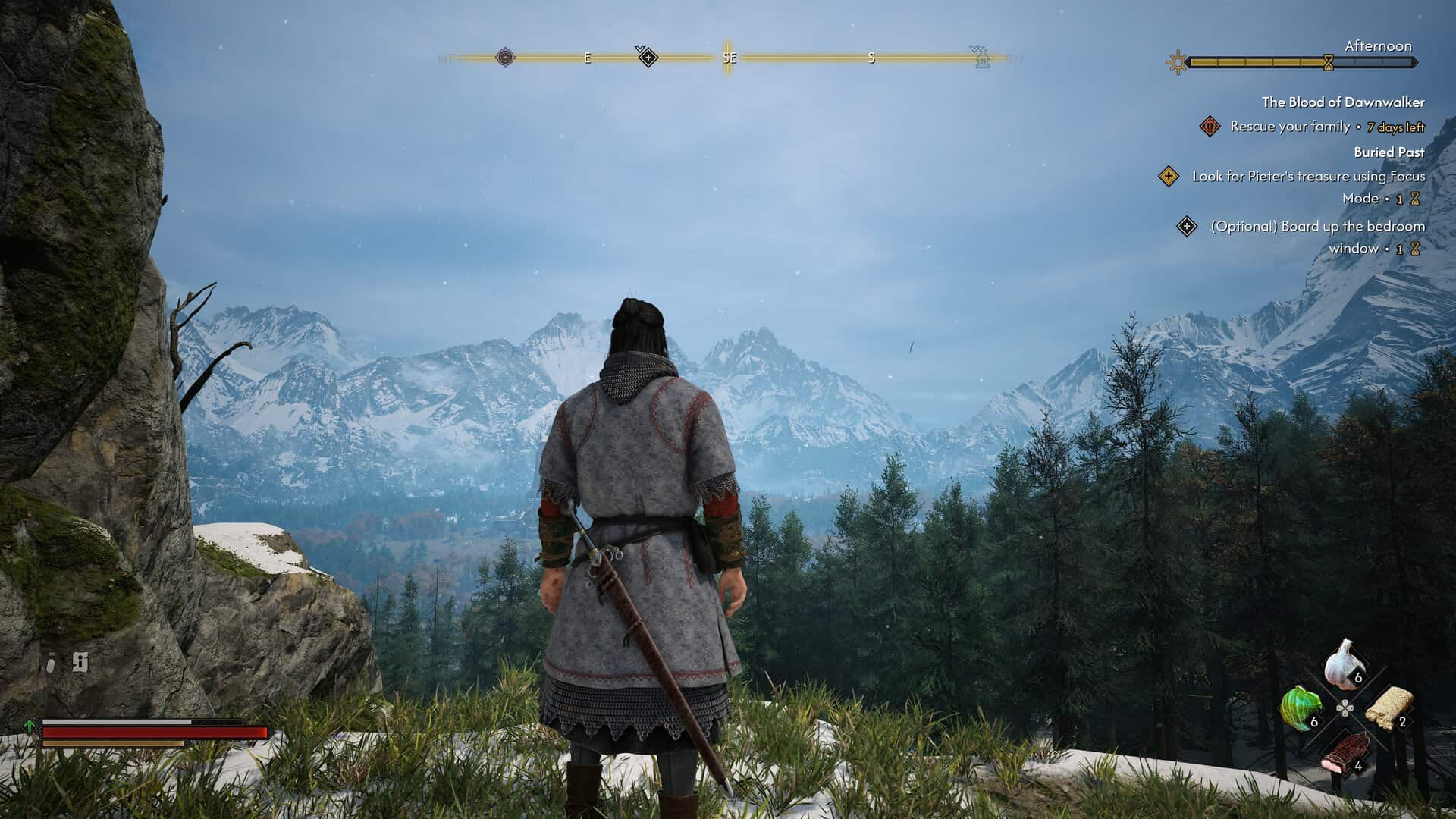
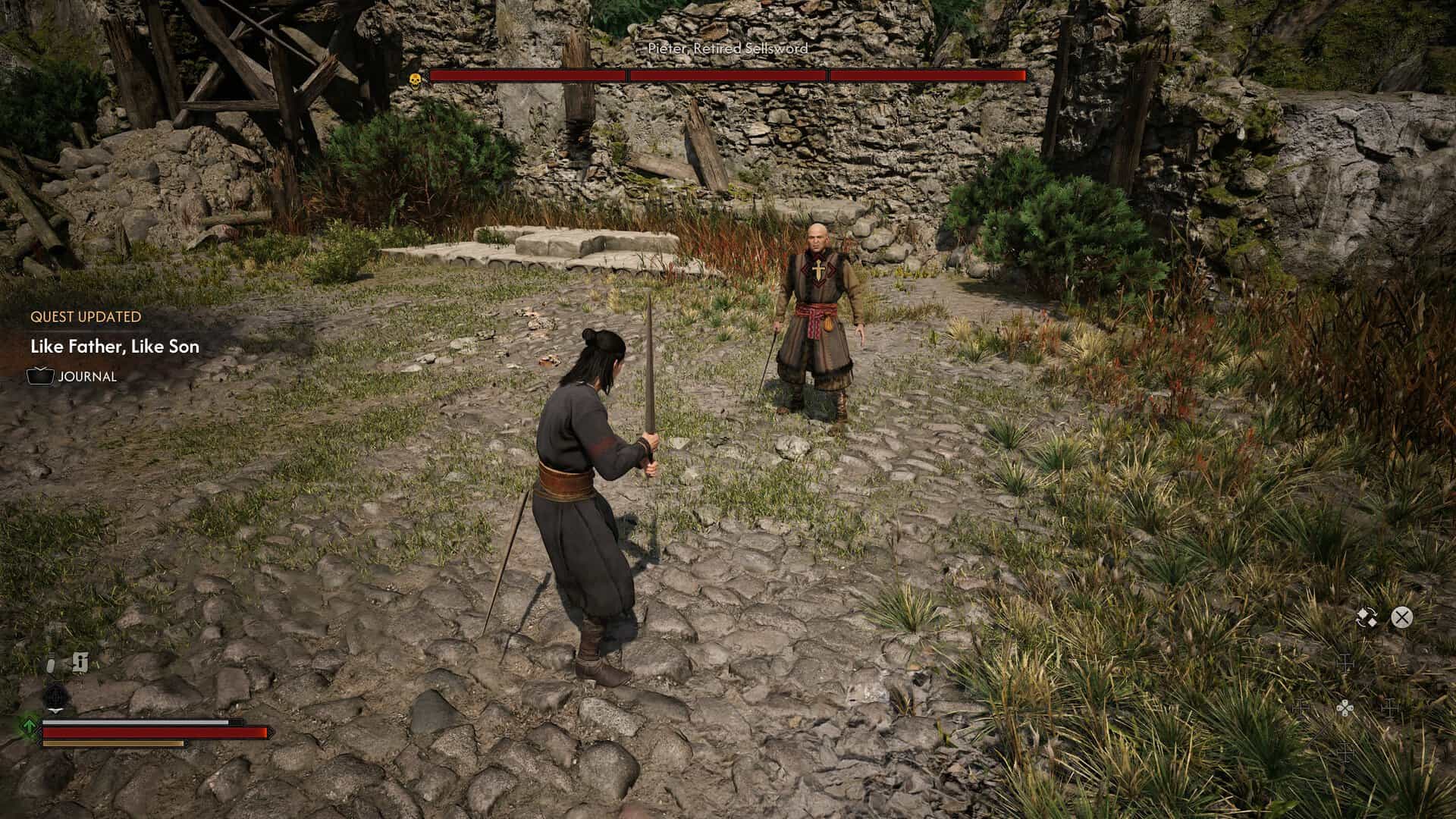
Here, we are introduced to The Blood of Dawnwalker’s time mechanic. Time passes through the completion of activities, rather than organically like in Fallout. You can still take as much time as you like exploring the map and gathering side quests to save for later. In fact, you could spend hours doing so, and time won’t pass in-game until you complete an activity that uses up time. Each day and night is made up of eight time segments (hours). You will be pre-warned when an activity is about to use up time and how much time it will take, allowing you to decide whether to go ahead with it or save the time for something else.
In the prologue, our core task is to collect herbs for our mother to calm her down before mass. But how else shall we spend our day? Do we solve a grave-robbing mystery, help find a missing pig, read smut with the neighbourhood ex-nun, or go and beat up the lad who keeps calling us names in the street? While there are a handful of quests available in the prologue, we don’t have time to do them all, which the game teaches us the hard way early on. The prologue serves as an excellent introduction to The Blood of Dawnwalker’s time mechanic, or it would have done so if the time limit were actually a concern past the prologue.
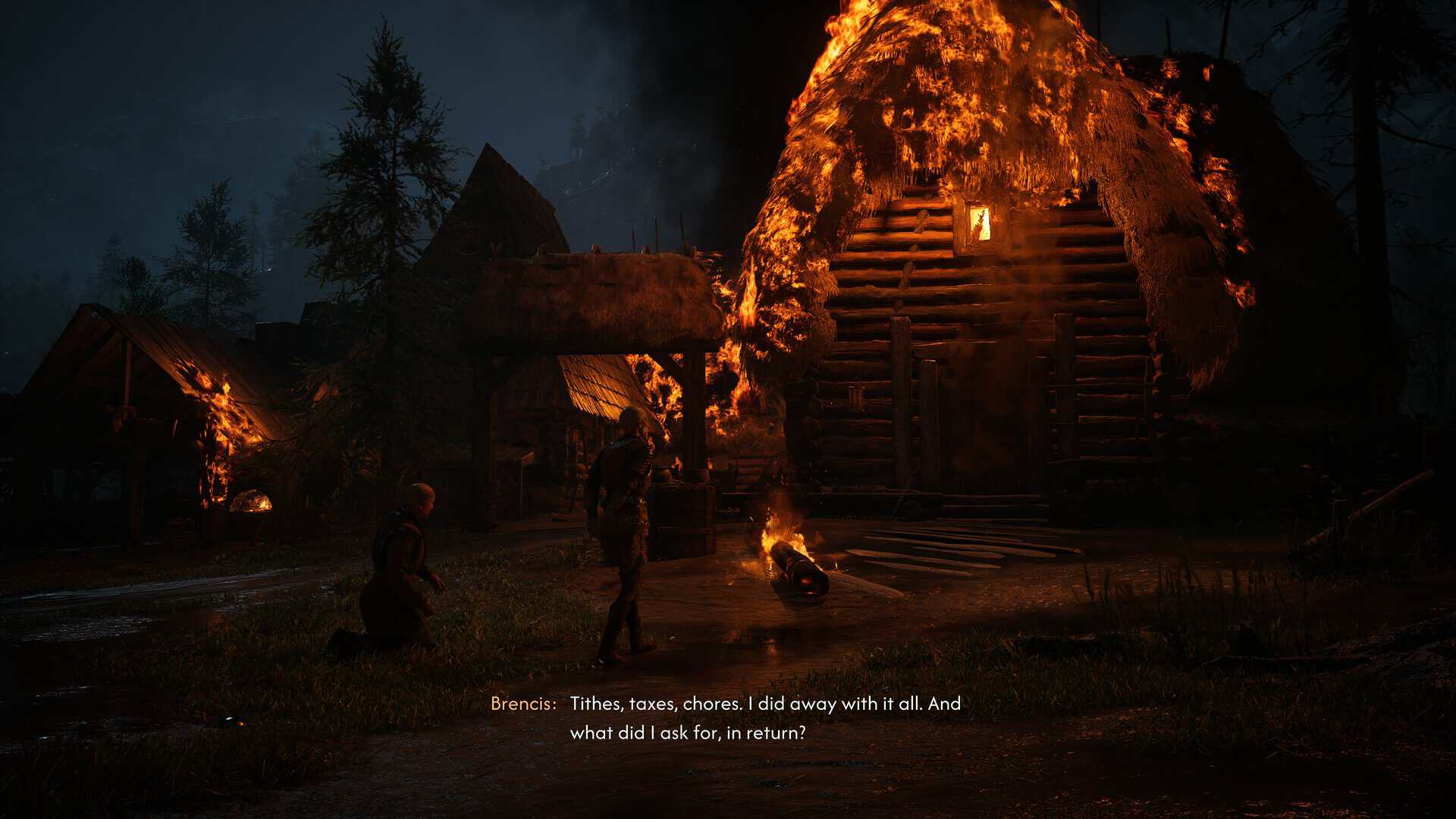
Just as I was contemplating whether I would let a politician drink my blood if it meant not having to pay taxes, The Blood of Dawnwalker quickly shows us why Brencis might not be the philanthropist he made himself out to be in the prologue. While Coen’s family tries to adjust to their new way of life under the rule of the Vrakhiri, one thing leads to another, and a failed rebellion results in Brencis destroying the town and rounding up its residents to take back to the castle with him, including Coen’s family… Ah, maybe this wasn’t such a good arrangement after all. As a punishment for previous insolence, Brencis turns Coen into a Vrakhir, hoping to remind people why they should fear his kind. But when Coen refuses to feed on innocents, Brencis deems him a failure and leaves him to burn in the rising sun. Only, Coen is still alive by dawn and is human again.
Unbeknownst to Brencis, who did the classic villain thing and walked off without checking whether the hero is actually dead or not, Coen is a Dawnwalker, half Vrakhir and half human. By night, he is a Vrakhir who thirsts for blood, but as the sun rises, he becomes human again. While Coen doesn’t know why Brencis has taken the people of Laslea and what he plans to do with them, he does know that it has something to do with his coronation, which takes place in 30 days. Coen has until then to form allies, take out Brencis’ lackeys, otherwise known as Boyars, and prepare for the fight by learning more about Brencis and his plans, finding suitable equipment, and embracing his new Vrakhiri powers. Or, you can choose to storm the castle right away (and probably die in the process).
One of the most interesting things about The Blood of Dawnwalker’s quest system is that there’s no clear path to your final goal. The only “main quest” objective past the prologue is to save your family. That’s it. Just save your family. While the village ex-nun who we read smut with earlier suggests we meet up with her later, this is more to carry on with her personal quest, though we can pick up one or two things to help with facing Brencis if we do visit her. Past this, we find new alliances and quests purely through exploration, and a lot of them tie together in a very satisfying way.
Staying behind in Laslea to search our friend’s house for clues of where he could have gone after Brencis’ sacking leads us to his family member just outside of the village. Going there, we find his distraught wife, who says her husband has gotten himself mixed up with a rebellion group and has now been imprisoned by soldiers. If we decide to go and save him, that opens up communications with the rebellion group, who are one of the alliances we can form to help us take down Brencis. I was really impressed with how interconnected seemingly irrelevant quests are; there are multiple routes to finding out about key people to kick-start a quest to meet them. While I found one way to get in contact with the rebellion, I kept on picking up letters and other clues later on in different quests, which would have also triggered that interaction. I suppose if Rebel Wolves had really committed to this time mechanic, having multiple avenues to complete core quests would have been vital if the player really did have to pick and choose which quests to prioritise.
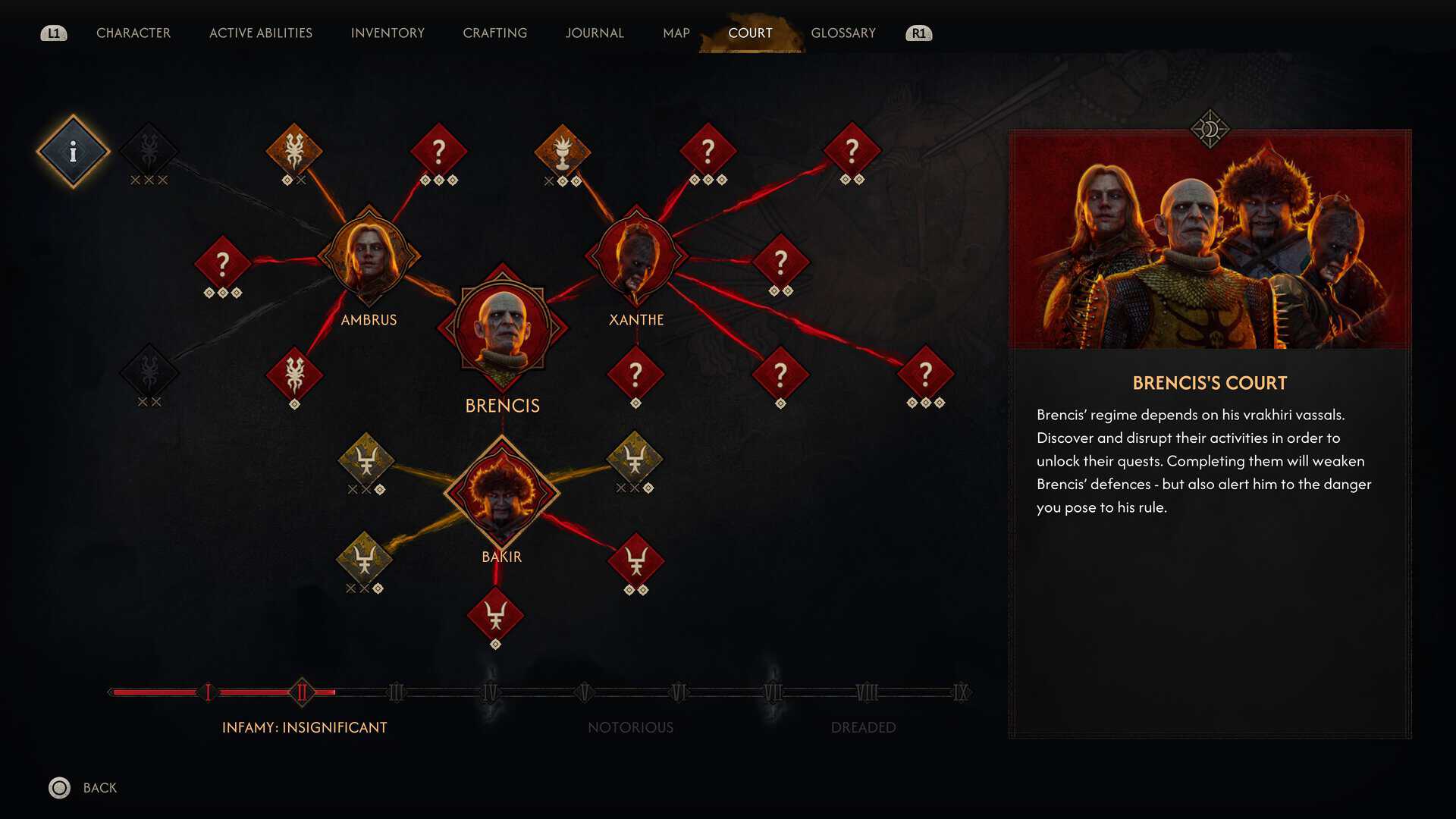
Once you’ve found a way into the castle through a contact, you’ll also want to take out Brencis’ three boyars; otherwise you’ll also have to face them in the final mission. To do this, you’ll need to raise your infamy. Each Boyar is tied to a specific series of quests related to their goings-on in the valley. Bakir brews and trades alcohol, for example, and destroying his distilleries not only raises your infamy level, but also his anger. Once his anger has reached its maximum level, the quest to confront him will trigger, which will also open up the opportunity to take him out.
However, of course there’s a catch to this. Raising your infamy level causes Brencis to proclaim new edicts (orders) to hinder your efforts, which get more extreme the more infamous you’ve become, starting with additional soldier patrols through the valley and eventually resulting in the gates of the city being permanently closed and soldiers attacking you on sight – raising the difficulty of simple exploration dramatically. At some point, Brencis will also bring back taxes… what the hell, man? NPCs will also begin to recognise you, and soon you won’t even need to introduce yourself, as all will have heard the name Coen of Laslea by the time you’ve killed three Boyars.
There are three skill trees to level up in The Blood of Dawnwalker: Witchcraft, Swordsman, and Vampirism. While you level up by completing quests and defeating enemies, you also need to read manuals (for Swordsman and Witchcraft) and raise your corruption (Vampirism) to be able to unlock or level up specific skills in these skill trees. Manuals can be found around the map when searching through bookcases or looting dead bodies, or bought from traders. Corruption is raised by drinking blood.
Combat has a focus on directional attacking, blocking, and dodging. Attacking repeatedly in the same direction will make an enemy’s block more effective. You also need to block or dodge in the right direction in correlation to where an enemy’s attack is coming from. If they’re swinging in from the right, you’ll want to block in that direction, or dodge away from it. There are four difficulty levels: Story, Fair, Challenging, and Duelist. I opted for the default Fair difficulty, which I usually do for my first run through of a game. On the first three difficulty levels, you will have indicators showing which direction to block to successfully block an enemy attack. If you block or dodge right at the last minute, you will perform a “Perfect Block” or a “Perfect Dodge,” which will open up an opportunity to deal a more punishing attack. On the first three difficulties, you will also have an indicator to signal when to block to perform a Perfect Block or a Perfect Dodge. Attacking, blocking, dodging, and sprinting consume stamina, with the exception of Perfect Blocks, Perfect Dodges, and parry attacks. As you level up, you’ll be able to unlock Active Abilities (special attacks) from all three of your skill trees, which you’ll spend Activation Charges on. Activation Charges replenish over time, and successful blocks and attacks will speed the recharge up.
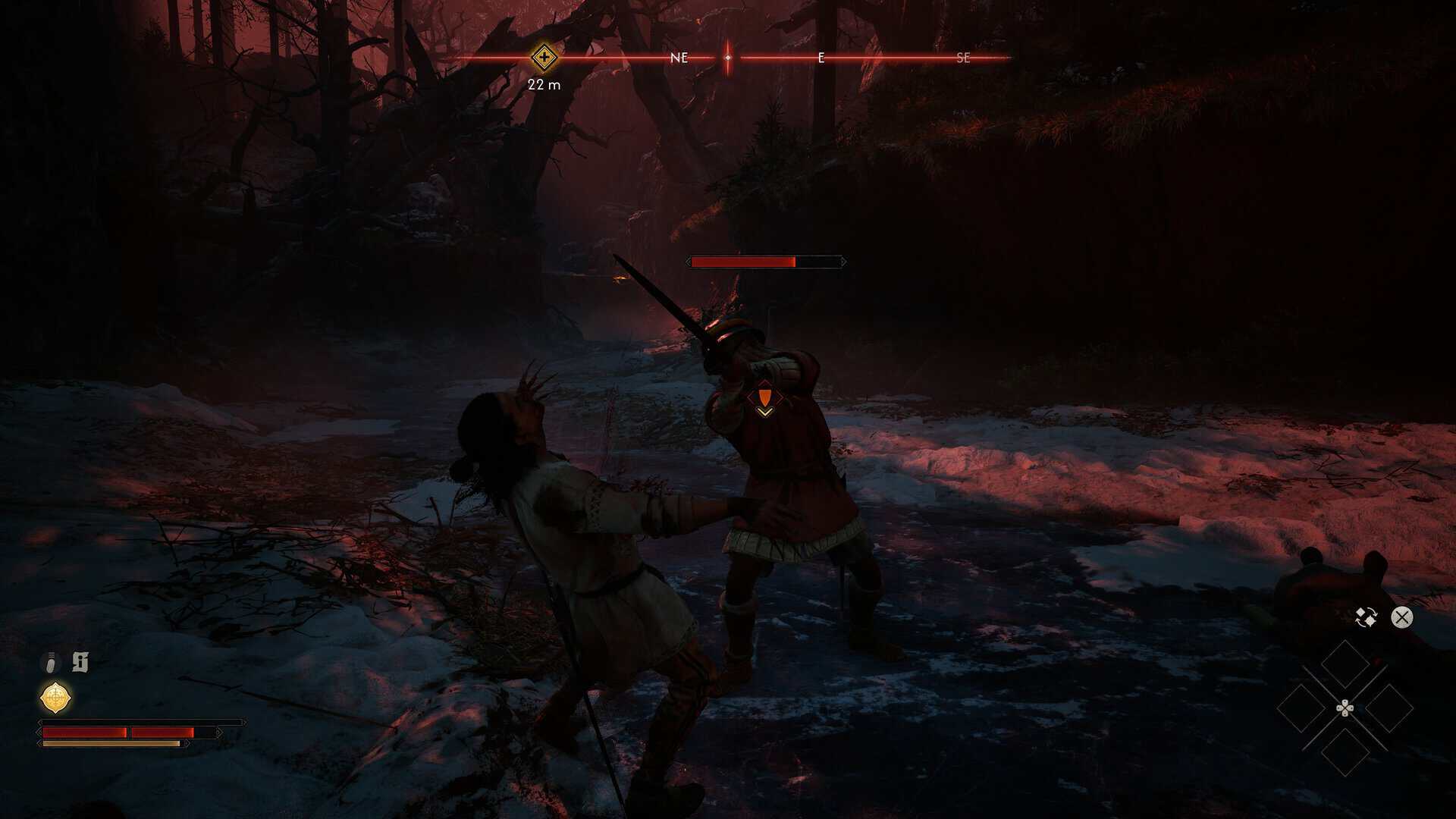
As a vampire, Coen can use his claws rather than a sword, and although these deal more baseline damage than a weapon, swordplay just felt so much more weighted. Combat feels almost rhythmic in a way; as you perform a series of Perfect Blocks and attacks in a row, the room is filled with the singing of blades, and it’s satisfying as hell. To begin with, I really loved the combat in The Blood of Dawnwalker. While exhilarating, it could also be challenging, as the smallest slip-up can throw off your whole rhythm, and some of those earlier combat encounters can swipe half your health in a single hit. But there seem to be some balancing issues that occur during the later stages of the game.
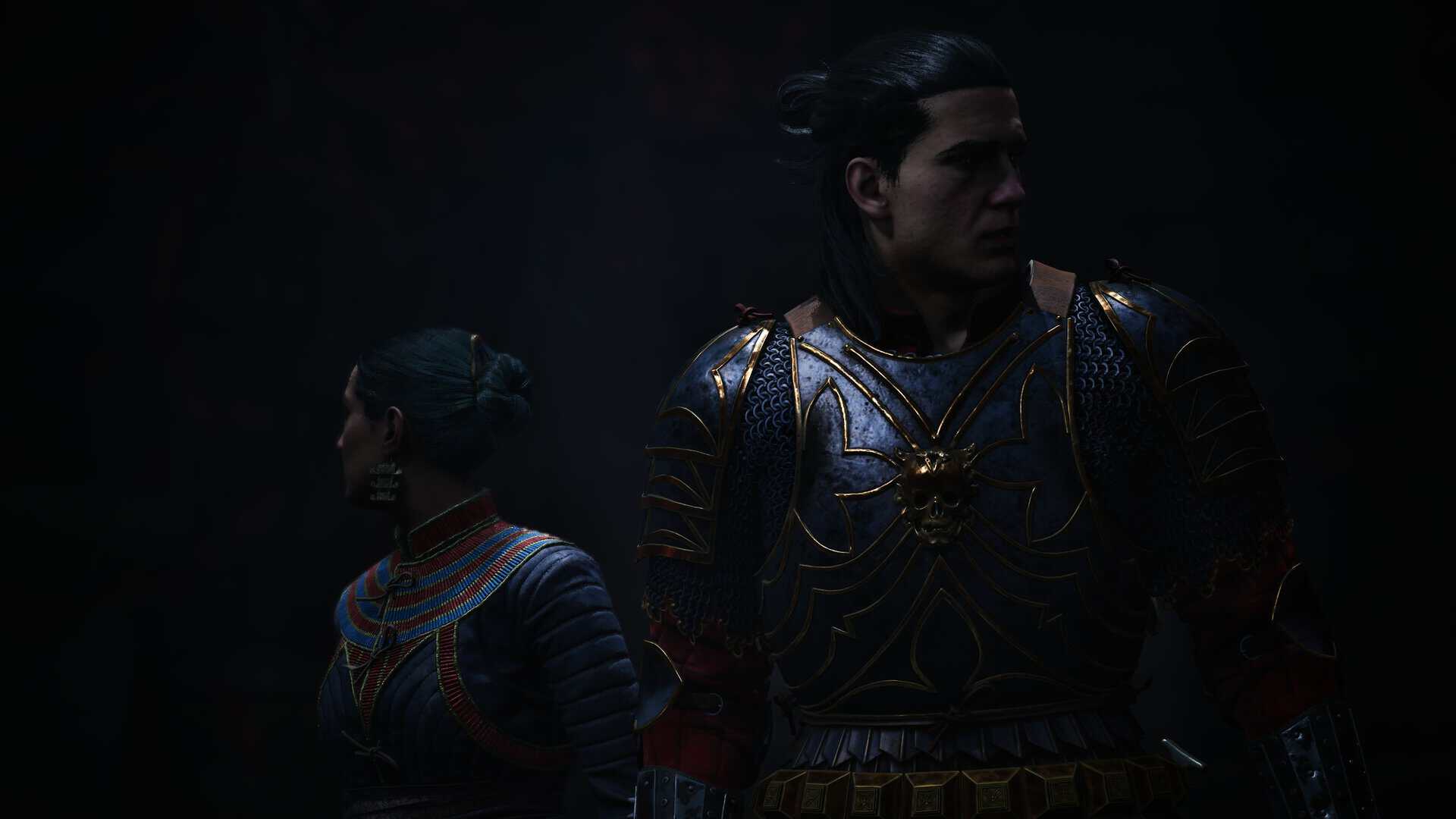
These issues were completely opposite depending on my equipment at the time. While I was levelling up both my skills and armour, I put off gathering the pieces to assemble the “endgame” armour and sword that Coen is wearing on the box art until last, which we’re told should give us a leg up against Brencis. Until then, the scaling of regular enemies that you encounter in the wild, such as wolves and bears, seemed extensive to the point where I was dealing much more damage than I was at the start of the game, but just wasn’t feeling that against their health bars. After killing a Vrakhir, I should have been carving through wolves and boars like butter. This issue was only resolved once I finally crafted the Arbiter’s Armor and the Imbued Sword of St. Mihai. But there was another problem with enemy scaling, as this same effect didn’t seem to apply to bosses, which I was cleaning off in a few swipes, even the core storyline bosses such as the Boyars.
This did interfere with world exploration towards the later stages of the game when I eventually grew tired of facing off against these enemies every time I encountered them in the wild. While you can eventually run away if you get far enough, you can’t break out of the combat stance, and Coen will get stuck on the smallest rock in the process. If a level 35 Coen was able to clean these enemies off in seconds, as he would realistically be able to do, this wouldn’t be so much of an issue.
While Coen’s attacks didn’t seem to be improving against regular boars and wolves in the wild, I did somehow manage to break his health pool by having multiple health regeneration skills unlocked. I somehow managed to stack these to the point that I basically became invulnerable as a Vrakhir, even against Boyars, and even after raising the difficulty, which I rarely ever have to do on a first run just to find some challenge somewhere. This was so severe that I initially thought the game had bugged.
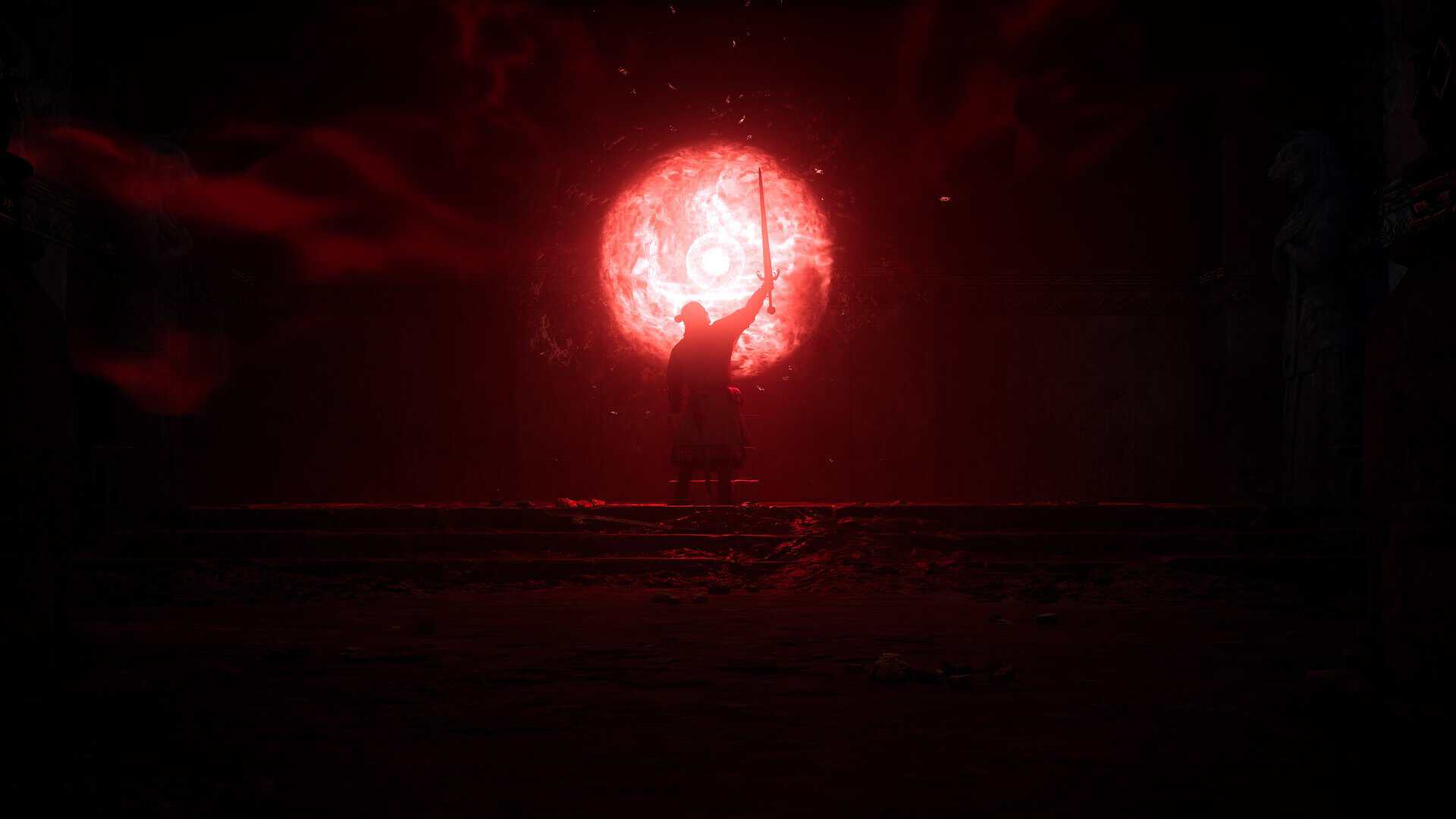
Of course, being a Vrakhir plays a big part in Coen’s story as well as the gameplay. During the day, Coen is a regular human and can consume food and potions for healing and other status effects. He’s weaker, but can use his Witchcraft ability, which is impossible as a Vrakhir, as it requires bloodletting and Coen heals too quickly to let his own blood. At night, Coen is like any other Vrakhir and can tap into his Vampirism skills, including teleportation and wall-walking, which means some activities such as climbing towers can only be accomplished at night.
But, obviously, there’s another catch here. While Coen has access to his Vrakhir powers at night, he also suffers from the same insatiable thirst that the curse brings, which can affect the story too. While Coen can’t consume food or potions to heal at night, drinking blood does this. But blood has another purpose besides healing; it also stops Coen from losing control. Vampire health is split into segments, which you can increase as you level up. If you let it drop into one segment and you start a conversation with any NPC, even ones that are vital for the narrative, Coen will lose control of his hunger and kill them. It’s a shocking mechanic, and one that means you have to be very careful when starting a conversation right after combat; you might just end up killing that farmer you’ve just saved from wild boars if they tore into your health too much and you forgot to heal before speaking to him.
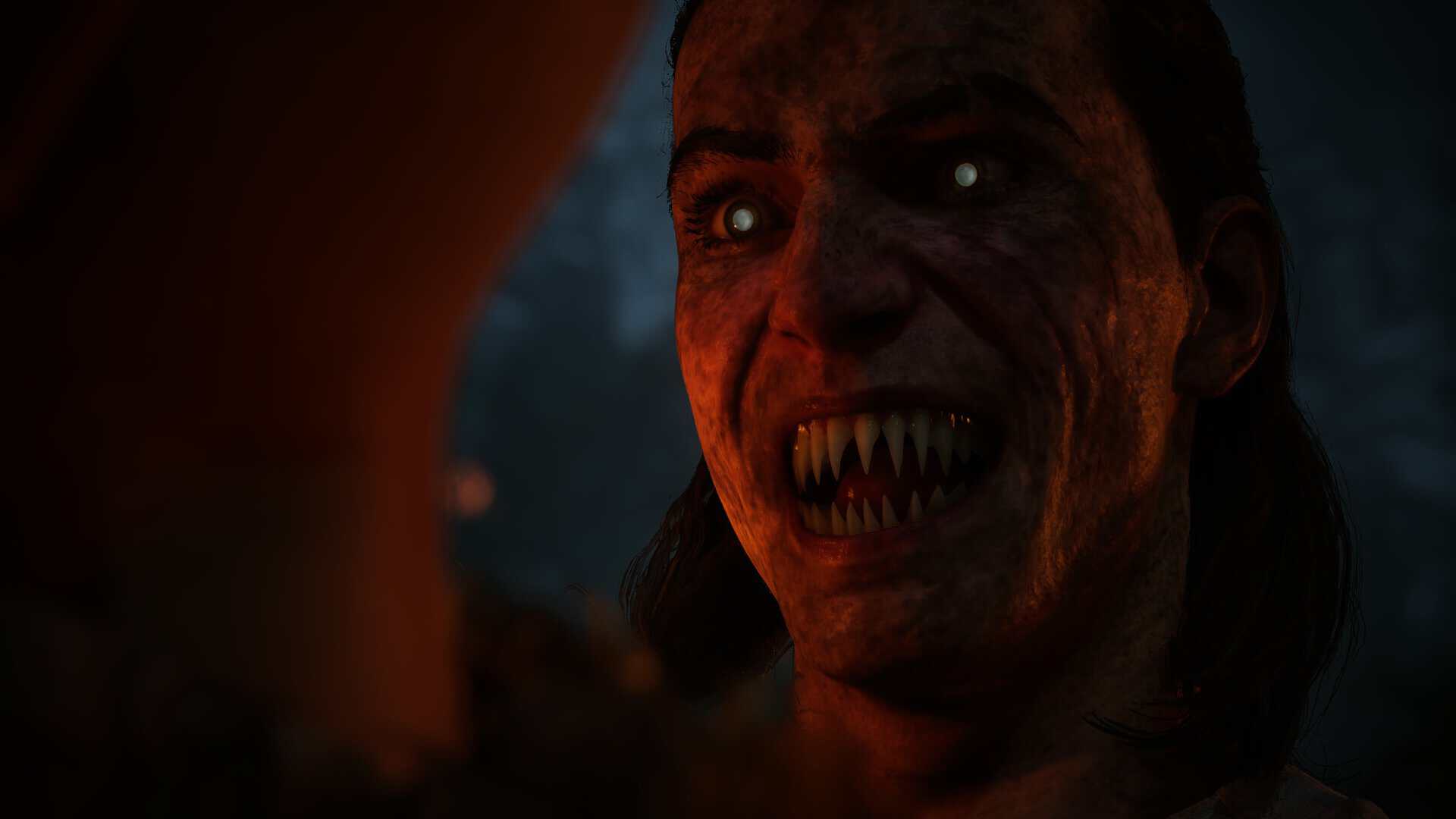
Not only does this add unpredictability to Coen’s condition, but it also strengthens the narrative and adds weight to the predicament he’s now in, as well as his grief for the life he’s now lost. This will likely be explored more in the sequels, but as a Dawnwalker, it’s pointed out a few times that Coen will never truly fit in anywhere for the remainder of his existence. Among humans, Coen is a monster (and being a witch probably doesn’t help either); among the Vrakhiri, he’s a halfblood. There’s also a feeling of existential dread as the game explores the consequences of eternal life and what that can look like, something not often covered in vampire media, and also what happens to cursed souls that are damned from heaven – a topic that will also likely be explored more in the sequels. In short: Brencis has ruined Coen’s life, and as much as he may try, he’ll never have the freedom to live how he wants.
The character writing in The Blood of Dawnwalker is really well done, and Coen has quickly become one of my favourite video game protagonists. There’s a sensitivity and vulnerability to him which you don’t see very often in male video game protagonists, which was really refreshing and surprising to see. I’m both looking forward to and also dreading where Coen’s character is taken in the sequels as he starts to lose that doe-eyed innocence that he starts the game with. That being said, this is a tragic character, and he starts off that way too, with the details of his background being trickled in throughout the story; some of the larger pieces of information are withheld even for random side quests.
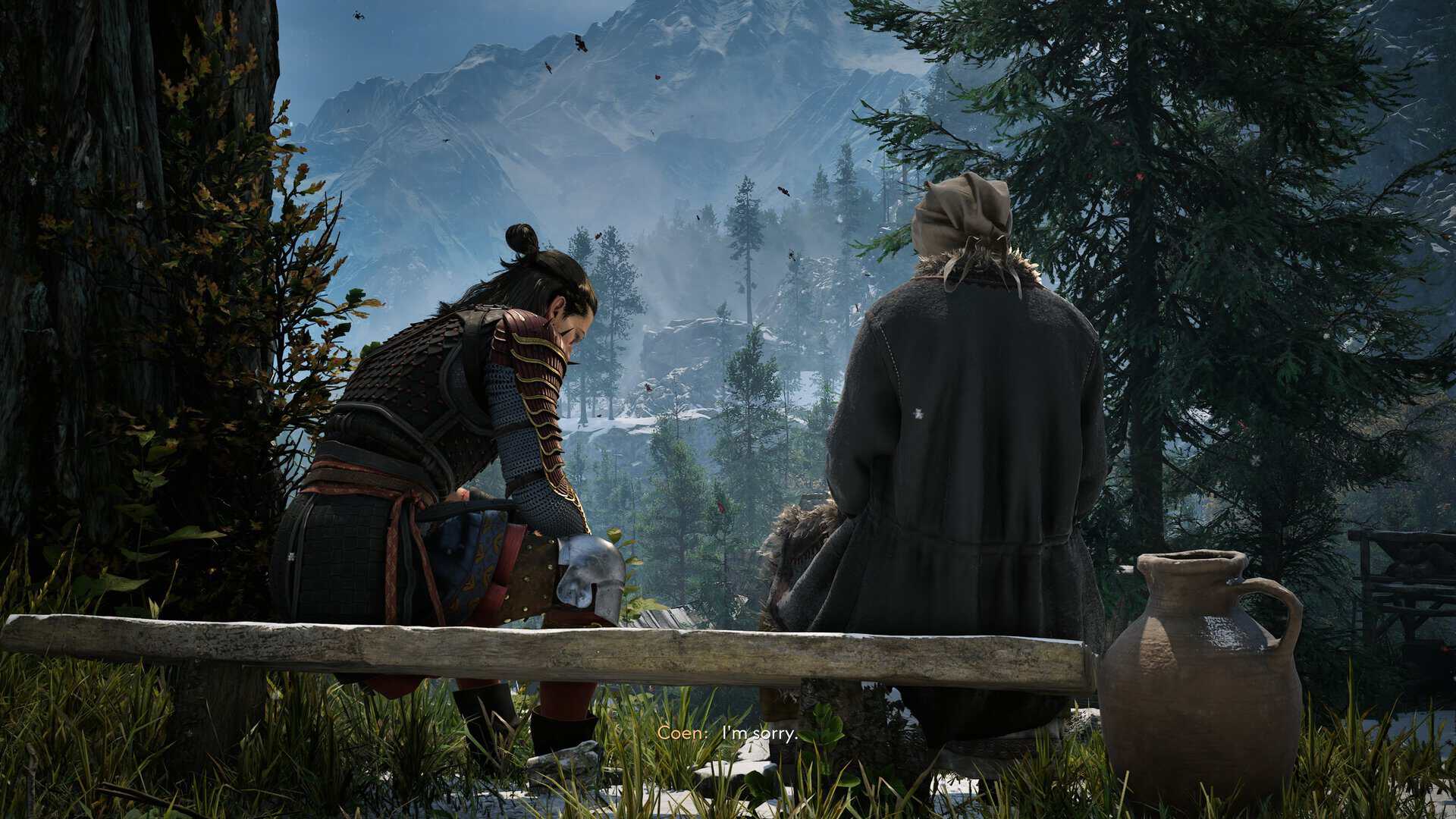
This strong writing extends to the other characters you encounter in The Blood of Dawnwalker; they all have a tremendous amount of depth for the short time you spend with them. While The Blood of Dawnwalker has nowhere near the amount of quests that similar open-world RPGs have, it makes sure that the majority of them are filled to the brim with some fantastic writing and surprising reveals, including some unexpected ones that you’ll just stumble upon while exploring the world.
That being said, I went into The Blood of Dawnwalker expecting to face a small open world that’s so densely packed with things to do that I wouldn’t possibly have time to do them all. As advertised, I was expecting a game that needed multiple runs in order to cover everything. But by day 25, I ran out of things to do. Unless you stop for every single person in trouble, or take on every single bear or kobold den you encounter, you will have plenty of time to do all the available side quests and more, as I did. I even had time to romance all three love interests. I ended up starting the endgame events with five days to spare.
This likely won’t be so much of a problem for those who were genuinely concerned about the time limit, but it also means that The Blood of Dawnwalker is not the game that was promised when it was initially revealed. It feels incomplete in a way, and will definitely disappoint those who will go into it because of its ties with The Witcher 3, a game that you can easily sink 100 hours into. While I have absolutely no issues with a 30-hour open-world RPG, especially because I went into The Blood of Dawnwalker expecting this, I definitely wish Rebel Wolves had committed more to the time mechanic they promised.
The Blood of Dawnwalker feeling incomplete also isn’t helped by the fact that, throughout my time with the game, I had one nagging thought on my mind: I wish this game had stealth. It feels like stealth was initially an option – after all, Coen can crouch, and a lot of the late-game infamy effects would have benefited greatly from a stealth system to avoid confrontation with soldiers in the city. We can teleport across rooftops, Dishonored-style, and can even unlock an ability to do instant-kill takedowns on unsuspecting enemies. Stealth very much feels like something that was implemented and abandoned midway through development, and it’s something that was definitely missing in the overall experience.
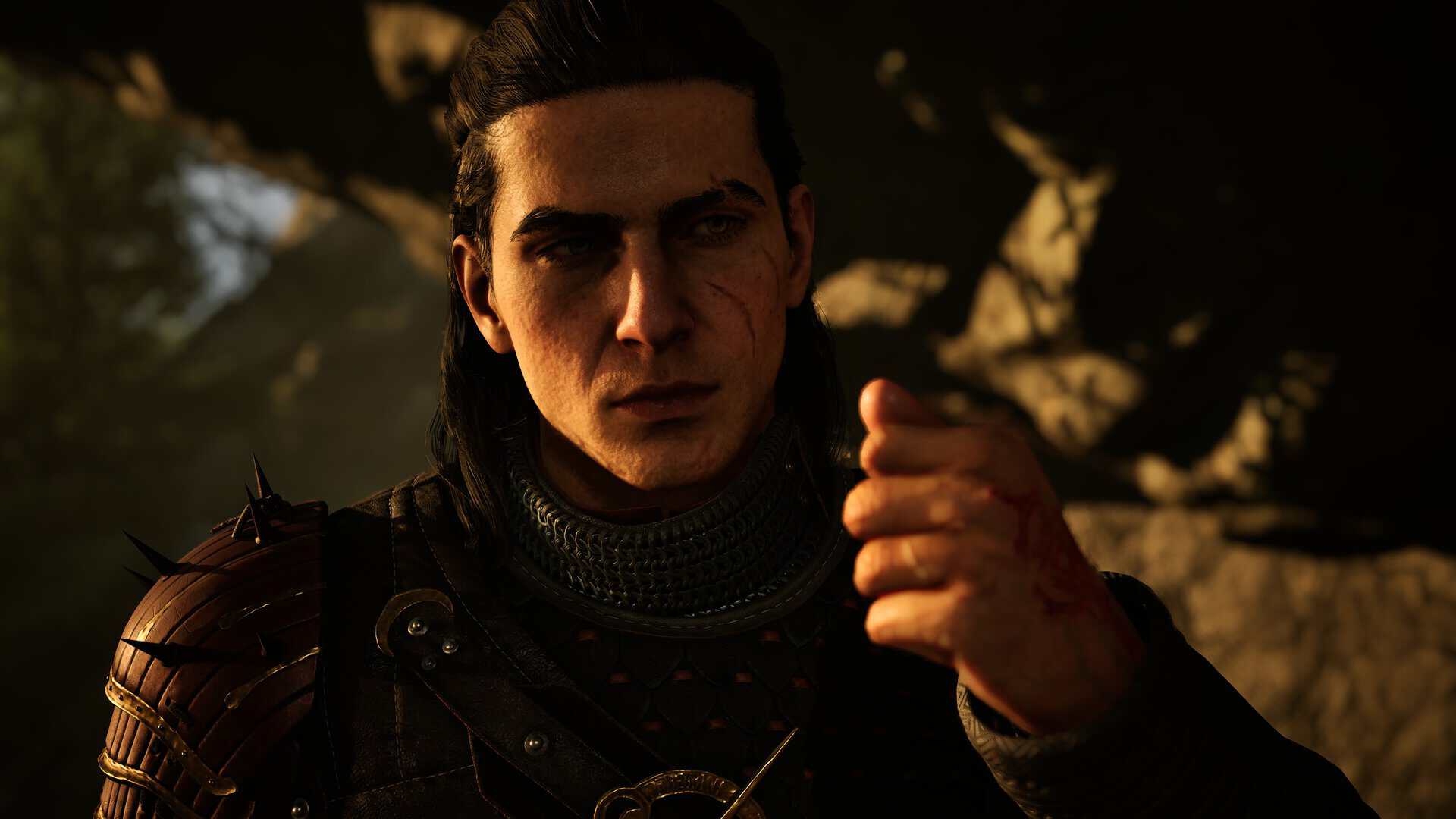
And as much as I’ve praised how interconnected all the side quests feel, I did have one major issue with the way this is written. Very rarely was the information I had gathered or the things I had done reflected in other quests. The most glaring case of this was when Lacra asked me if I had heard of Saint Mihai. Not only is Saint Mihai THE saint of Vale Sangora, but I had just done a quest where I had researched this religious figure, searched his tomb, was now on a quest to piece together his legendary sword, and had learned some shocking details about him. The only dialogue option was to say, “Yes, I did know who Saint Mihai was.” This, again, feeds into the idea that The Blood of Dawnwalker was wrapped up before a lot of much-needed fine-tuning could be completed.
I loved my time with The Blood of Dawnwalker. While I’m gutted that the reveal that its sequels will eventually cover the modern day was revealed before the game had even released, as this would have been an amazing endgame reveal, the prospect of sequels improving on the mechanics already in place excites me, and I also can’t wait to see where these characters and this world are taken next. However, it’s messy, and I do think a lot of its gameplay needs to be improved on later. But nevertheless, The Blood of Dawnwalker is a fantastic game and one of the better open-world RPGs that I’ve played in recent years. Don’t go into it expecting The Witcher 3 again and be ready for a shorter experience, albeit one that could have been done with more refining, and you won’t be disappointed. And if the time mechanic has been putting you off – don’t worry about it!
Jess reviewed The Blood of Dawnwalker on PlayStation 5 with her own bought copy. This review is based on the version of the game that was available at the time of writing, and our score will not be changed.
- Score
- 8/10 EXCELLENT - GAMEOBSERVER RECOMMENDS
- Summary
-
Jess says: I loved my time with The Blood of Dawnwalker and while I initially felt like the sequels were prematurely announced, the prospect of spending more time in this world with these characters is very exciting. While I wish Rebel Wolves had comitted more to the time mechanic, and the combat needs some fine-tuning, overall this game is hugely enjoyable and one of the better open world RPGs I've played in years.
- More
- GameObserver's Review Policy


 ObserverCrew Picks
 bserver
 bserver