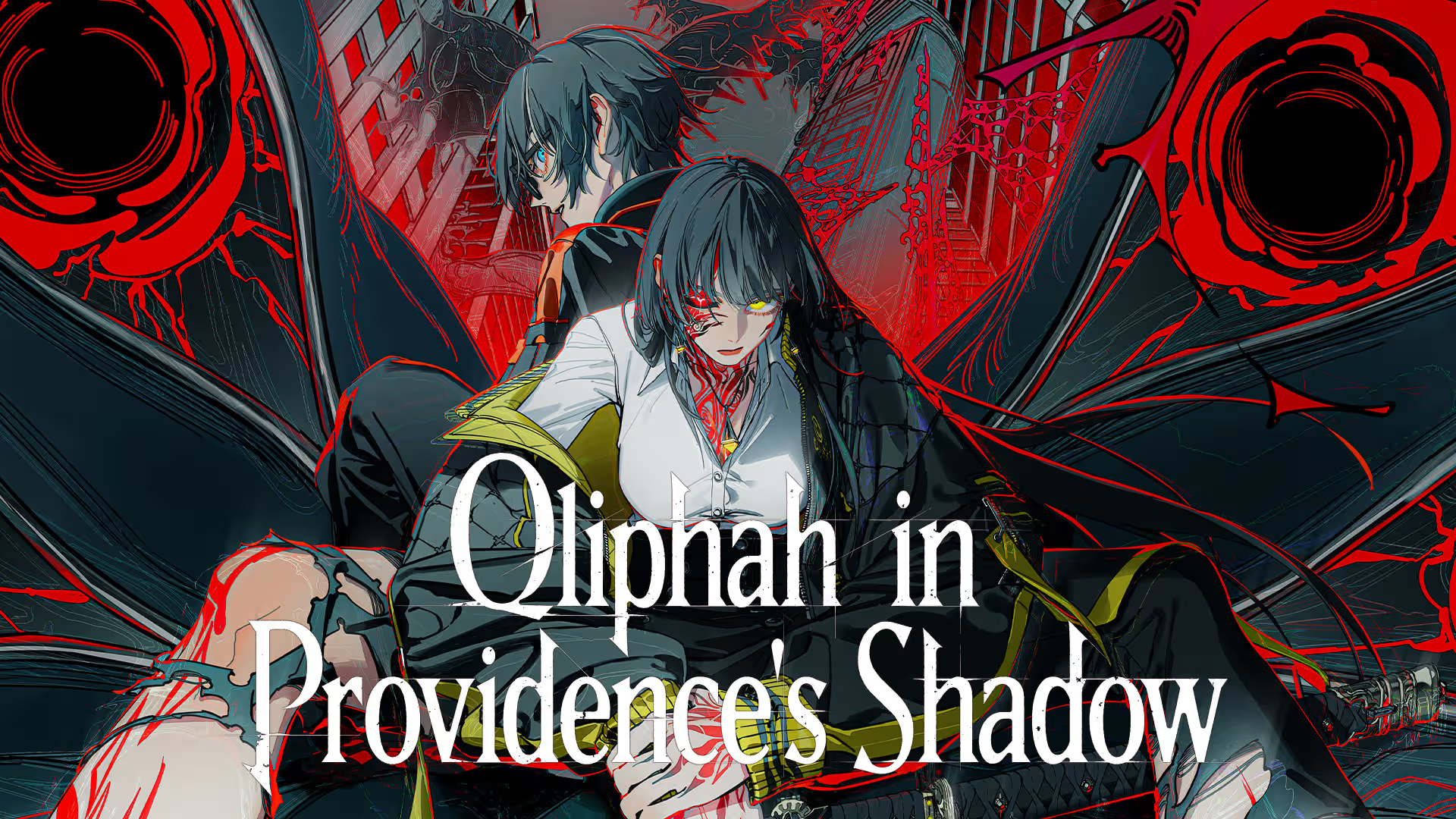
It’s not often you get to witness the birth of a brand-new combat system. The reveal of Qliphah in Providence’s Shadow at the ARC Showcase back in June this year went weirdly under-discussed given the pedigree of the game’s publisher and co-developer, Arc System Works. You’d think fresh ideas from a company this notable wouldn’t slip under the radar. Well, it didn’t slip under mine. I’ve been itching to get my hands on Qliphah for months and see what it’s all about.
A self-described “tactical counter-timeline RPG,” the main draw of the Qliphah in Providence’s Shadow is undoubtedly its novel spin on real-time with pause encounters. In many ways, my excitement for it was built off the recent boom of successful turn-based RPGs implementing action elements—a once-bustling field full of memorable, largely successful experiments that saw a return to form following a stagnation period throughout the 2010s. With a spark reignited, each title that goes further with the concepts feels like it has the potential to become a breakthrough innovation. The current environment undoubtedly works in Qliphah’s favor.
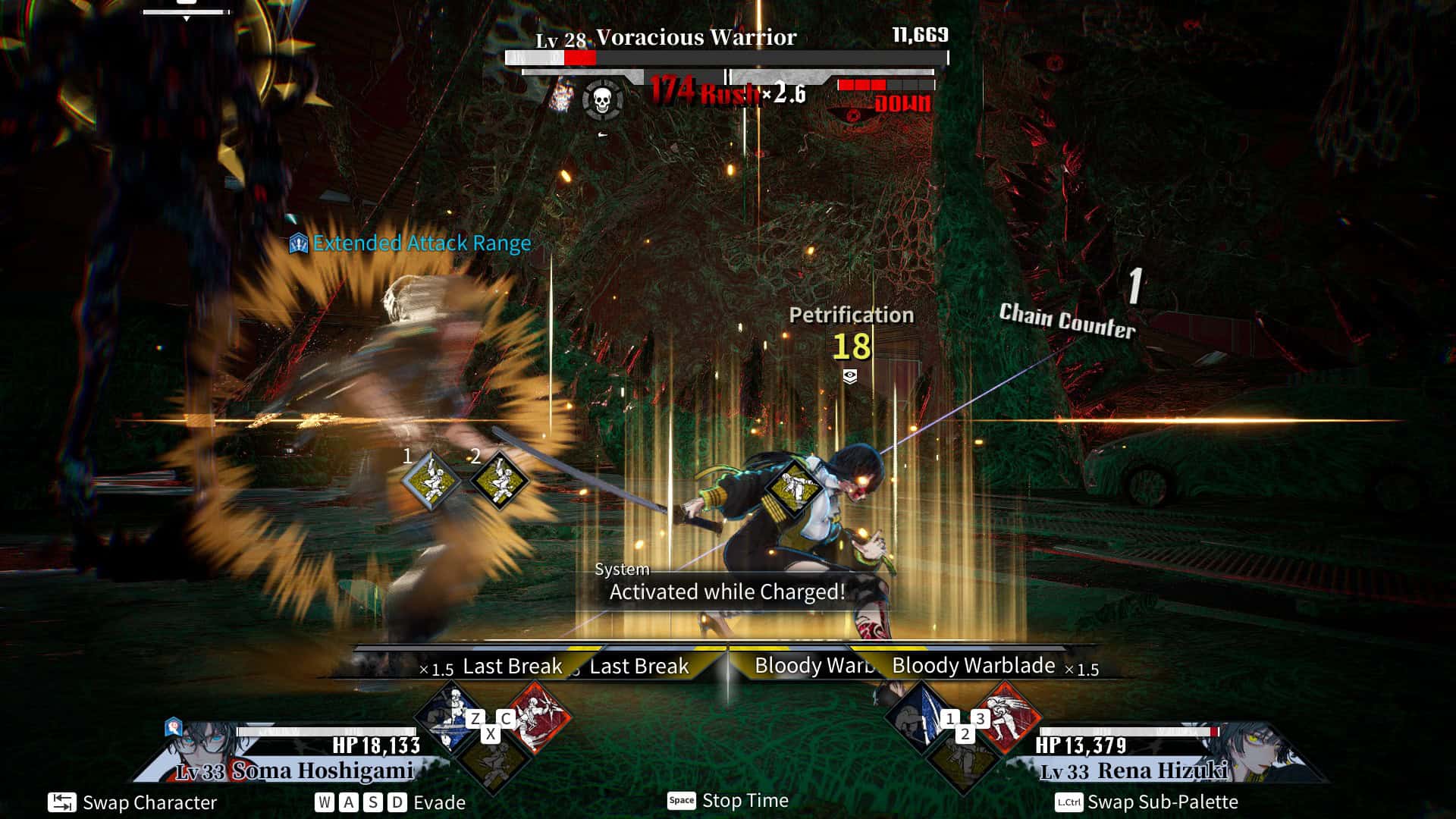
The innovation comes in the form of visualization. Almost everything in Qliphah is telegraphed on two timelines: one for the two supernatural fighter protagonists, Rena Hizuki and Soma Hoshigami, and another for the currently targeted enemy. This allows for the act of countering, where you match an attack to the color of the enemy’s upcoming attack. Bar a bunch of colorless moves that must be blocked or dodged.
The counters can be performed using the combined attacks of Rena and Soma, or individually, and after enough successes, the enemy goes into a downed position where they can then be continuously wailed on without worry, capping the onslaught with a mass-damage special attack. That’s the ideal scenario, at least. It’s all about reactive tactics, timing your attacks so you can react to those of the enemy while maintaining a rhythm.
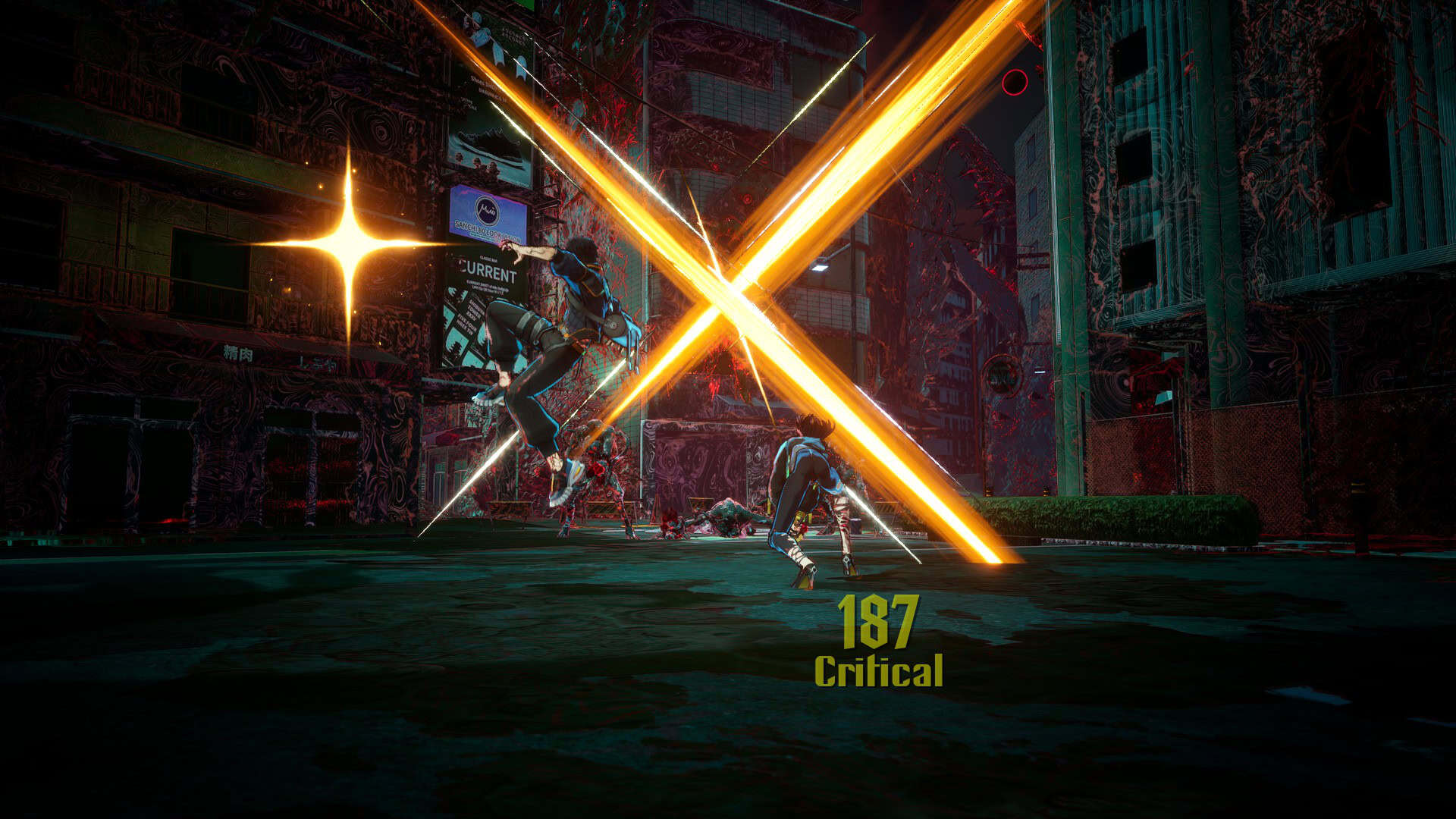
Jumping right into the hardest difficulty, I really struggled with beating even the first few enemies. I love to be caught off-guard by new systems, navigating the unknown, and I expected exactly that coming into Qliphah. I eventually sort of got the gist of it and started selecting newly obtained buffs to strengthen my characters, speccing into a highly enjoyable glass cannon build. I was getting immersed in this mystery and lore, hoping to grow closer to the characters as the game continues.
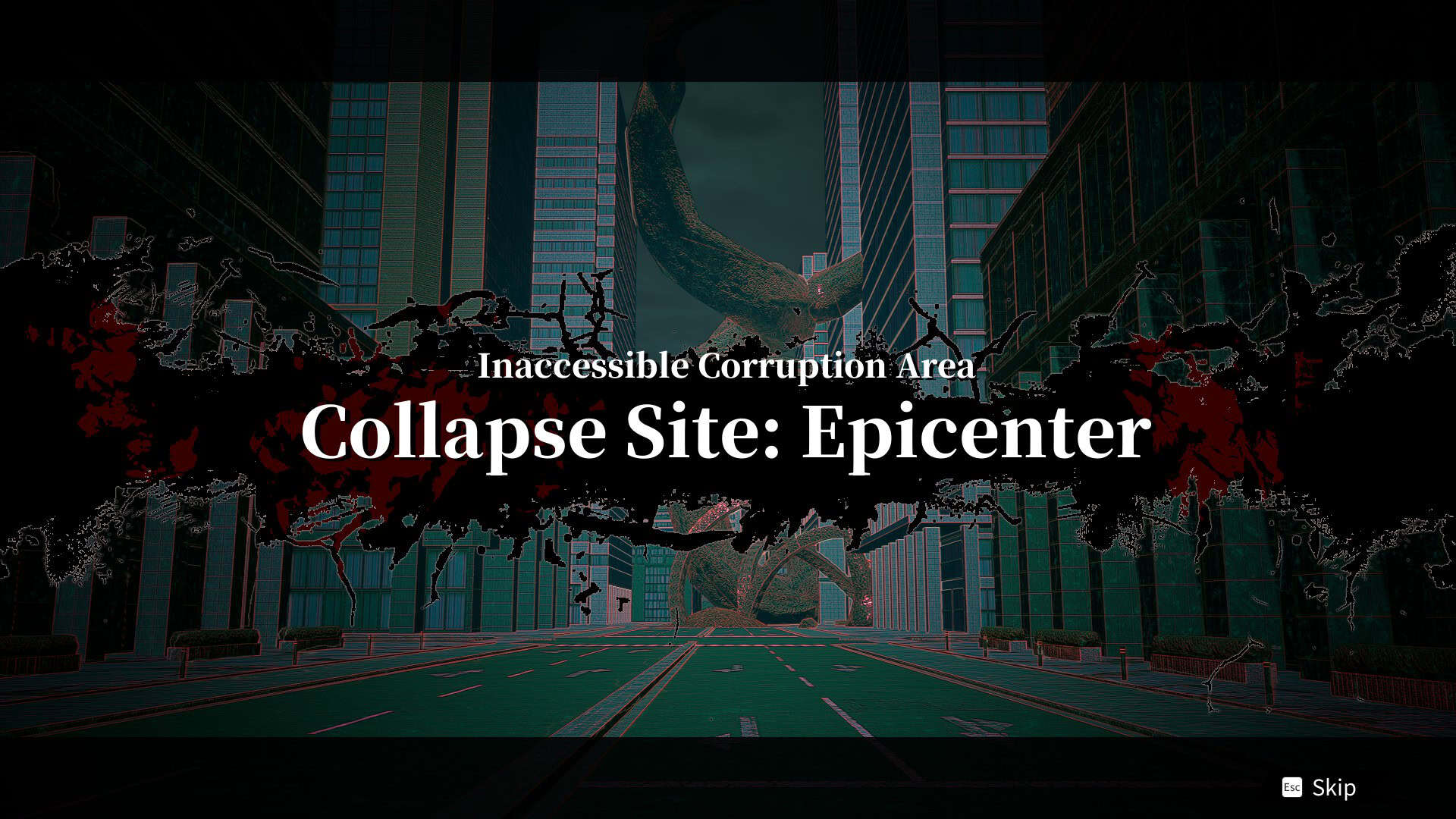
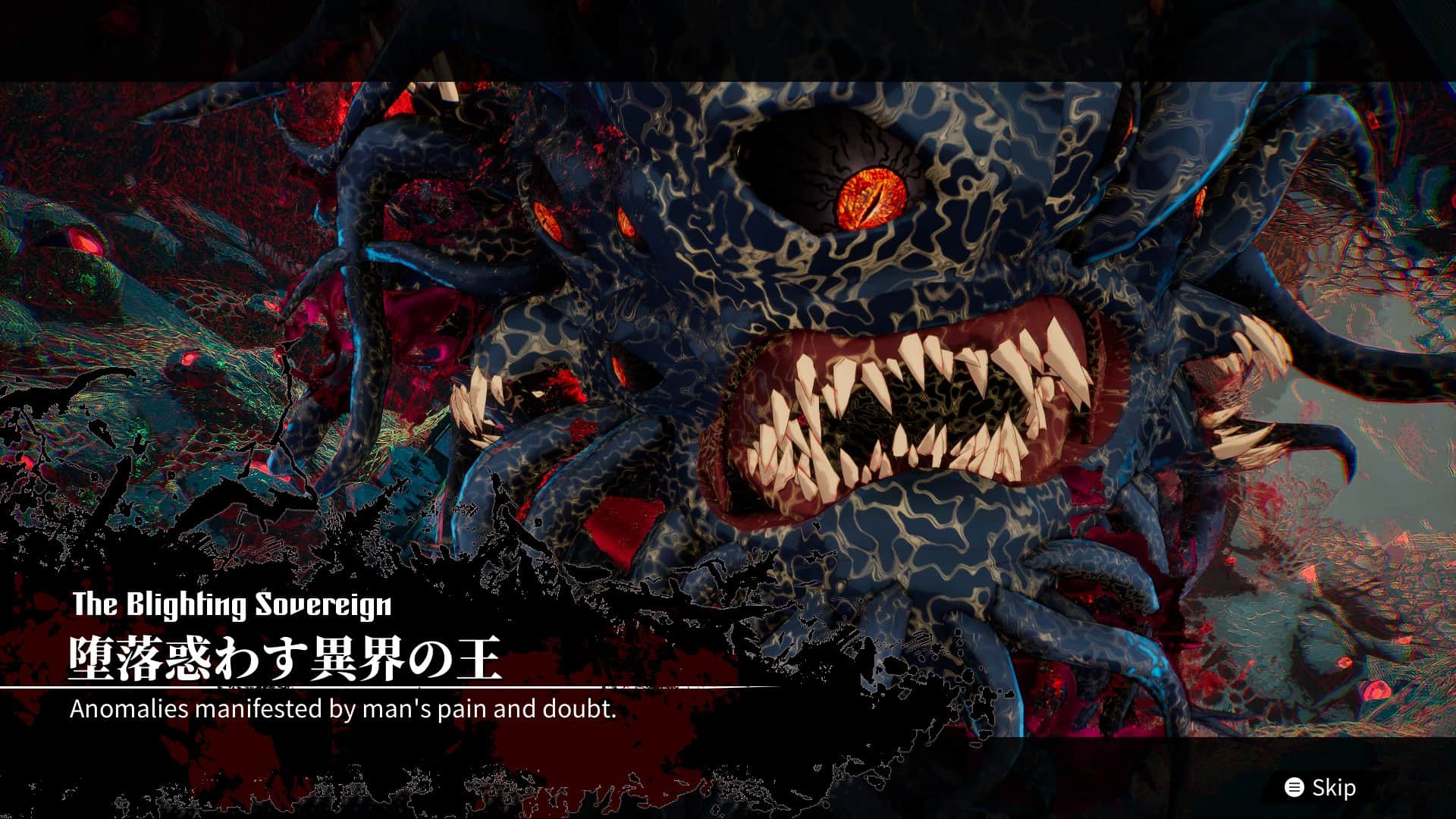
Early on, I was especially impressed with the game’s aesthetic. It’s sort of ever-wriggling, as if the colorful contours lived a life of their own, popping into existence in the wrong spots and with different colors, always on the move. The roughness of it all really drove home the oppressive and esoteric atmosphere of this alternate-reality Shibuya. The text that introduces new locations is laid out on these dark splatters with a white outline that really highlights the sharp edges of the asset, making it look like a low-effort copy-paste job that weirdly fits in with the pulsing flesh masses, gazing eyes, and grotesque anomalies. It’s like an elevated version of an early-internet site created by a self-proclaimed edgelord, befitting a story about grotesque monsters and mysterious plot threads formed from internet conspiracies. I also loved the enemy designs, some really gnarly monsters here. The 3D graphics are probably the best part of the game!
Ah. I finally slipped, didn’t I?
It’s sadly time to break the spell. I wanted to set up Qliphah for you the same way I first saw it—a (fleshy) sea of boundless potential. Yet, it did not take long to lose sight of all the good. If I had to describe it in three words after my 15-hour playthrough, I’d go for a classic: “tedious, frustrating, and boring.” That final label hurts the most; I’d never have thought that the result of all this promise would be this mind-numbing.
It’d only be fair to start with what I hyped myself up for the most. I can definitely still see the potential in Qliphah’s combat, but the encounters here were largely a poor first impression of the system. Starting at the most basic level, a few enemy attacks came out before their indicated timing, and some damage indicators were just flat-out incorrect or missing for no particular reason. Sometimes, my ability to change targets was removed for an entire attempt.
Such inconsistencies make it hard to gauge the combat system’s potential in the long run, but I believe the formula is mostly good. There are awkward moments when you clearly want to wait on the enemy’s next move, and so you just wait in slow-motion to execute a block, dodge, or counter, but it’s an acceptable quirk of an otherwise entertaining system of risk vs reward. You want to keep the multi-hit damage multiplier going, but you have to weigh whether you’ll be able to execute a dodge, which allows you to cancel your current attack, should you need to pivot mid-animation. I can definitely see this system incorporated effectively in many future RPGs.
It’s the elements surrounding it that really fail to highlight the potential. There are too few unique encounters throughout the campaign to prevent tedium from kicking in. Not even the exciting battle themes or the cacophony of sound effects manage to pierce through it. Encounters against multiple enemies, meanwhile, often prove an absolute chore. You can only see the timeline of attacks for the enemy you’re currently targeting, and you can’t stop time during an attack, so you have to awkwardly listen for subtle attack startup sounds amid the absolute chaos of slashes, strikes, and explosions.
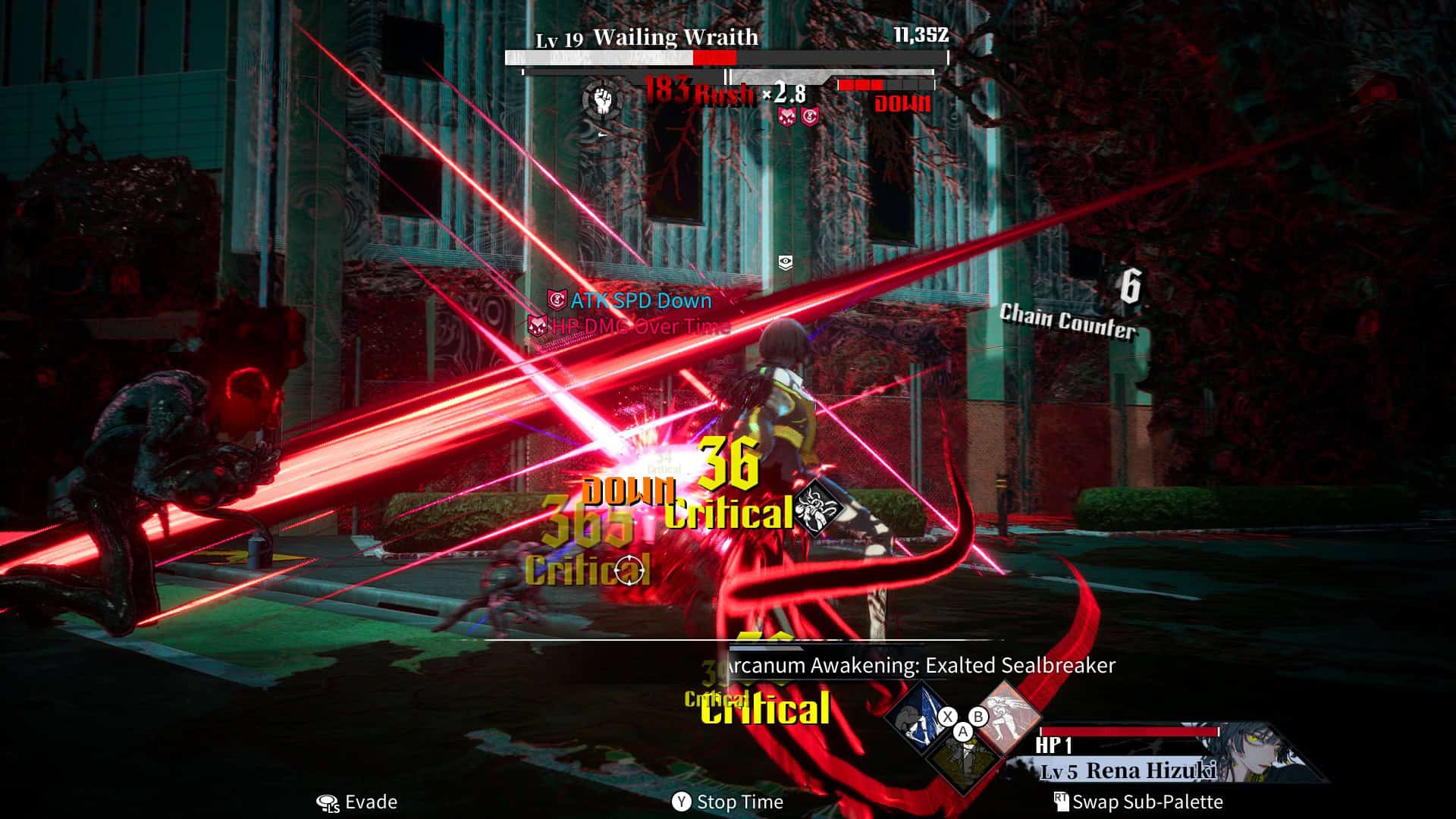
In those situations, you want to quickly switch to the other enemy mid-animation, making the already jumpy camera go wild, and hope you can time a dodge out of your attack on the other creature. If that’s even possible. Sometimes enemies collaborate in a way where only a combo of dodge and block (which has a cooldown period) can prevent taking damage. As is, the system does not feel good when multiple, independently attacking targets are on the field.
Further inconsistencies rear their head in such situations. The dodge is very, very wonky. While it does have invincibility frames, and you can execute perfect dodges that lower one of the enemy’s meters, you largely want to use it to move out of the MMO-like area-of-effect indicators. Sometimes, the dodge just straight up fails to move you in the direction you press, or fails to move you at all. I had many comical moments of waiting in slow motion for an attack to come out, pressing dodge, and watching the character roll in place before getting completely wrecked by follow-up attacks. I switched off that glass cannon build real quick.
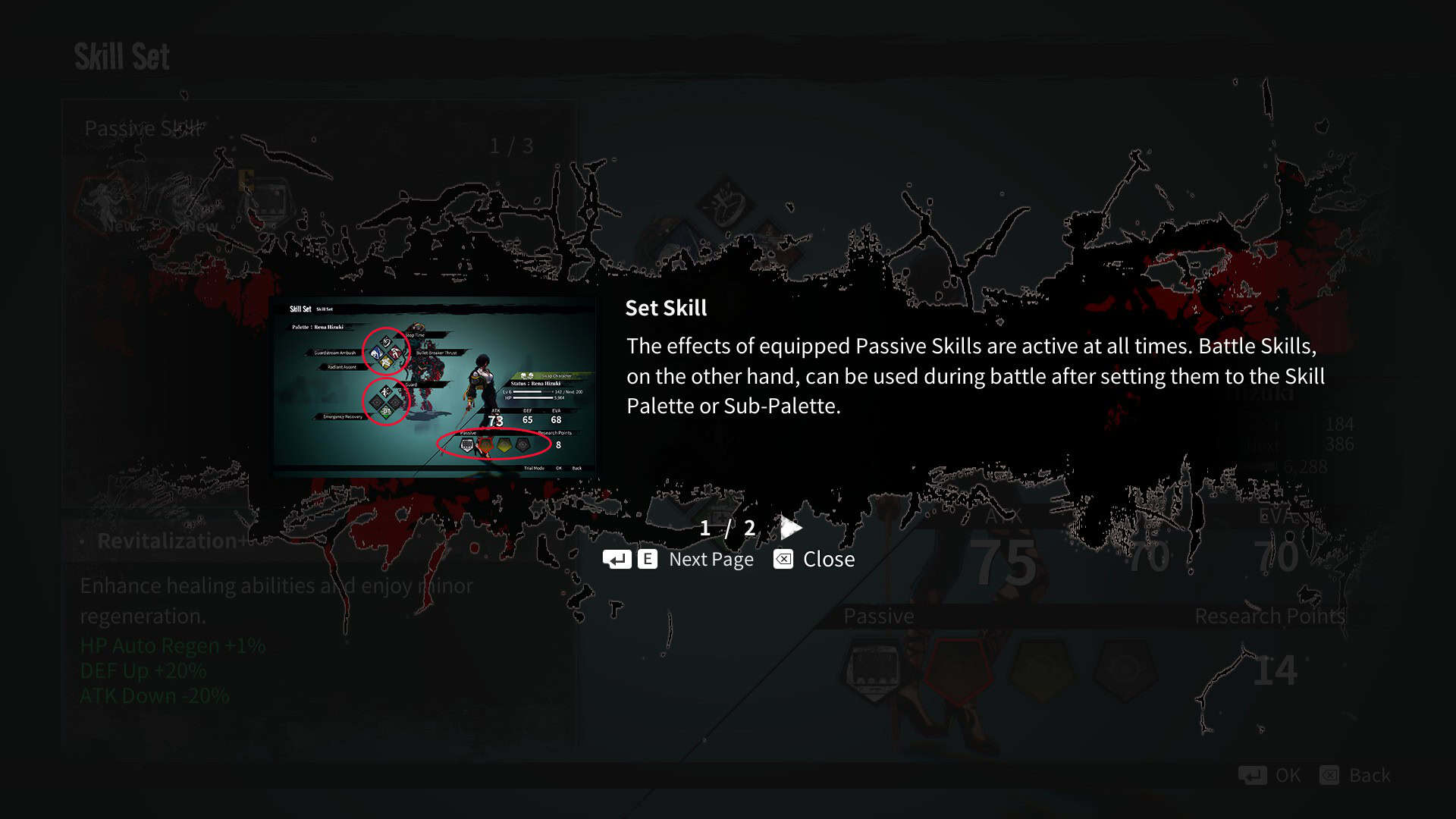
A few of my frustrations were relieved by lowering the difficulty (the highest scales enemies’ health to a ridiculous degree) and obtaining stronger skills, shortening the fights, but overall, customization feels really unrewarding. I quickly picked a few damage and speed-up buffs and never looked back because, frankly, even on the hardest difficulty, countering specific enemy types is just a bad idea. The entire point of the system is to use the enemy’s damage against them, so why would I be upping my defenses or worrying about status conditions?
And why would I be switching my attacks for versions that take longer to deal damage? I always want the flexibility of an instantaneous attack since countering is my most powerful tool. Besides, each non-passive skill needs to be used to level up, and I couldn’t even max out the ones I’ve been using the whole game, even while using the valuable Research Points, so leveling one I gained access to halfway through the game sounds like madness, especially since I was already doing more than fine.
The aforementioned Research Points are gained by either completing simple tasks during regular encounters or by simply progressing the story. Skills are similarly unlocked by unraveling the mystery behind humans transforming into the game’s monsters, called Tier Ones. You pick a spot, investigate it, listen to a few lore dumps or a quick conversation between the paranormal force’s officer Rena and the newly infected Soma, who becomes her sidekick. And fight some basic grunts of course. Gotta do that twenty times an hour.
No beating around the bush, the game’s story and characters are trite. For most of my time, the comparison that kept popping into my head was to that of a rightfully forgotten anime. If you ever followed anime seasonally, you’ve likely stumbled on something similar—an uninspired story that strategically hits all the emotional beats without anything to stand out throughout what feels like an overlong season, even though it picked the shortest possible runtime of 12 episodes.
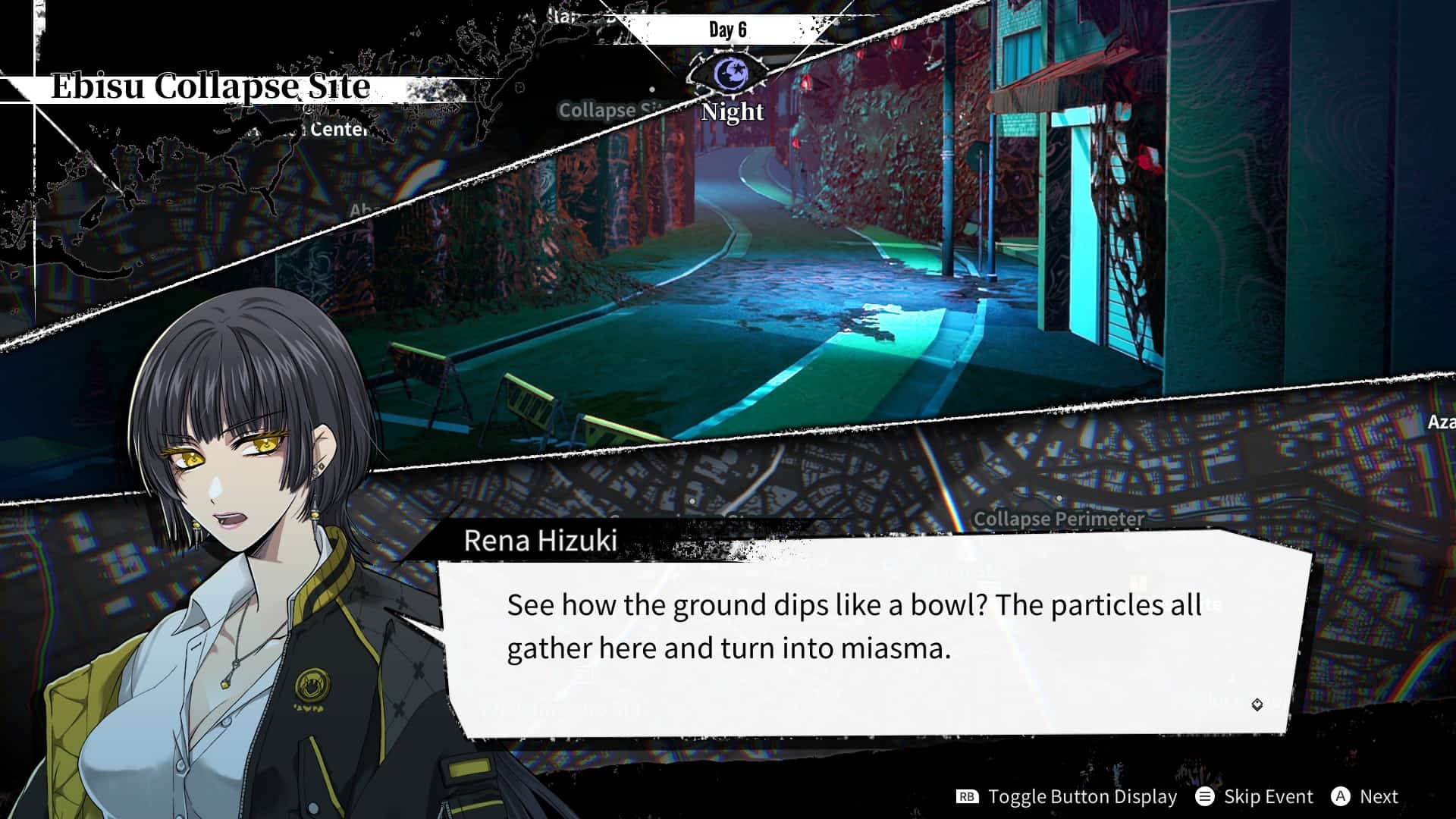
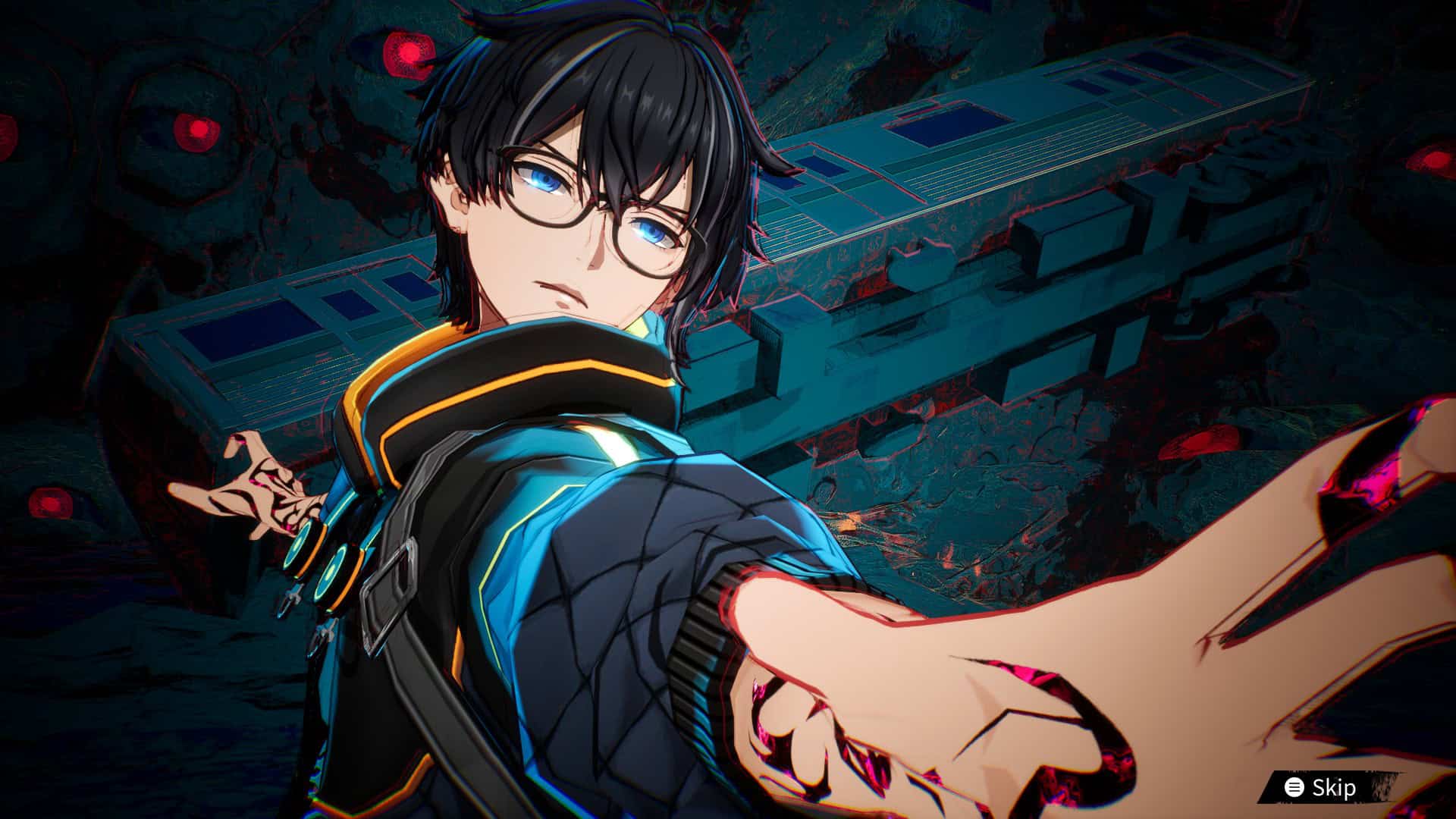
But the best way I can explain it now is that the campaign feels like a modern fighting game story mode. It’s as if you’re already supposed to know these characters, so going on relatively unimpressive adventures and uncovering a mystery can be enjoyable by virtue of pre-existing attachment. And you get to kick ass with your faves, of course. It skips steps that absolutely cannot be skipped by not building any attachment or interest in the debuting duo. And, of course, most scenes must end in a combat sequence. A genre trademark.
Character traits are few and far between; they come and go. A reveal that someone might know how to hack or is afraid of spiders is brought up in one scene and never again. There’s little unique perspective other than that of a senior and a junior, and some very basic talk of feeling sorry for the enemies that were once human. The writing is so uninspiring that at some point, a narrator comes in to explain how a character feels. The game’s fully voiced, and a lot of the performances articulate these emotions well enough, so this lack of confidence in the player reading the simple situation for what it is, even if it’s been repeated multiple times, is baffling. Other times, it just feels like the game cannot find a way to convey something without this suddenly introduced, omnipotent voice.
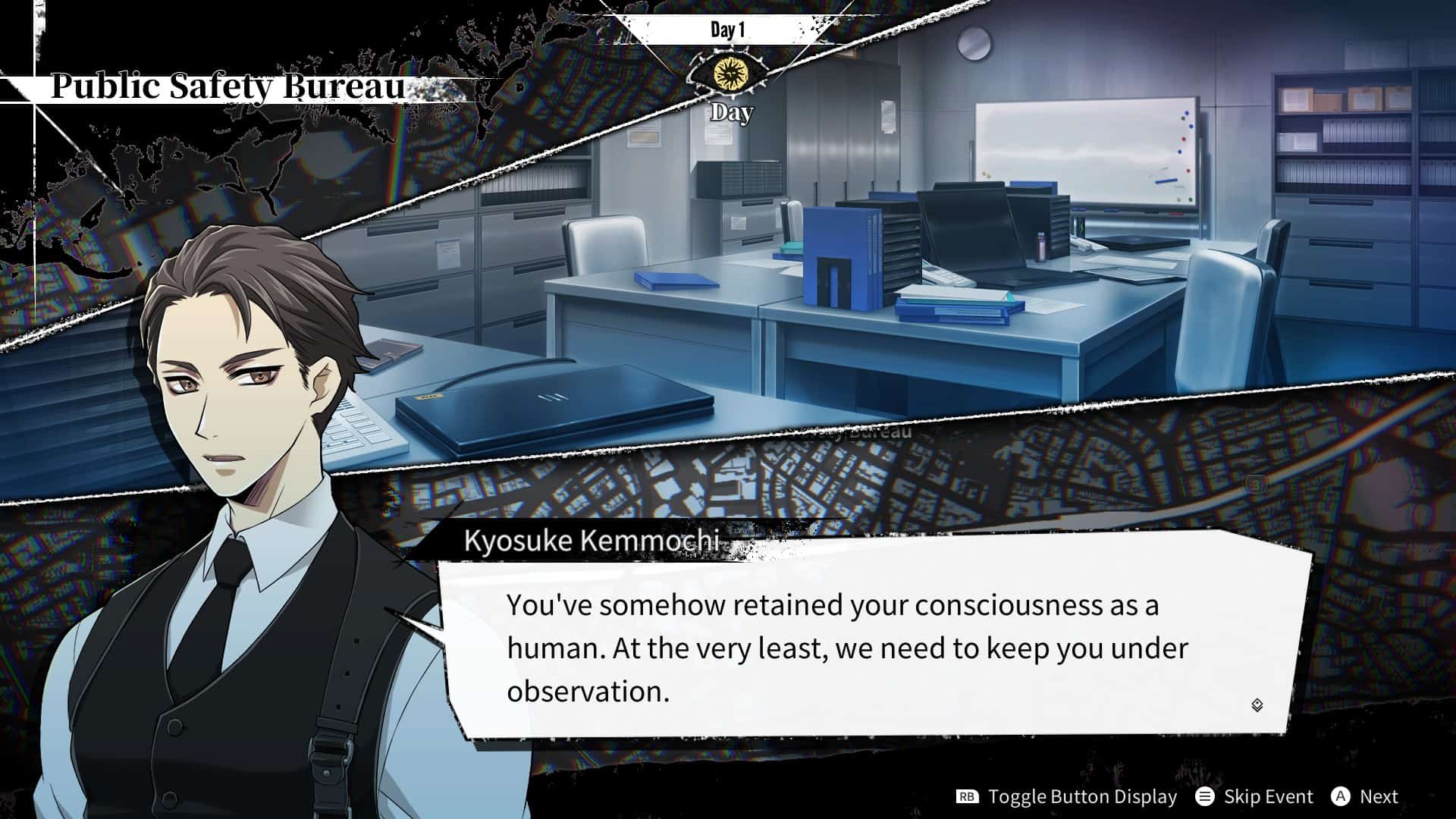
And it’s not like either character has anything to add to any situation. Mystery chases mystery, conspiracies flood the net, and tragedies beget tragedies, and they never have a unique perspective on either. The two are dragged along by plots of drug trades, humans changing into monsters, things always escalating, and they all just feel so detached from the situation. As mentioned, there’s basic human anger and sadness at the state of it all, an occasional quip or act of heroism, but I kept thinking: how many times can the game play the same emotional beats and expect me to buy into them with the same intensity? You’ve only given me basic banter and a ton of exposition; when was I supposed to get excited to follow these characters?
There was a chance that the game’s other writing could steal the show. Between missions, while on the world map, you can read case files for the various mysteries you followed, as well as an updating feed of social media messages. But there is just so much, and it quickly turns into noise. There’s an occasional silly picture of some creature, but some of them look outright bad. The art here looks really inconsistent, with pictures supposedly taken from smartphones vastly varying in art styles, some even seemingly incorrectly colored. I’ve been wondering what some of them even are for days at this point.
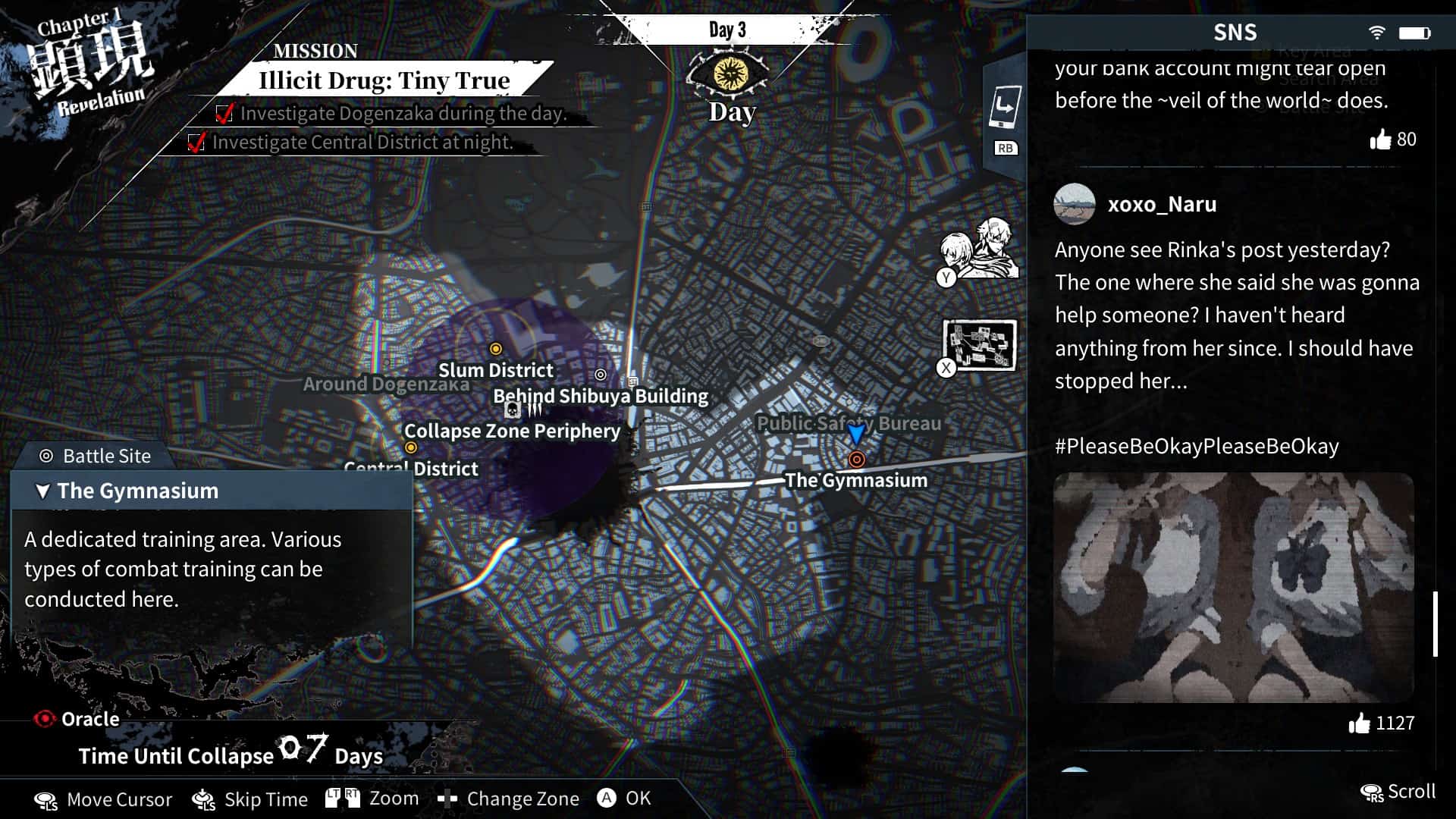
There’s also the fact that these messages serve as puzzles. Unlocking some skills requires inputting four-letter codes, which can be very easily found across these posts as the obvious random letters. You’ll often want to scroll through these and just check that final bit, never needing to actually read these posts to find them, further discouraging genuine engagement. Other codes are obtained by unlocking achievements. Still, as mentioned before, most of the skills really fail to make an impact, and I was consistently obtaining the highest combat rank with less than five total changes to my loadout.
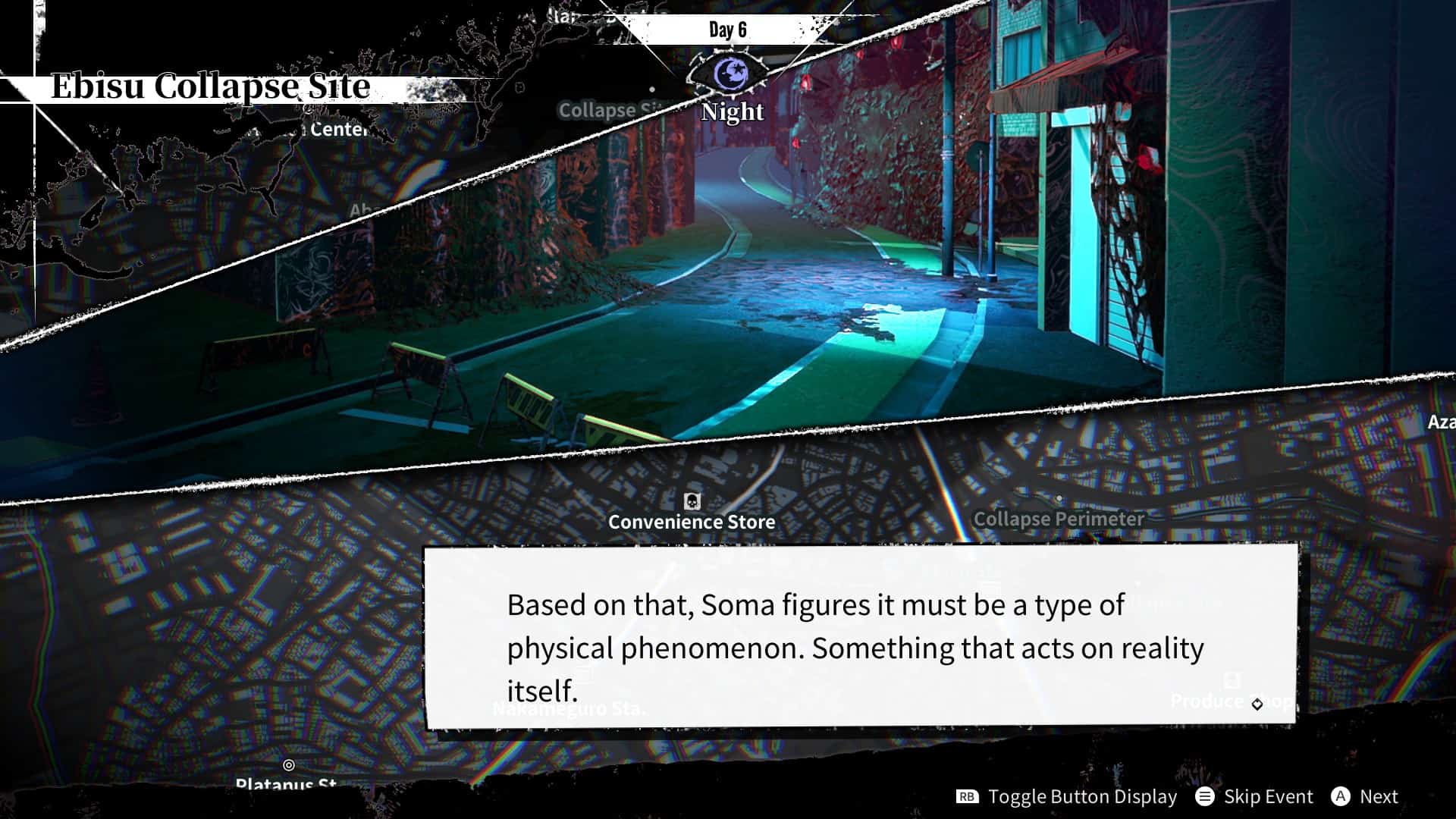
Ultimately, Qliphah in Providence’s Shadow feels like a complete mess. By the game’s final chapter, quests were just outright not appearing on the quest log, the voice actor’s microphones were crackling, and plot points stopped making sense. I saw the one image of the two protagonists driving in the car one too many times. The torn-off clothing showing off thighs and abs looks truly ridiculous. The Bureau in charge of dealing with the disaster apparently has a future-predicting AI that provides info, but Rena says acting on the events it predicts would make the predictions less accurate. Huh? Are you all not always acting on it anyway in some way anyway?
And why is the central villain sort of comically evil? How can someone who can’t speak without dropping crazy hints foiling these experienced detectives? It’s not that I don’t believe people would buy drugs that famously kill you from obviously evil people; it’s just that this doesn’t make for a particularly difficult mystery case to crack. Which is why, though presented as a mystery, each case is more so just a constant stream of dry information. There’s nothing to figure out; it’s all just obvious, piling on until the big bad of the case decides to show up.
There are so many threads to get lost in that I’ve long lost sight of what I came to Qliphah for: its combat system. Underneath all the dirt, there is a nugget of gold that is absolutely worth digging out. If you are searching for something truly fresh and feel you can take all of the above in stride, do not let me stop you. I care not for revisiting the world or characters of Qliphah in Providence’s Shadow, but I still hope to see the combat system reimagined inside future RPGs.
Mateusz reviewed Qliphah in Providence’s Shadow on PC with a provided review code. This review is based on the version of the game available at the time of writing and our score will not be changed.
- Score
- 3/10 POOR - GAMEOBSERVER DOESN'T RECOMMEND
- Summary
-
Mateusz says: What drew me to Qliphah in Providence's Shadow was its unique combat system, and while it has issues here, I came away certain it should return in future RPGs. The less said about the rest of the game, the better.
- More
- GameObserver's Review Policy

 ObserverCrew Picks
 bserver
 bserver