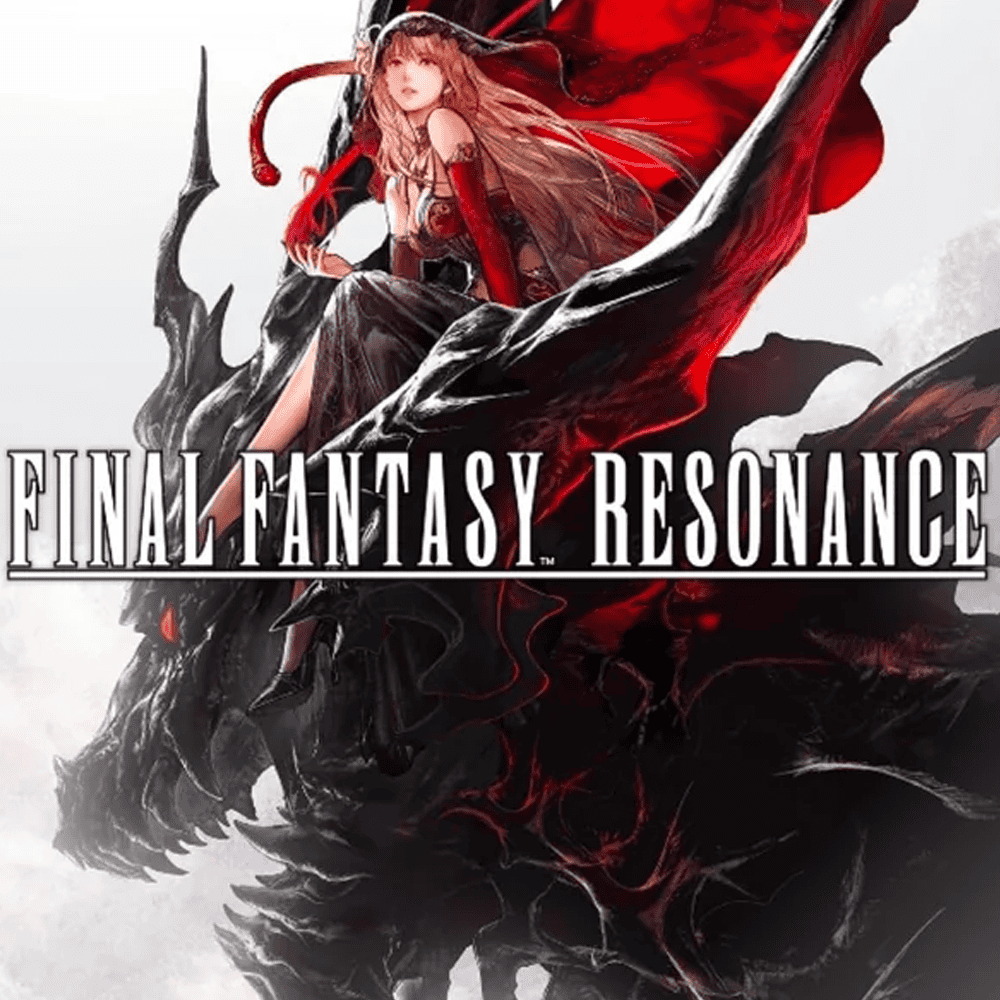
After Octopath Traveler, its new take on 2D pixel visuals has continued to grow, especially in Square Enix‘s portfolio. They went on to make Dragon Quest HD-2D remakes, which we previously reviewed. In that review, I mentioned how I wished this new visual treatment was something the Final Fantasy Pixel Remasters had done. Well, while not a mainline title, Final Fantasy Resonance is still a Final Fantasy game in every way, and it finally introduces the series to this emerging modern 2D art style.
The story of Final Fantasy Resonance, however, is not a new one. Resonance is primarily a new adaptation of the previous mobile game, Final Fantasy Brave Exvius. The mobile game unfortunately didn’t capture the necessary players to keep going, and the game closed its services in 2024. Still, Square Enix recognized the potential the world and characters had. They went for the HD-2D adaptation and gave it a second chance, which was the best decision they could’ve made both for the game and the players.
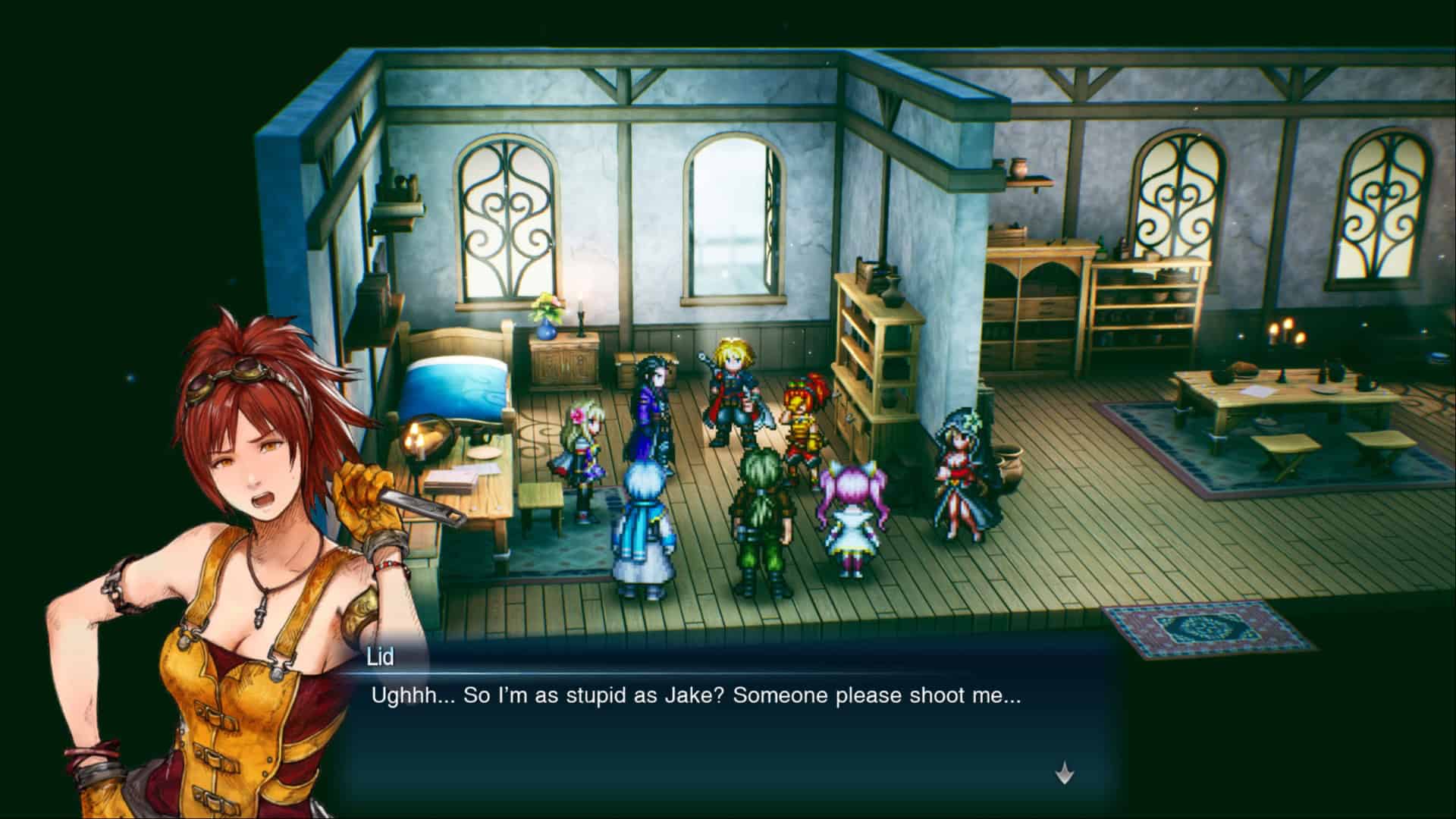
In Final Fantasy Resonance, you take the role of Rain, a Knight of Grandshelt. Alongside his adopted brother, Lasswell, they set out to protect the crystals around the kingdom from the emerging threat of a powerful group called the Sworn Six. The story of Resonance adapts basically just the first arc of Brave Exvius, leaving space for sequels. While the story at times can be a bit too predictable, even if you haven’t played Exvius, the characters are charismatic and dynamic, and it left me wishing for a sequel. Across the journey, more companions join Rain’s team, bringing up the party group element that is so essential in the Final Fantasy series.
That party element is what makes the turn-based combat gameplay feel natural. Yes, turn-based combat is back in Final Fantasy and better than ever. Every party member’s ability and element go hand-in-hand with that character’s personality. They each bring such unique abilities that it will have you experimenting and mix-matching builds for many hours. There is, however, one feature that elevates the turn-based combat like never before in the series: Visions.
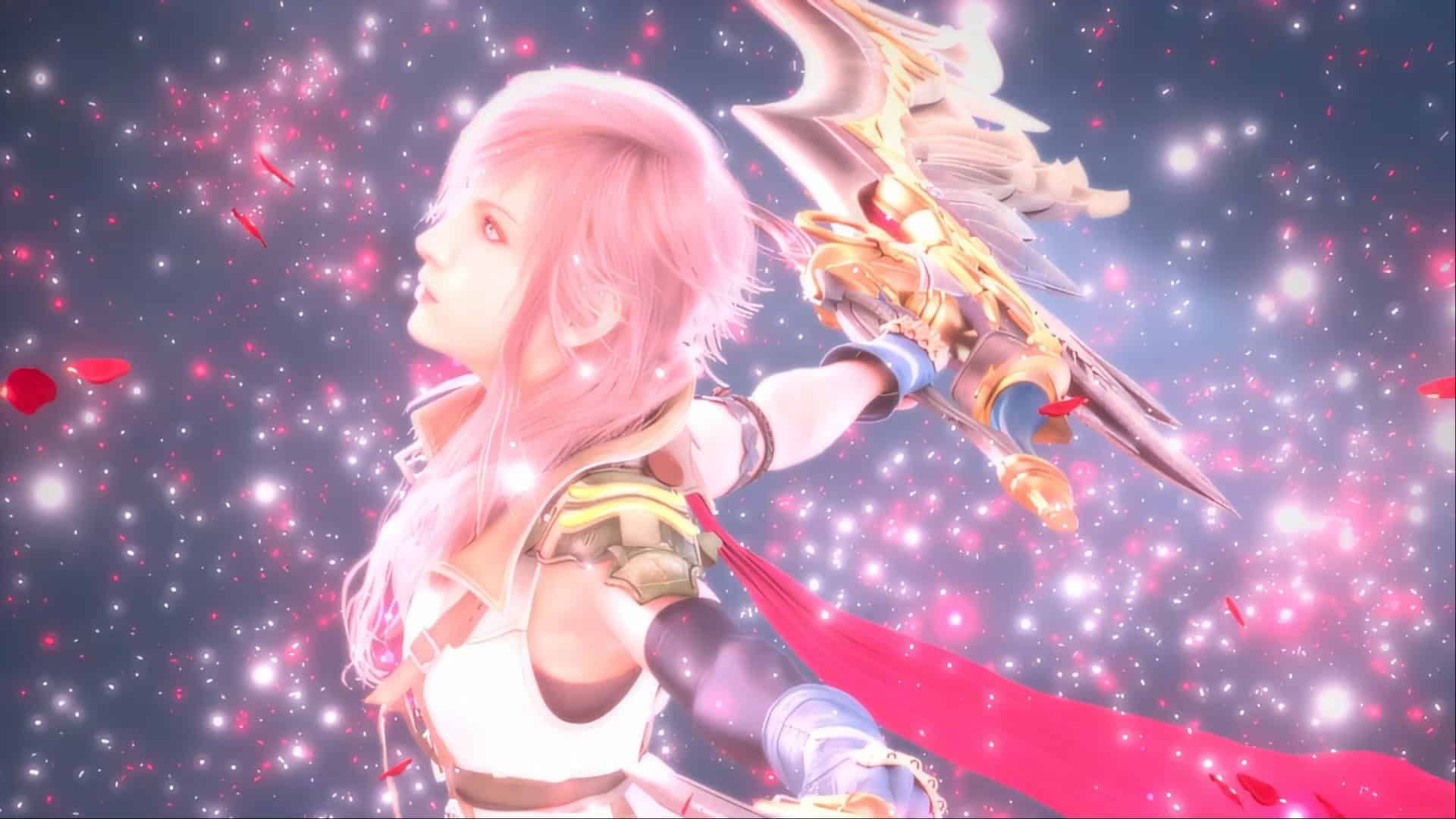
Visions are allies from other worlds that join Rain’s party in battle. The game lets you assign one for each party member, adding even more abilities and attacks to your arsenal. You can also permanently pass some of the Vision’s abilities to party members as their bond grows. What makes Visions more impressive, though, is that these allies are characters from other Final Fantasy games.
You find these Visions while exploring or through side quests, and when you acquire these Visions, a cutscene plays that tells a summary of the character and its lore. This includes scenes from the game and music, adding to that nostalgic vibe the pixel world already brings. These characters receive their own unique pixel look too that fits well with the art style, and honestly, it’s a cool sight to see those iconic characters with you in battle. It wouldn’t be a Final Fantasy game without Summons, though. While Visions kind of work like Summons, there are also Espers, which bring the full summoning features with Ifrit, Bahamut, Odin, etc.
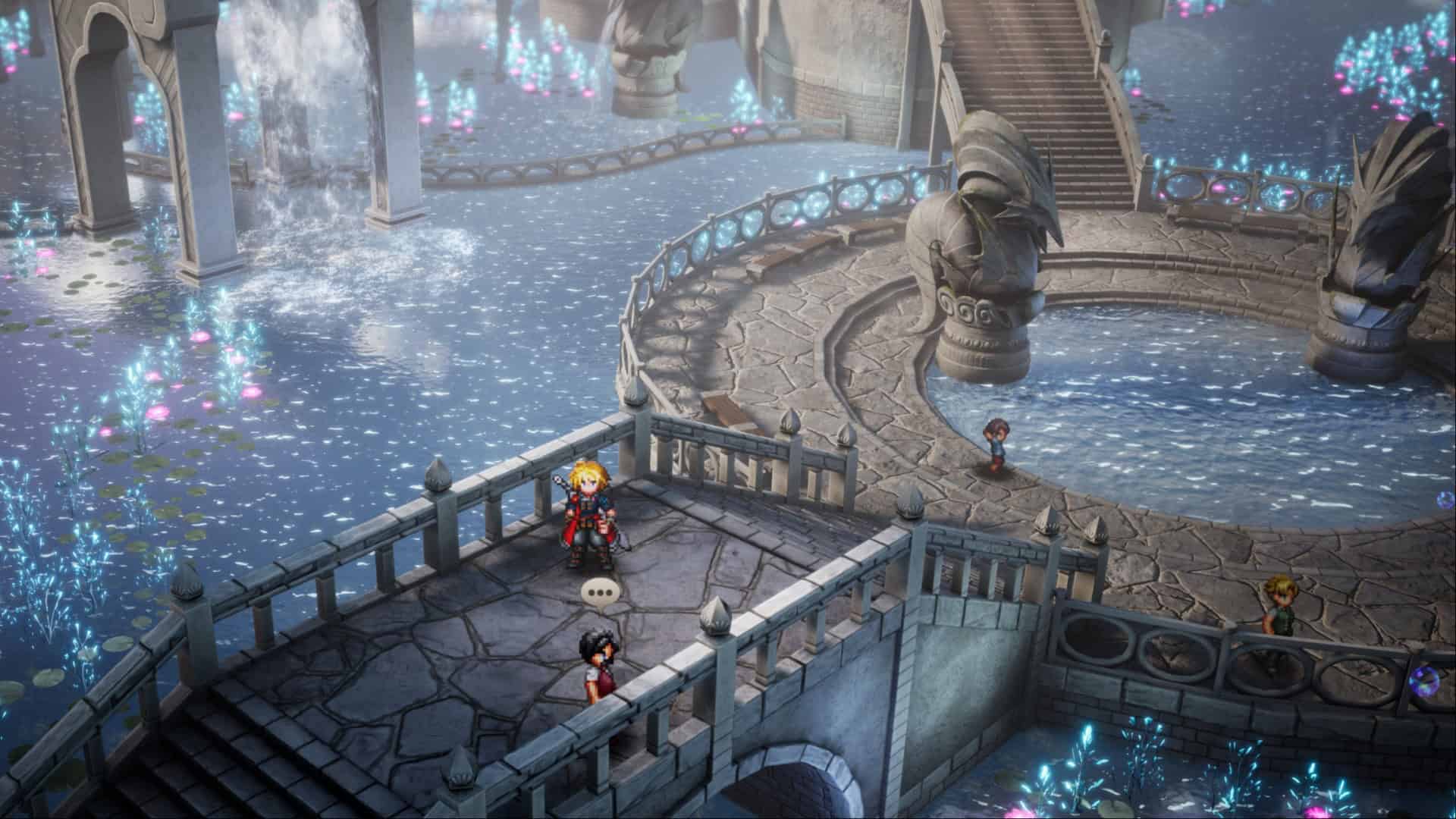
Speaking of the art style, it is clear that Square Enix has taken what they’ve learned from Octopath Traveller and Dragon Quest to create their best HD-2D visuals yet. The world of Resonance is a delight to explore both visually and in its design. Each town and city has its own look and structures, full of secrets and side activities. Side quests are not only well written, but also worth the time since they bring great additions to your arsenal, such as special weapons or the Visions. Dungeons remain an important aspect of the game as well, and while they are not as complex or detailed as the ones in other Final Fantasy titles, they are worth exploring.
Immediately after finishing Resonance, I could feel the magic and uniqueness these pixel titles bring, and I understand why Square Enix has decided to keep experimenting with them. It is a style that only these visuals can achieve and replicate. I can see this blend of pixel and HD-2D visuals growing, and I hope that we get both a sequel to Final Fantasy Resonance and new titles that prove this art style can be as powerful as titles with modern realistic graphics.
Walter reviewed Final Fantasy Resonance on PC with a provided review code. This review is based on the version of the game available at the time of writing, and our score will not be changed.
- Score
- 9/10 OUTSTANDING - GAMEOBSERVER RECOMMENDS
- Summary
-
Walter says: "Final Fantasy Resonance brings back pixel visuals and turn-based mechanics, but with new features, making the game both a nostalgic and fresh Final Fantasy experience."
- More
- GameObserver's Review Policy


 ObserverCrew Picks
 bserver
 bserver